Pakistan’s power play under Asim Munir faces a hard reality check
General Asim Munir’s leadership may boost Pakistan’s regional diplomacy, but without credible domestic reform, it risks appearing compensatory rather than consequential


By Brig Advitya Madan
At a time when Pakistan’s economy is under severe strain, its military leadership appears increasingly focused on projecting geopolitical relevance. General Asim Munir’s recent diplomatic activism signals ambition, but it also exposes a familiar pattern in Pakistan’s strategic behaviour: external posturing amid internal fragility.
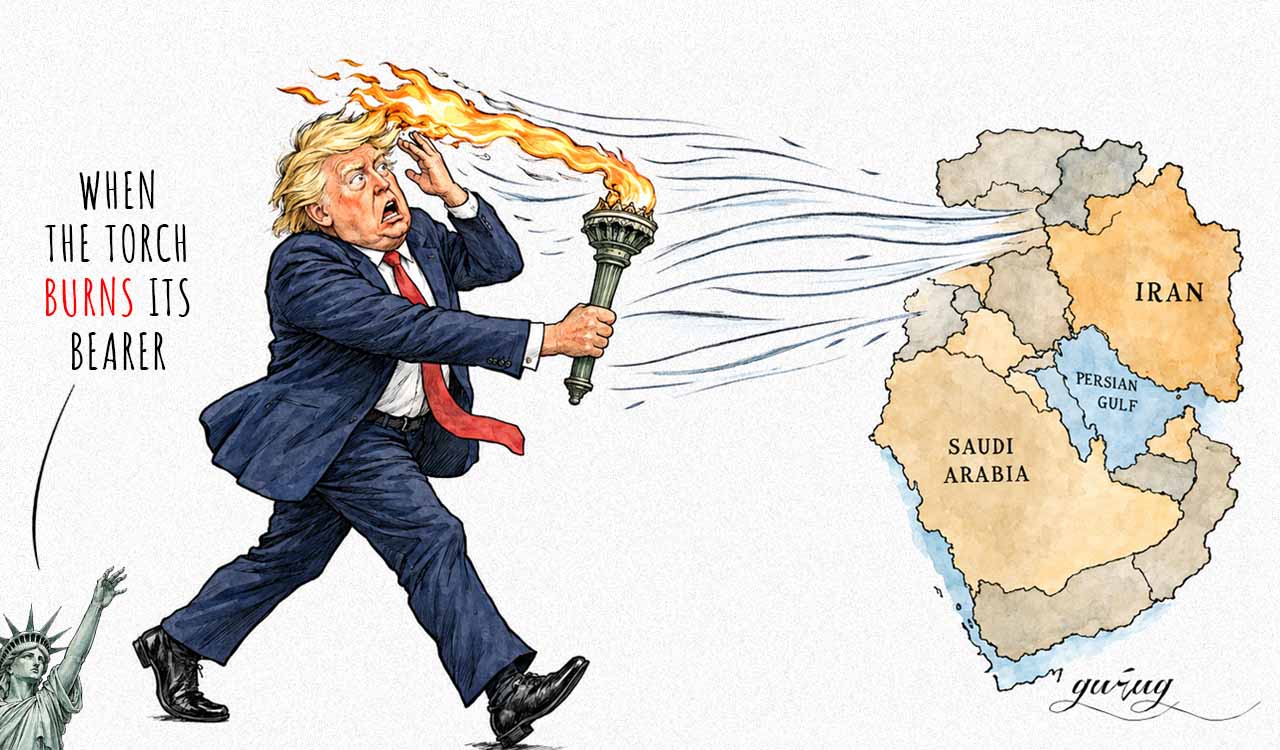
The extension of a truce involving Iran, announced by former United States President Donald Trump on April 21, offered Islamabad a brief diplomatic opening. General Munir’s visit to Tehran soon after hostilities subsided was presented as a proactive engagement. In reality, it reflected Pakistan’s need to stay relevant in a regional crisis that carries direct consequences for its own stability.
Pakistan’s engagement with Iran is driven by compulsion as much as strategy. A prolonged conflict risks refugee inflows, heightens sectarian sensitivities within Pakistan’s Shia population, and further delays the already stalled Iran-Pakistan gas pipeline. At the same time, Islamabad’s defence commitments to Saudi Arabia, including the deployment of approximately 13,000 troops and 18 aircraft, restrict its flexibility.
These competing pressures underline the limits of Pakistan’s strategic autonomy.
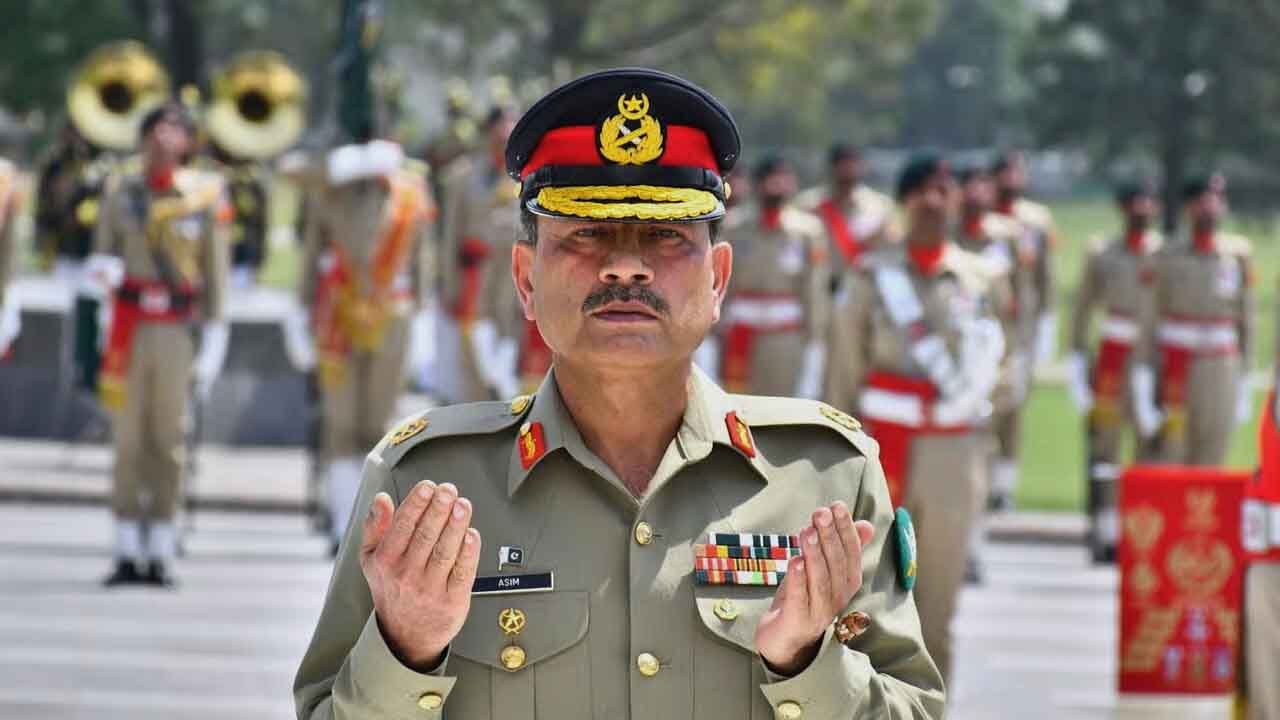
General Munir, appointed Army Chief in 2022, operates within a system where the military remains the central decision-making authority. Civilian leadership under Prime Minister Shehbaz Sharif continues to function, but it does not shape policy in any substantive way. Unlike earlier military leaders who preferred to remain in the background, Munir represents a more visible consolidation of power.
Ambitions and Capabilities
Pakistan has historically sought to leverage geopolitics to amplify its influence. Its role in facilitating United States- China engagement before Richard Nixon’s 1972 visit is often cited as an example. However, the present moment is different. The gap between Pakistan’s ambitions and its capabilities has widened significantly.
The domestic economic picture is stark. Pakistan’s GDP growth stands at 3.7 per cent, inflation at 7.3 per cent, and unemployment at 6.9 per cent. The current account balance is 0.8 per cent of GDP, while the fiscal deficit is 4.4 per cent. Borrowing costs remain elevated, with 10-year government bond yields at 12.4 per cent, and the currency trades at around 279 to the dollar.
A comparison with India highlights the divergence. India’s GDP growth is 7.8 per cent, inflation 3.4 per cent, unemployment 6.6 per cent, and current account balance 1.3 per cent of GDP. Its 10-year bond yields are about 6.9 per cent, with the rupee trading near 93.8 to the dollar. These figures point to structural differences in economic resilience.
For ordinary Pakistanis, these numbers translate into hardship. Petrol prices have risen by around 55 per cent, while gas shortages and power outages remain widespread. Food prices are expected to rise further, intensifying pressure on households.
Politically, the system has become more restrictive. The continued incarceration of former Prime Minister Imran Khan following his removal in 2022 signals limited tolerance for political opposition. This reflects not just leadership style but a broader institutional imbalance.
Externally, Pakistan appears increasingly inclined towards closer alignment with Washington, even at the cost of policy flexibility. In contrast, India has maintained strategic autonomy across global crises, from the Russia-Ukraine conflict to tensions in West Asia, balancing relationships without overdependence.
External Activism
The central question is whether external activism can compensate for internal weakness. Pakistan’s own history suggests it cannot. Diplomatic visibility without economic strength and political stability is unlikely to produce lasting influence.
General Asim Munir’s leadership may enhance Pakistan’s presence in regional diplomacy. However, without credible domestic reform, such efforts risk appearing compensatory rather than consequential.
The consolidation of power may strengthen the individual, but it does little to address the structural challenges confronting the state.
Pakistan’s trajectory under Munir ultimately reflects a deeper imbalance. Strategic ambition continues to outpace domestic capacity. Until that gap narrows, Pakistan’s global role will remain constrained, regardless of how assertively it seeks the spotlight.
(The author commanded 15 Punjab in Lebanon in 2007 and Brigade/Sector in Manipur as DIG in 2013, and was Brigadier Operational Logistics Western Command in 2014)

Related News