Pawan Kalyan backs proposed delimitation reform, calls for wider representation in Parliament
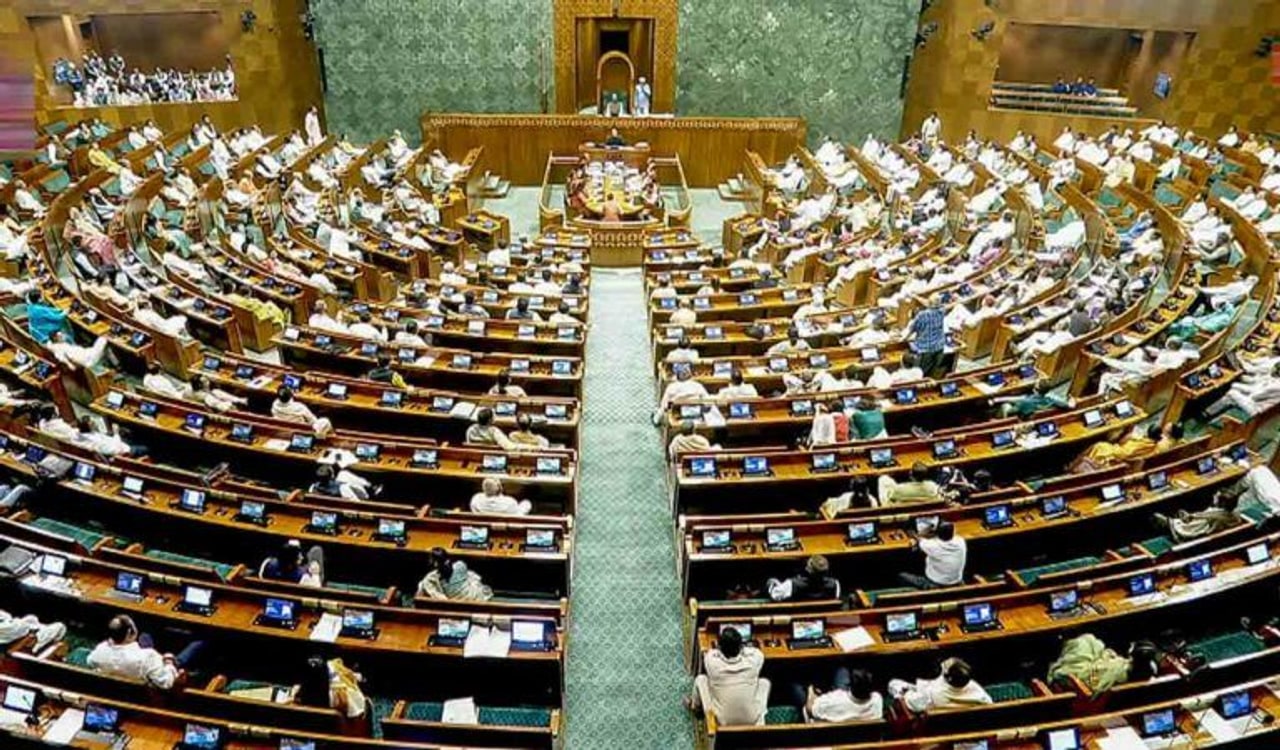
Pawan Kalyan backed the proposed delimitation reform, saying a 50 per cent increase in Lok Sabha seats would expand representation while protecting southern states’ proportional share until 2051.
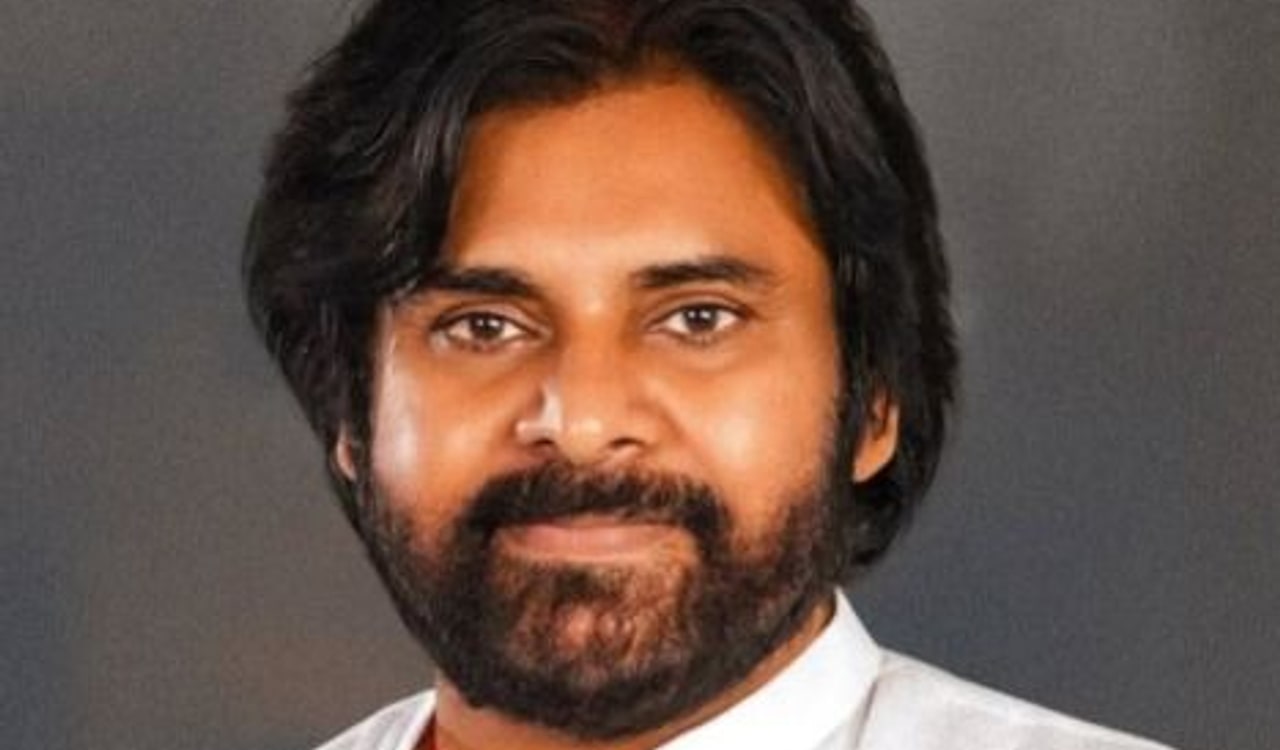


Amaravati: Andhra Pradesh Deputy Chief Minister Pawan Kalyan has expressed support for the proposed delimitation reform, saying it would strengthen democratic representation by ensuring every state and region had an adequate voice in Parliament.
“A stronger democracy is built when every citizen is heard, and every state moves forward with confidence,” Kalyan said in a post on X late on Friday.
“The proposed delimitation reform will strengthen democratic representation by ensuring that every state and region has an adequate voice in Parliament,” he said.
Kalyan said the proposed reform, ahead of the special Parliament session scheduled for November 30, envisaged a 50 per cent increase in Lok Sabha seats across all states while maintaining their existing proportional representation until 2051.
The proposed framework would create more opportunities for representation while protecting the proportional share of southern states, which had made progress in population stabilisation, he said.
According to the Deputy Chief Minister, the proposal reflected the spirit of cooperative federalism by recognising the contributions and progress of different states while ensuring their parliamentary representation was protected.
He also welcomed the proposed 33 per cent reservation for women in the Lok Sabha and state legislative assemblies, saying it would boost their participation in decision-making.
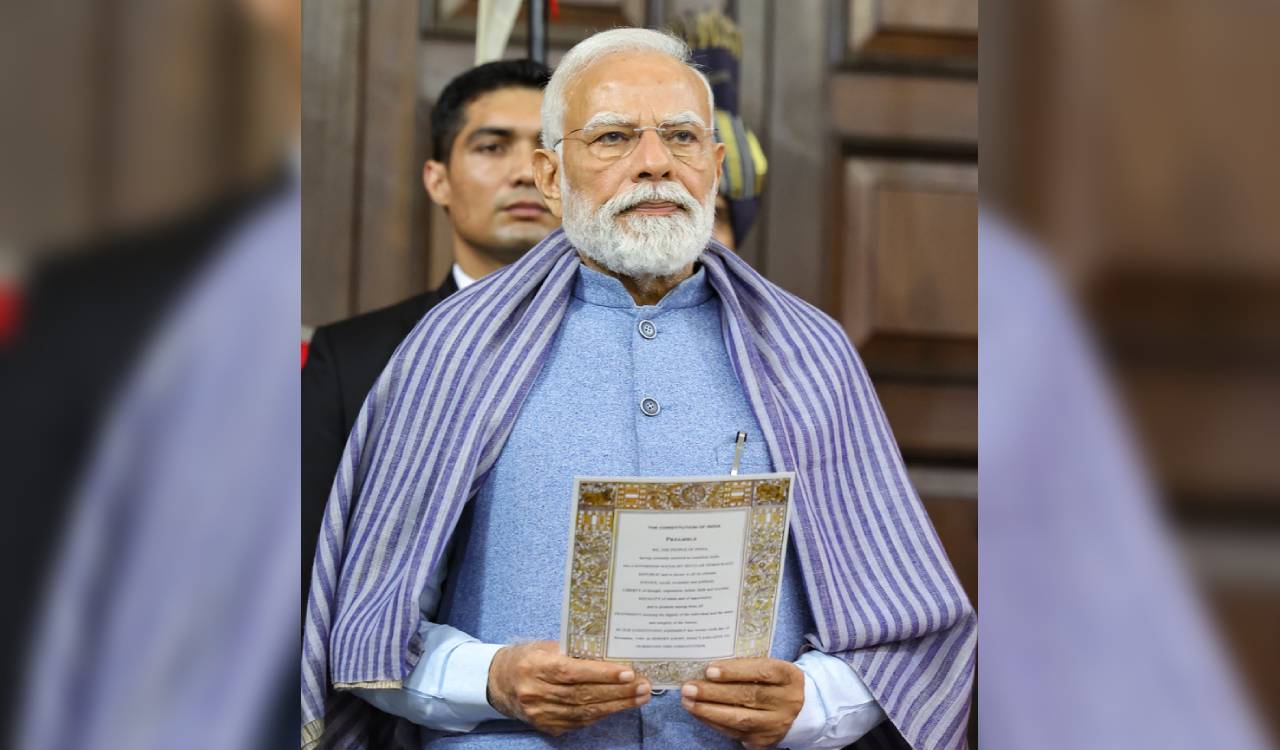
Crediting Prime Minister Narendra Modi, Union Home Minister Amit Shah and Union Parliamentary Affairs Minister Kiren Rijiju for driving inclusive institutional reforms, Kalyan urged all political parties, elected representatives and other stakeholders to set aside political differences and support the initiative in the larger interest of democracy.
He called for a more representative and inclusive Parliament in which every state had a respected voice and all sections of society had opportunities to participate.

Related News