Police action against BRS puts Congress government under scrutiny
Recent police action against BRS leaders, aides and functionaries in Telangana has triggered a political dispute over preventive measures and criminal cases. Courts have intervened in several cases, rejecting remand pleas or directing police to follow statutory procedures before arrest


Hyderabad: A series of police actions against BRS leaders, aides and functionaries has triggered a political dispute over the use of preventive measures and criminal cases against Opposition leaders in Telangana. Several of the recent cases have also seen judicial intervention, including rejection of remand pleas and directions providing protection from arrest.
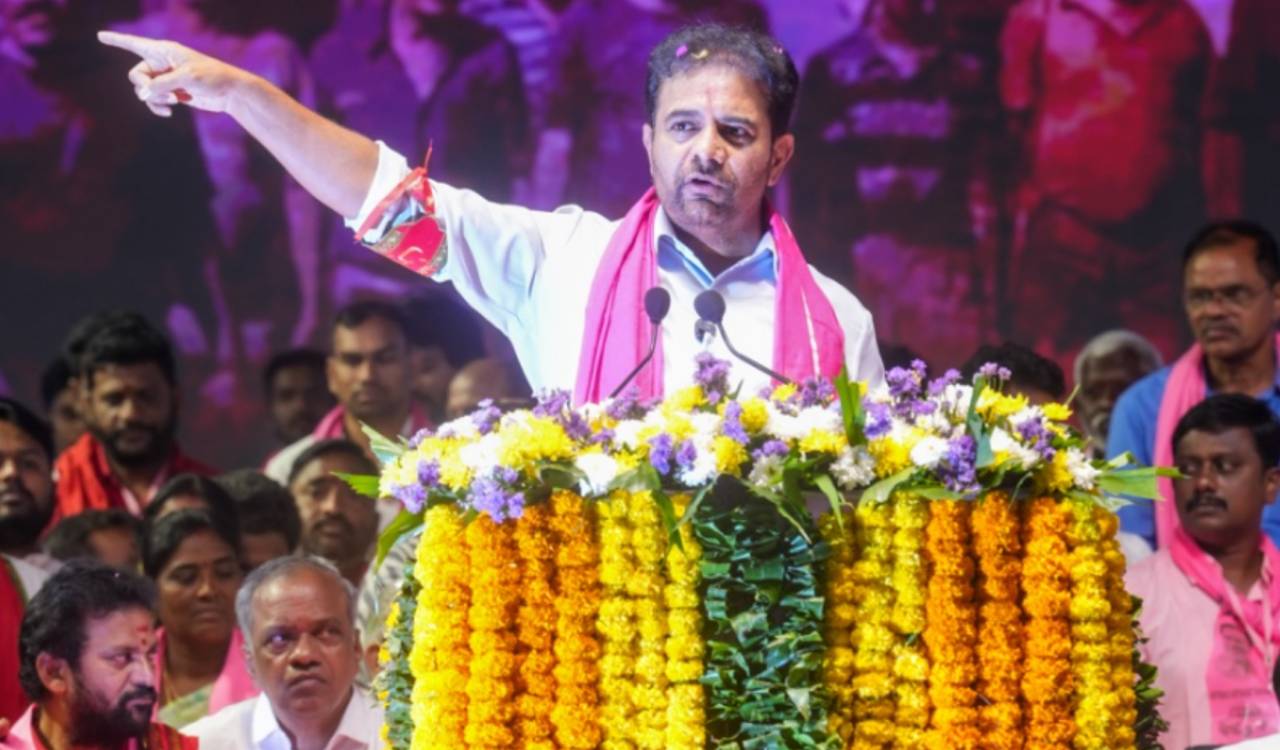
The latest episode involved BRS working president K.T. Rama Rao’s PRO Mahesh Manikya Mudiraj, who appeared before the Saifabad police for questioning in connection with a case related to the September 7 incident at the Assembly gate. While he was at the police station, Bolarum police took him to their station in connection with a separate case alleging obstruction of police duties at a check-post on September 8, when BRS leaders were proceeding towards BRS president and former Chief Minister K. Chandrashekhar Rao’s Erravelli residence.
The Telangana High Court had directed the police to follow the procedure under Section 35(3) of the Bharatiya Nagarik Suraksha Sanhita (BNSS) in the earlier case. Mahesh was later served a notice under Section 35(3) of the BNSS by Bolarum police and released. Police have alleged that he obstructed officials from performing their duties at the Bolarum check-post.
The action against Mahesh came amid another controversy involving BRS social media convener Manne Krishank. The Telangana High Court on Friday directed the police not to arrest Krishank in connection with a case over a social media post and directed them to follow the procedure under Section 35(3) of the BNSS. The court also asked him to cooperate with the investigation.
In another case, the Nampally court rejected the police remand plea of BRS MLCs T. Madhusudhan Reddy alias Tatha Madhu and N. Naveen Kumar Reddy, who had been arrested over alleged derogatory remarks against Assembly Speaker Gaddam Prasad Kumar. The court granted them bail on personal bonds. The case was registered under provisions of the Bharatiya Nyaya Sanhita and the SC/ST (Prevention of Atrocities) Act.
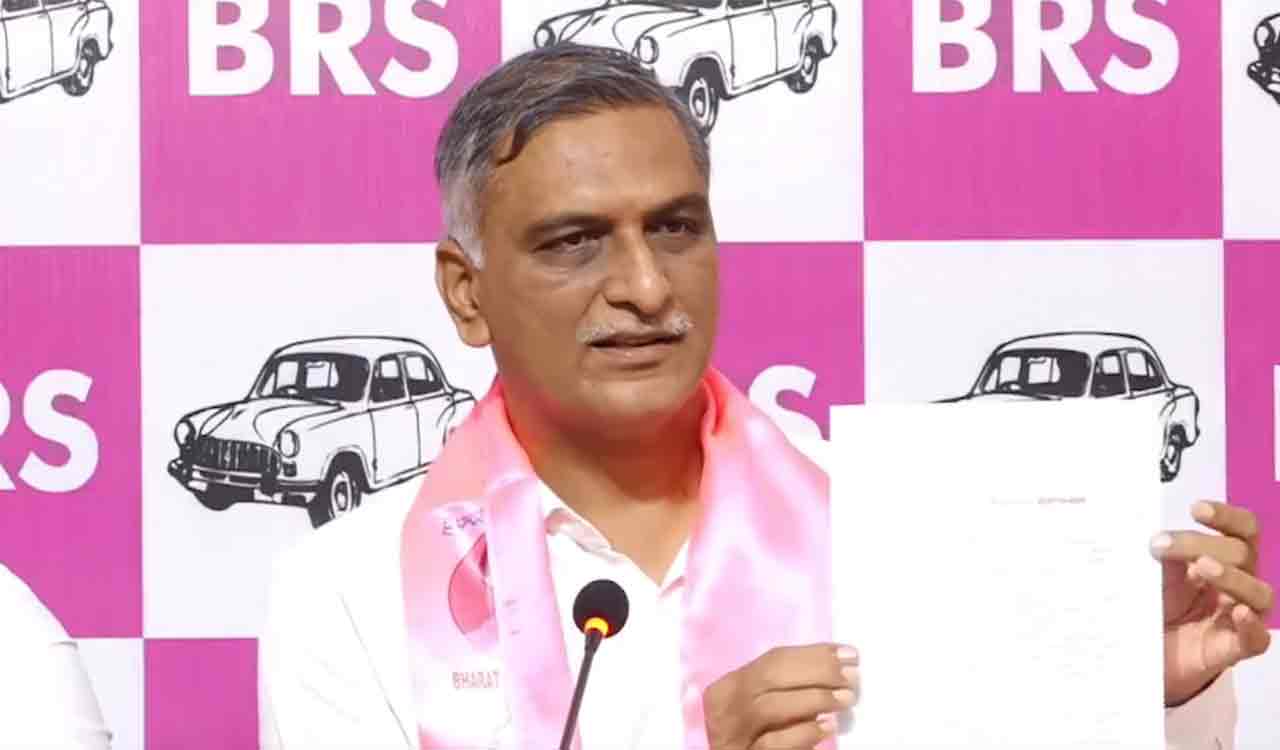
For the BRS, the sequence has reinforced its allegation that the Congress government is using police cases, arrests and preventive action to put pressure on the Opposition. The party has also alleged that such action is extending beyond senior leaders to their aides, PROs and other functionaries.
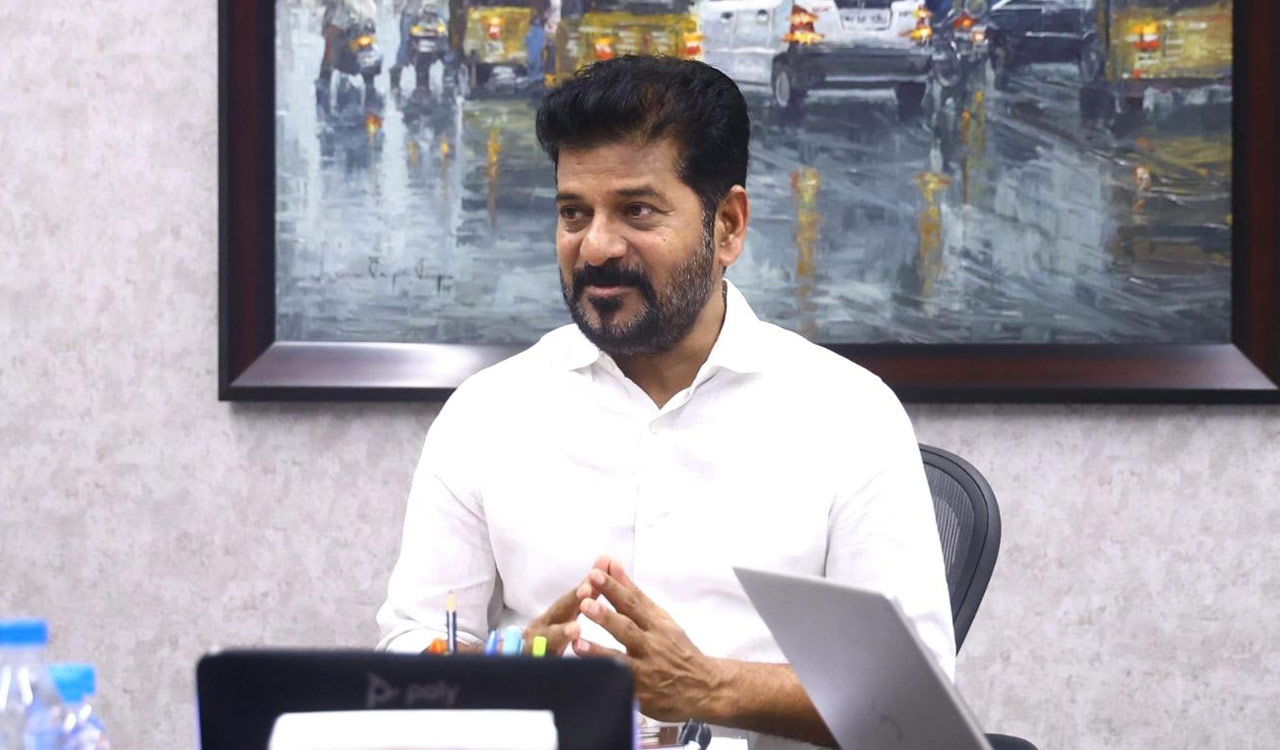
Preventive action against BRS leaders has been reported at various points during 2026. In April, BRS cadres in parts of Adilabad and Nirmal were placed under house arrest ahead of Chief Minister A. Revanth Reddy’s tour. Similar preventive detentions were reported in Kumram Bheem Asifabad in June and Suryapet in August ahead of the Chief Minister’s visits. Police described the measures as preventive.
In August, BRS leaders T. Harish Rao, P. Sabitha Indra Reddy and Talasani Srinivas Yadav were placed under house arrest ahead of their proposed visit to the TIMS Hospital at Sanathnagar. Police said the action was precautionary and intended to prevent any untoward incident.
The pattern became particularly visible during the September 7-8 Assembly session. BRS legislators, including K.T. Rama Rao and Harish Rao, were arrested after a confrontation with police at the Assembly gate. Police subsequently registered multiple cases and took preventive measures against BRS leaders amid protests and tensions surrounding the session.
On September 8, police also prevented KTR, Harish Rao and other BRS leaders from proceeding towards K. Chandrashekhar Rao’s Erravelli residence. Police detained the leaders, while the BRS alleged that Congress workers were being allowed to proceed towards the same area.
Police have generally cited law-and-order concerns and the need to prevent untoward incidents while carrying out preventive measures. The BRS, however, has alleged that the actions amount to an attempt to restrict Opposition activity and dissent. Recent court interventions — including rejection of remand pleas and directions to follow statutory procedures before arrest — have added a legal dimension to the continuing political dispute.

Related News
-

Godavari-Cauvery link a death warrant for Telangana’s water rights: Harish Rao
-
Expert questions CM Revanth’s claims on Yadadri thermal power project
-
KTR blames Congress for drought, questions use of irrigation pumps
-
KTR accuses Congress of creating drought despite Telangana’s irrigation infrastructure