Potential therapeutic target identified for ovarian cancer
Others have found that DOT1L is overexpressed in several cancer types, and recent clinical work has shown synergistic ant proliferative activity for a DOT1L inhibitor against MLL-rearranged leukaemia.
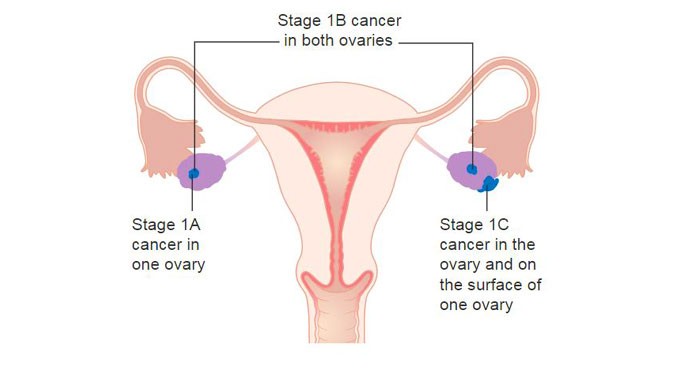


Alabama: The findings of a new study done by the University of Alabama at Birmingham researchers reveal that a gene called DOT1L appears to play a role in the progression and severity of ovarian cancer. It also found that inhibitors of the DOT1L enzyme may offer a new therapeutic approach for the disease.
These findings were published in the journal Oncogenesis. The need is clear despite decades of work to develop new treatment modalities; the five-year survival of patients with advanced ovarian cancer is between 10 and 30 per cent.
Others have found that DOT1L is overexpressed in several cancer types, and recent clinical work has shown synergistic antiproliferative activity for a DOT1L inhibitor against MLL-rearranged leukaemia.
The UAB researchers, led by Romi Gupta, PhD, assistant professor of biochemistry and molecular genetics, now show that DOT1L promotes ovarian cancer tumour growth by stimulating pro-tumorigenic metabolic pathways and blocking the programmed cell death called apoptosis.
Gupta and colleagues first looked at data sets from patients. They found that DOT1L expression was significantly higher in tissues from ovarian cancer patients compared with tissues from healthy patients. Furthermore, patients with ovarian tumours that had high DOT1L expression showed shorter progression-free survival and shorter overall survival rates compared with patients whose ovarian tumors had lower DOT1L expression.
DOT1L is a histone methyltransferase that epigenetically methylates the histone H3 lysine 79 in chromatin, and this alters gene expression in cells. The UAB researchers found that EPZ-5676 — a DOT1L inhibitor that has been used in several clinical trials to treat MLL-rearranged leukaemia — was able to block the growth of ovarian cancer cells in culture. EPZ-5676 also significantly blocked subcutaneous ovarian cancer tumour growth in a mouse xenograft model.
Mechanistically, DOT1L inhibition downregulated the expression of various genes that are required for biosynthetic pathways and reduced the levels of essential biosynthetic metabolites in ovarian cancer cells. DOT1L inhibition also upregulated genes involved in programmed cell death, which increased apoptotic cell death for ovarian cancer cells in culture. The pharmacologic inhibition of DOT1L also upregulated the expression of ligands for natural killer cells in some of the ovarian cancer cell lines tested.
These gene expression changes seen in DOT1L inhibitor-treated cells thus suggest that DOT1L overexpression in ovarian cancer leads to plentiful supplies of the metabolites needed for rapid tumour growth and also protects against tumour cell death caused by apoptosis or natural killer cell attack.
“Our results suggest that DOT1L might be a pharmacologically tractable drug target for ovarian cancer therapy,” Gupta said. “It will also be useful in combination with other immunotherapeutic agents to further enhance their effectiveness in treating ovarian cancer.”
Co-authors with Gupta for the study, “Disruptor of telomeric silencing 1-like promotes ovarian cancer tumour growth by stimulating pro-tumorigenic metabolic pathways and blocking apoptosis,” are Suresh Chava, Suresh Bugide and Yvonne J.K. Edwards, UAB Department of Biochemistry and Molecular Genetics.

Related News