Public policy expert urges Telangana Governor to return CURE Bill for legislative reconsideration
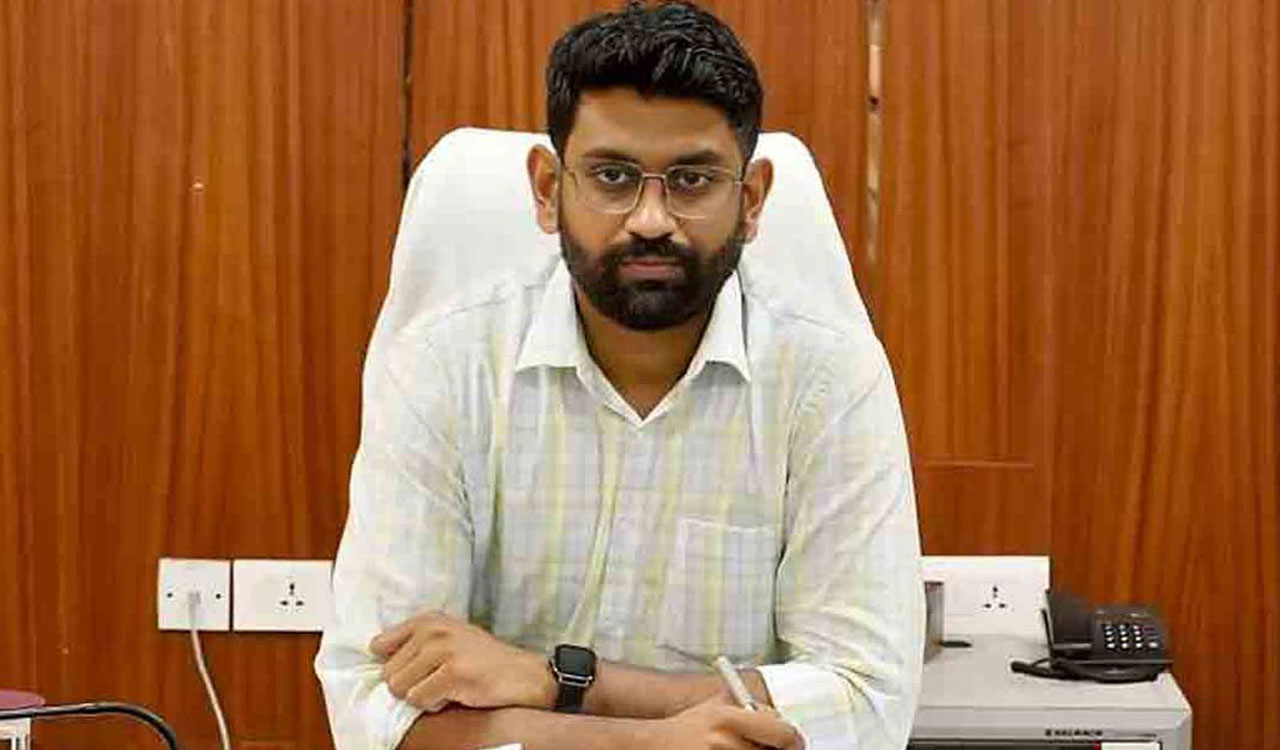
Public policy expert Donthi Narasimha Reddy has urged Telangana Governor Shiv Pratap Shukla to return the CURE Bill, 2026, for legislative reconsideration. He flagged concerns over property tax, ward committees, executive powers and the proposed governance architecture


Hyderabad: Hyderabad-based public policy expert Donthi Narasimha Reddy on Wednesday urged Telangana Governor Shiv Pratap Shukla to return the ‘Core Urban Region (Integrated Governance) CURE Bill, 2026’ for legislative reconsideration.
Narasimha Reddy on Wednesday emailed a representation to the Governor highlighting the property tax and other issues and released a copy to the media too.
He said the Legislative Assembly had passed the CURE Bill on September 12, with a limited floor amendment reducing the annual property tax transition cap from 20 per cent to 10 per cent.
“I understood that the CURE Bill is before you and is shortly to be presented for assent under Article 200 of the Constitution. I have submitted this representation before that assent is accorded, since the opportunity it addresses does not survive assent,” he said.
“My objection to the Bill is that it does not explain why the existing framework of corporations, HMDA, HMWSSB and HYDRAA is inadequate, why the proposed architecture is appropriate, or why authorities should have unlimited territorial reach.”
Narasimha Reddy also said that the concerns include the diminution of ‘Ward Committees’ statutory rights and supervisory functions compared with Section 8-A of the GHMC Act, 1955. At least eight sections — 241, 244, 255, 256, 259, 260, 264 and 272 — also leave the composition, powers and functions of newly created bodies entirely to executive notification, without minimum standards in the Act.
Section 80 empowers the Commissioner to alter assessment units, including entirely on his own motion, without requiring notice, written reasons, or published criteria. Annexure II details these defects through worked illustrations. Part III (10) cites GHMC, CMC, and MMC published assessment figures for 2024-25 and 2025-26 to demonstrate the practical scale of the provisions in a revenue-critical chapter of the Bill, according to the Public Policy Expert.
In the representation, Donthi Narasihma Reddy also clearly mentioned a table regarding the differences between the GHMC Act, 1955 and the CURE Bill, in detail.

Related News