Red roses symbolise Valentine’s love, but vulnerable to climate change: Report
Nearly 60 per cent of all exported roses come from five countries in the global south which face growing dangers from extreme weather.



New Delhi: The traditional gift of roses that lovers exchange on Valentine’s Day may be under threat, according to a new report from Christian Aid which shows how climate change is impacting rose-growing in the UK and around the world.
Nearly 60 per cent of all exported roses come from five countries in the global south which face growing dangers from extreme weather. Three in East Africa — Kenya (19.1 per cent), Ethiopia (5.1 per cent) and Uganda (1 per cent); and two in South America — Ecuador (21.2 per cent) and Colombia (12.4 per cent).
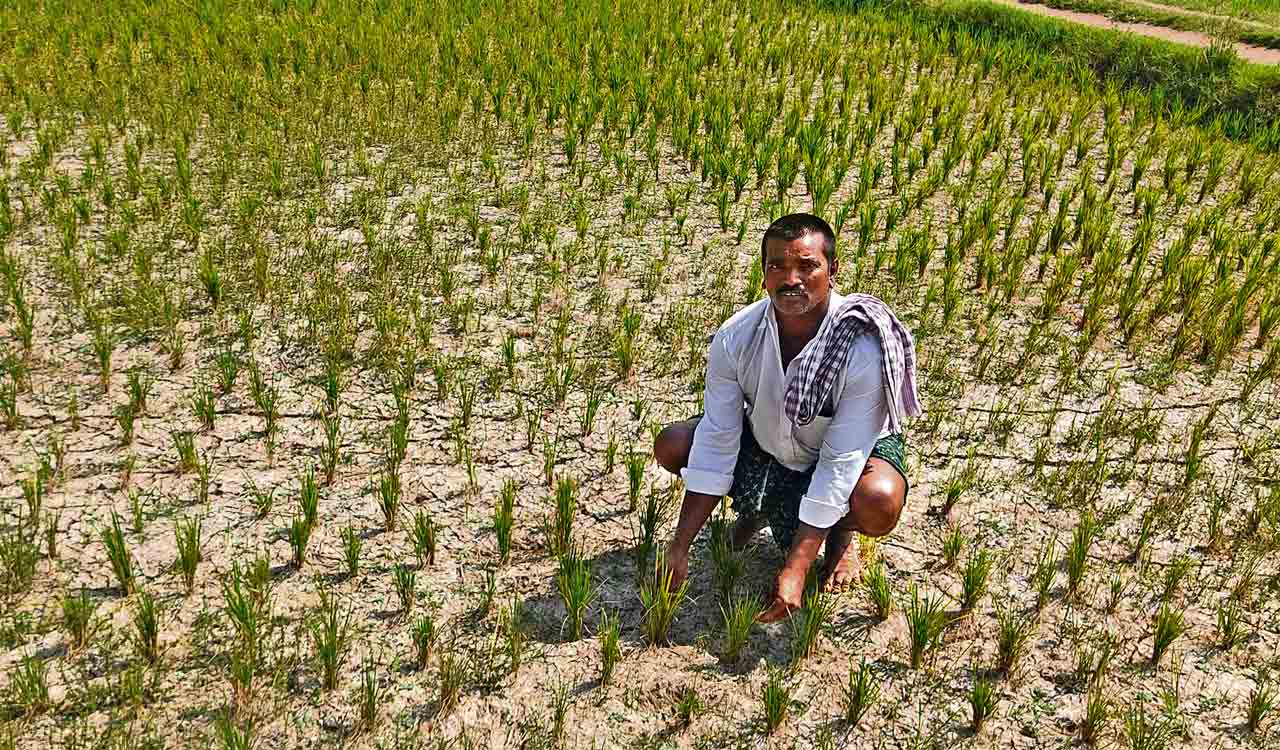
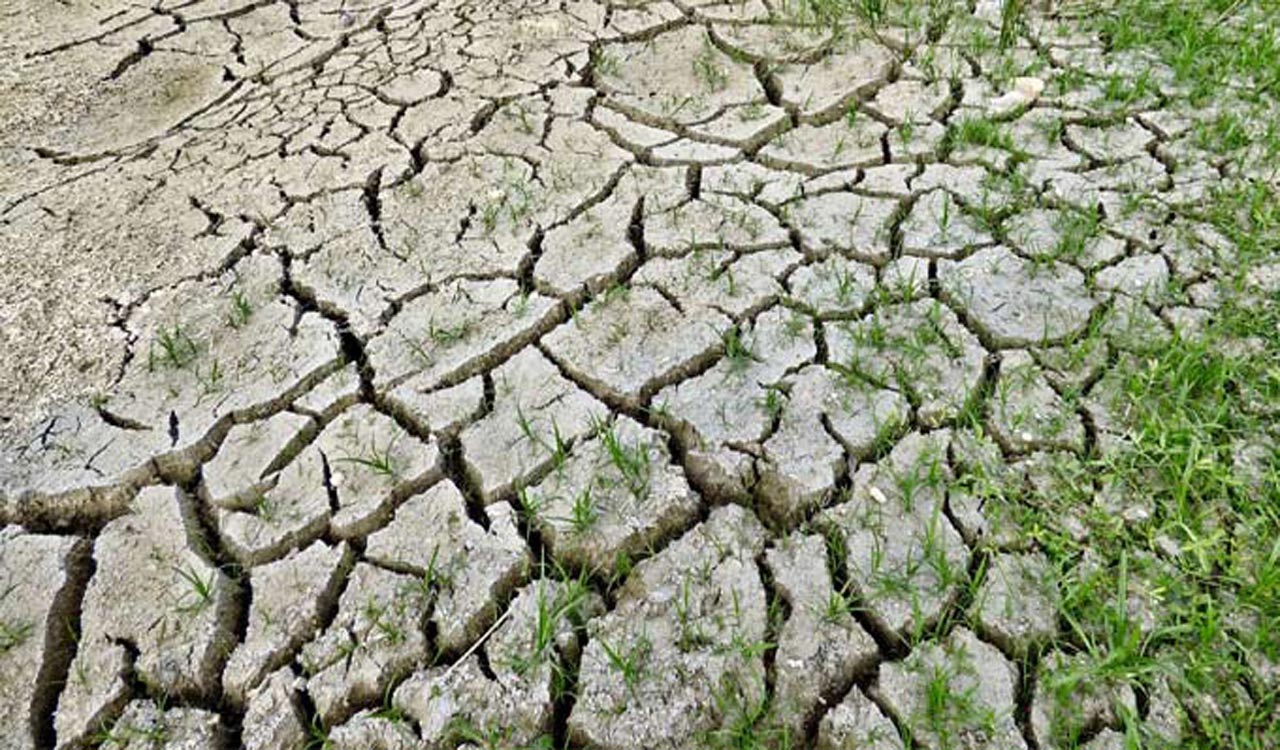
The report highlights that East Africa already faces erratic temperatures and extended droughts, and extreme temperatures are expected to get both hotter and more frequent — something that could make rose growing highly challenging.
Roses also need plenty of water. The report cites a study which showed that droughts in the area between 2020 and 2022 were found to have been more than 100 times more likely and more severe because of climate change.
Similar climactic dangers threaten the rose-growing regions of South America. In Ecuador and Colombia, roses tend to be grown in high-altitude Paramo ecosystems, with cooler temperatures and good rainfall.
As the climate changes, temperature increases are expected to be highest in the Andean regions, including the Paramo, and extreme temperatures (number of days above 35 degrees Celsius) are projected to rise significantly.
Glacier retreat is also a major issue in the tropical Andes, with at least 30 per cent of their area lost between 1990 and 2020. This risks water scarcity which poses a major threat to a water-intensive industry, like rose growing.
The English Rose is under threat too.
The British love of roses is well known and the UK is the fourth largest importer of roses in the world. However, climate change also poses a threat to those grown at home.
On average, rose plants in the UK now start to flower about a month earlier than would have been seen as recently as the mid-1980s, due to increased average temperatures across January to April.
Increased rainfall is also a problem because of fungal diseases such as rose black spot and powdery mildew which thrive in warmer, wetter springs. Many popular varieties of rose have disappeared because of black spot disease.
David Austin’s award-winning Shropshire Lad is already being withdrawn from sale, as they lack resilience to pests, such as aphids, and diseases which are evolving with the changing climate conditions.
The report warns that without government action to cut emissions and provide financial support to rose growers and others having to adapt to the climate crisis, millions of livelihoods will be at risk.
Horticulturists, florists and climate experts have expressed concerns about the findings in the report.
Charles Shi, Botanical Horticulturist at Kew Gardens, said: “Climate change has significant impacts on rose cultivation around the world. The effects of rising temperatures, changing precipitation patterns, and increased pest and disease pressure can lead to heat stress, reduced flower quality, disrupted flowering seasons, and damage to rose plants.
“Here at the Royal Botanic Gardens, Kew, horticulturists and scientists are working to collect and analyse scents from species roses. This research project will allow us to examine pollinator types associated with these species, and map the change in pollinator populations from different habitats, associated with varying wild rose numbers.
“Research such as this, along with directly addressing climate change where possible, can play a part in preserving suitable regions for rose cultivation, protecting biodiversity and pollinators, promoting sustainable practices in rose production, and safeguarding the economic benefits associated with the industry.”
Osai Ojigho, Director of Policy and Public Campaigns at Christian Aid, said: “Roses are a special part of the Valentine’s Day tradition but with many of them grown in parts of the world vulnerable to climate change, their future is far from rosy. These blooms bring joy, and are a vital income for growers in the global south, yet these livelihoods are endangered by the rising carbon emissions and the seemingly endless pursuit of fossil fuels from rich nations like the UK.
“We need to see far more urgent action from governments to invest in renewables and also commit the needed climate finance to help farmers adapt to a climate crisis they did almost nothing to cause.”
Patrick Mbugua, General Manager, Wildfire Flowers, Kenya said: “I am very concerned about the impact of climate change on rose growing in Kenya. We’ve seen increased disease pressure due to unusual weather patterns, sometimes we have excessive hot weather which sees a jump in the number of pests, and other times unusually low temperatures which increases fungal infections, reducing yields.
“Another example is availability of water for irrigation. While this has not yet affected us since our source of water from Lake Naivasha has been very stable the last 10 years, it is a concern that with climate change such a source could be threatened.
“It is paramount for governments to have clear policy regarding reducing emissions and developing other interventions that can help with climate change. Governments must especially safeguard local economies and social wellbeing from the impacts of emissions.”
Mohamed Adow, Director of Nairobi-based climate and energy think tank, Power Shift Africa, said: “Roses are a major part of the Kenyan economy, with more than half a million people relying on them for their livelihoods. The erratic climate, the extreme temperatures and drought that harm rose cultivation, is what scientists have been warning about for years. The inaction of political leaders to reduce carbon emissions has put an important industry in jeopardy.”

Related News