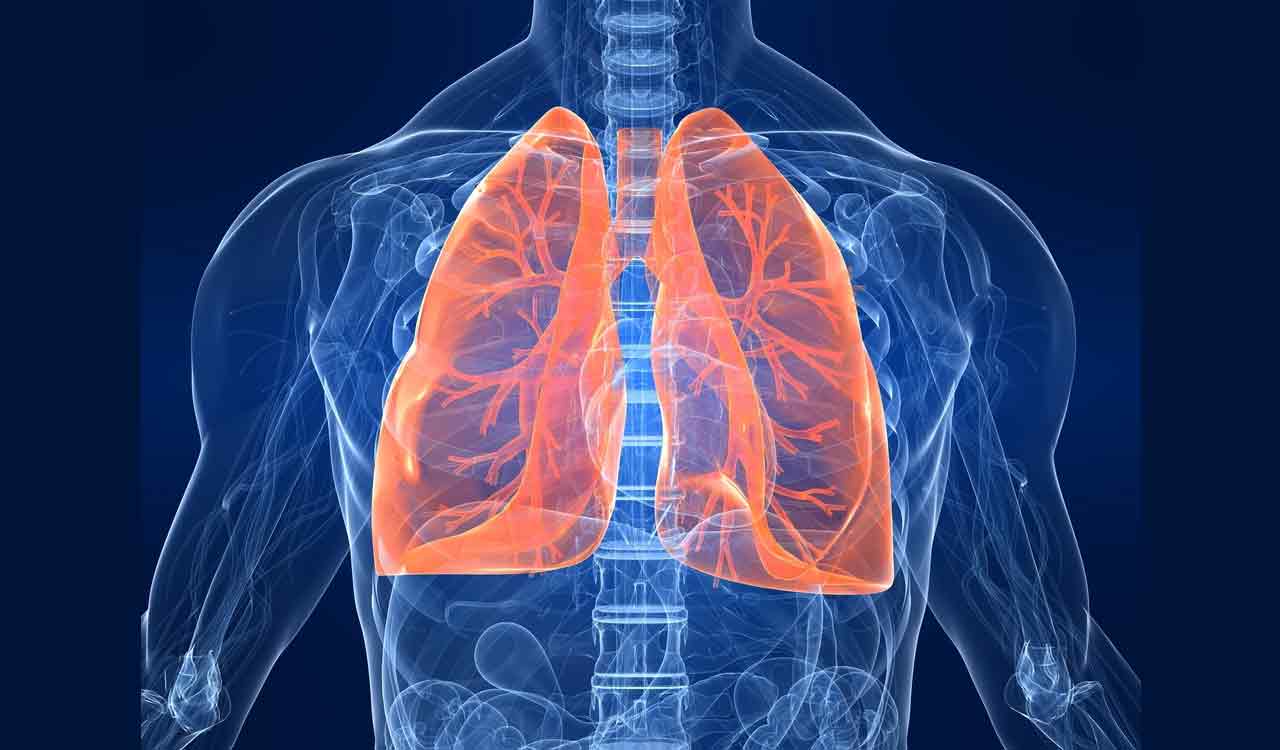
Rise of lung cancer among non-smoking women in Telangana and Andhra Pradesh raises health concern
Public health experts report a worrying rise in lung cancer cases among non-smokers, especially women, across southern India. Studies point to environmental pollution, household exposure and genetic susceptibility as key drivers, with Hyderabad recording one of the highest incidence rates.
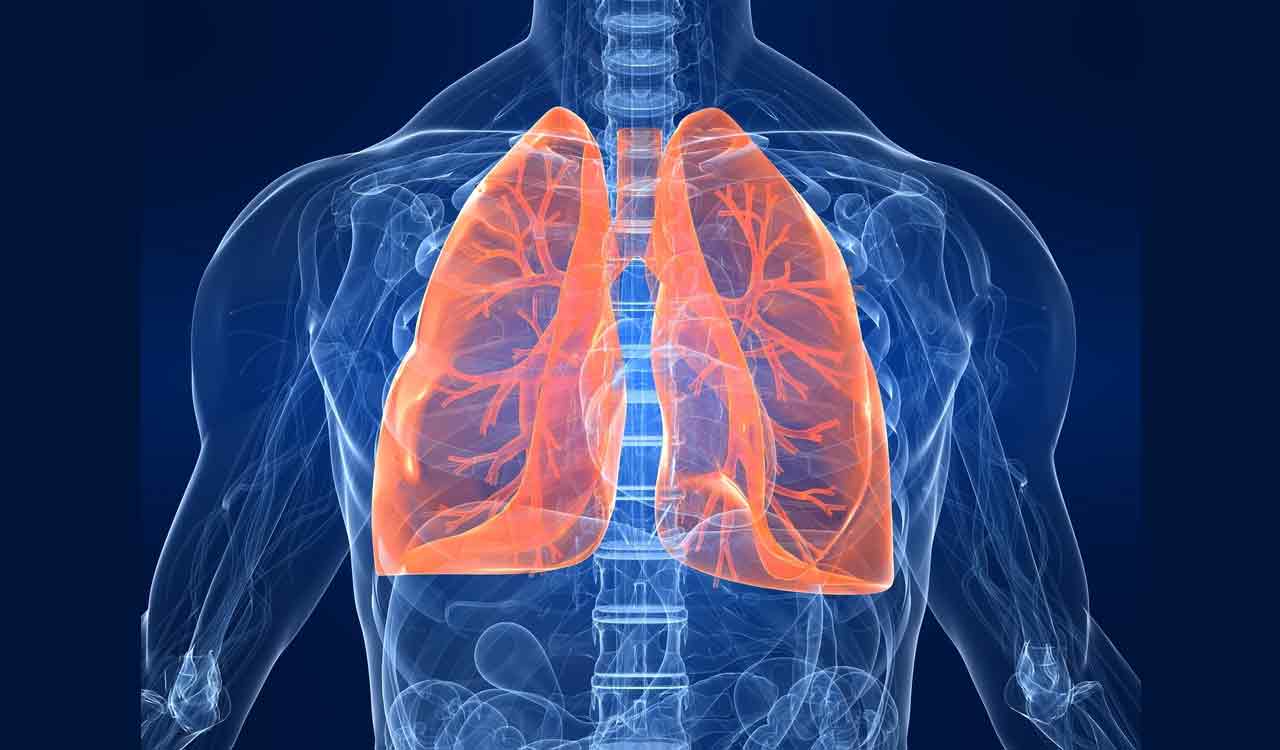


Hyderabad: While the association of smoking with lung cancer is synonymous, in the last few years, public health specialists have started witnessing a worrying new subset of lung cancer patients, who have never smoked a tobacco product in their lives. Quite shockingly, a majority of such new patients are women.
The trend of witnessing lung cancer among non-smokers, is not just curtailed to Telangana or Andhra Pradesh. Such a troubling epidemiological shift is unfolding across all the South Indian States, cancer registries reveal.
According to the Telangana Cancer Burden Profile developed by ICMR-National Centre for Disease Informatics and Research (NCDIR), which was released last money, the state faces a steep upward trajectory with over 46,700 new adult cancer cases recorded annually, with women bearing a disproportionate share of the baseline burden. Hyderabad alone records an Age-Standardized Incidence Rate (ASIR) of 6.8 per 1, 00,000 women for lung cancer, ranking among the highest for women across major Indian metros.
Given that tobacco prevalence among women in Southern India remains under 10 percent, the rise in lung cancer among women is quite worrying, senior doctors here said.
The NCDIR cancer data indicates that while tobacco accounts for 58.8 percent of adult male cancers in states like Telangana, it accounts for only 29.7 percent of female cancers, leaving 70.3 percent of female malignancies in the region completely not linked to tobacco, with lung cancer increasingly claiming an alarming share of these non-smoking numbers.
Apart from the cancer registry data, another landmark genomic study conducted on patient tissue samples at the Basavatarakam Indo-American Cancer Hospital and Research Institute in Hyderabad has also identified a distinct genetic susceptibility unique to the population of Telangana and Andhra Pradesh.
Researchers mapped a high prevalence of genetic variations in genes among local populations. The specific genetic variations are severely impairing the body’s natural ability to detoxify environmental pollutants and domestic biomass smoke, rendering non-smokers in both the Telugu states highly vulnerable to cellular DNA damage.
What is Driving the Surge Among Women?
Multiple studies and observations by senior pulmonologists point to a combination of environmental toxins, domestic exposures, and even genetic factors for the rise of lung cancer among non-smokers, especially women.
Some of the reasons forwarded to explain the rise of cancer cases include household air pollution, especially from Indian kitchens and exposure to ambient air pollution (PM 2.5) due to rapid urbanization in metro cities.
Fine particulate matter from vehicular emissions, construction dust, and industrial exhaust acts as a severe, chronic carcinogen. Because these micro-particles penetrate deep into the alveolar sacs of the lungs, prolonged exposure triggers cellular mutations.
Pulmonologists note that even lifelong non-smokers living in highly polluted urban corridors regularly present with lungs showing heavy, black carbon deposits, studies indicated.
Some important points:
- Lung cancer cases among lifelong non-smokers are steadily rising in urban centers.
- Women comprise a growing majority of new non-smoker patient subset.
- Hyderabad records a high Age-Standardized Incidence Rate (ASIR) of 6.8 per 100,000 women for lung cancer
- Majority non-smokers have Adenocarcinoma, which develops in the peripheral lung tissues.
- High percentage of non-smoking women with having cancer have oncogenic gene mutations
- Exposure to PM 2.5 due to rapid urbanization, vehicular emissions, construction dust, and industrial exhaust

Related News
-

EBUS technique is ideal to detect lung cancers and TB, lung specialists
-
Cases of lung cancer in non-smokers increase, air pollution could be reason: Lancet study
-
Passive smoking poses severe risks to children’s health, experts warn
-
Lung cancer most likely to spread to brain, creating secondary cancer: Experts