SC declares menstrual health part of right to life, orders free pads in schools
The Supreme Court ruled that the right to menstrual health is part of the right to life. It directed all states and UTs to provide free oxo-biodegradable sanitary napkins and functional gender-segregated toilets in all schools
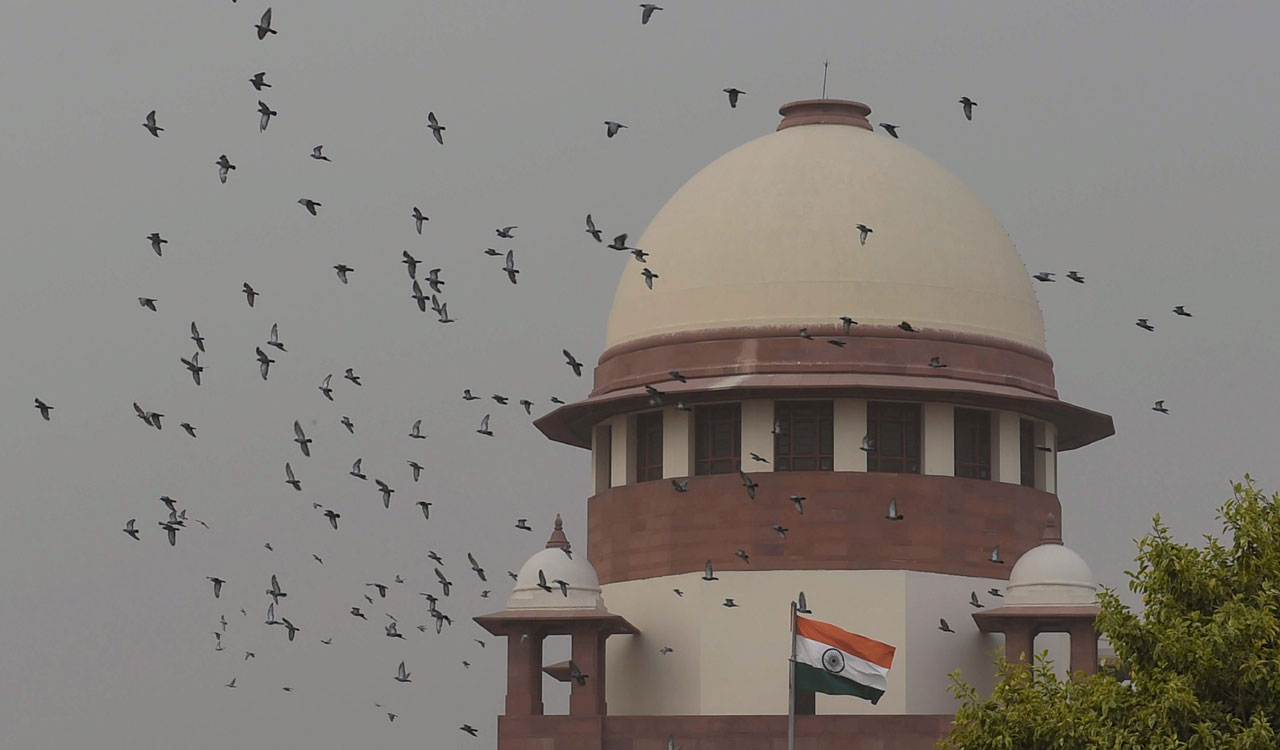


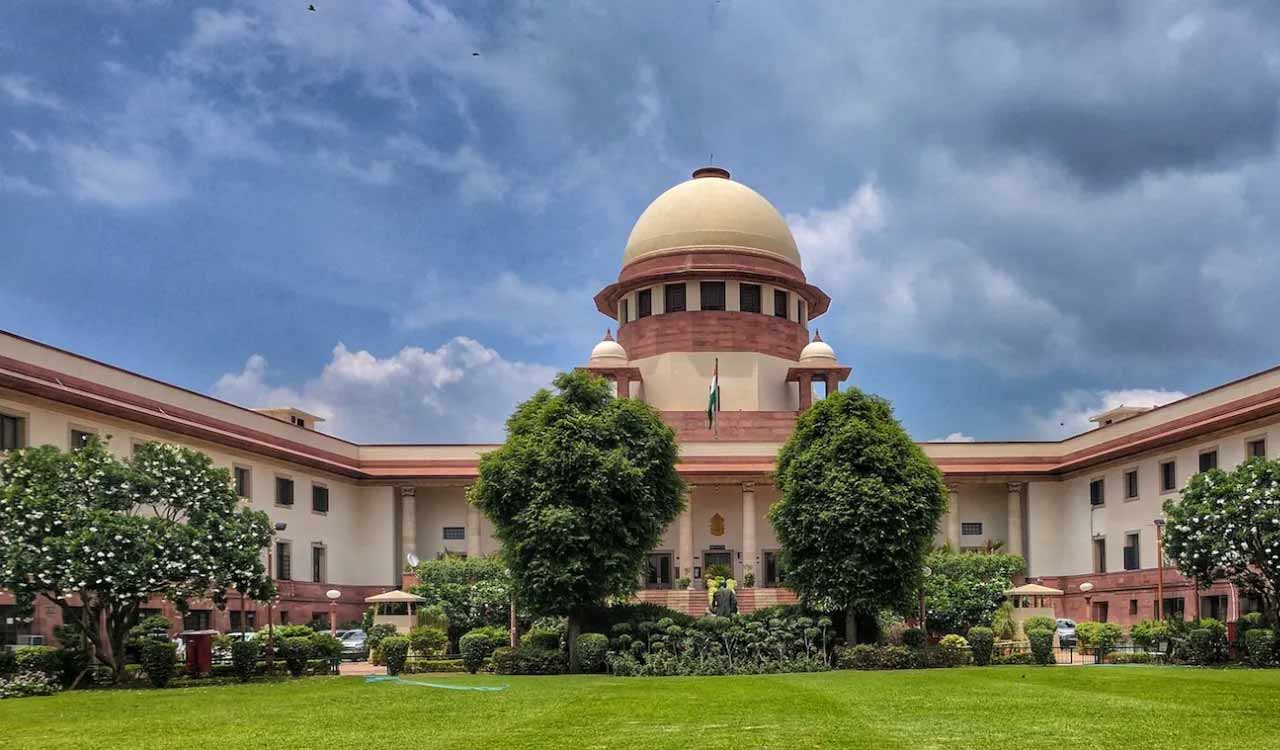
New Delhi: Declaring the right to menstrual health as part of the right to life under the Constitution, the Supreme Court on Friday directed all states and Union Territories to provide free oxo-biodegradable sanitary napkins to girl students and functional, gender-segregated toilets in all schools.
In a landmark judgment aimed at ensuring gender justice and educational equity, a bench comprising Justices J B Pardiwala and R Mahadevan issued a slew of directions to all states and UTs to ensure that these facilities are provided in schools, irrespective of whether they are government-run, aided or private.
The verdict, authored by Justice Pardiwala, warned of stringent consequences for non-compliance, including de-recognition of private schools and holding state governments directly accountable for failures in public institutions.
“The right to life under Article 21 of the Constitution includes the right to menstrual health. Access to safe, effective and affordable menstrual hygiene management measures helps a girl child attain the highest standard of sexual and reproductive health,” the bench held.
It added that the right to healthy reproductive life embraces access to education and information about sexual health.
“As regards the availability of menstrual absorbents, we direct that all states and Union Territories shall ensure that every school, whether government-run or privately managed in urban and rural areas, provides oxo-biodegradable sanitary napkins free of cost,” the court ordered.
The sanitary napkins shall be made accessible to girl students preferably within toilet premises through vending machines or, where such installation is not immediately feasible, at a designated place or with a designated authority within schools, it said.
On the issue of toilets, the bench directed all states and UTs to ensure that every school is provided with functional, gender-segregated toilets with usable water connectivity.
It said all existing and newly constructed school toilets must be designed, constructed and maintained to ensure privacy and accessibility, including for children with disabilities.
“All school toilets shall be equipped with functional hand-washing facilities with soap and water available at all times,” it ordered.
Justice Pardiwala said the right to education has been termed a multiplier right as it enables the exercise of other human rights.
“The Right to Education forms part of the broader framework of the right to life and human dignity, which cannot be realised without access to education,” the verdict said.
The court observed that the substantive approach to equality under Article 14 requires treatment with due regard to individual, institutional and systemic barriers that impede the realisation of rights.
“At the same time, the state, as a benefactor, is under an obligation to remedy such structural disadvantages,” it added.
“Inaccessibility of menstrual hygiene management measures undermines the dignity of a girl child, as dignity finds expression in conditions that enable individuals to live without humiliation, exclusion or avoidable suffering,” the bench said.
It also underlined that privacy is intrinsically linked with dignity and entails an obligation on the state to protect individual privacy.
The verdict said inaccessibility to menstrual hygiene facilities strips girls of the right to participate on equal terms in school, leading to long-term social and economic disadvantages.
It also dealt with the fundamental right to education under Article 21A and the Right to Education (RTE) Act, which mandates compulsory and quality education.
The court said all schools must comply with norms and standards under Section 19 of the RTE Act.
“In case a school not established, owned or controlled by the appropriate government or local authority is found to be in contravention of the provisions of the RTE Act, it would be derecognised,” it said.
The bench further directed all states and UTs to establish menstrual hygiene management corners in every school and issued guidelines on awareness and training related to menstrual health and puberty.
The detailed judgment is awaited.
The court framed four key questions, including whether lack of access to sanitary pads and toilets creates systemic barriers preventing adolescent girls from participating in education on equal terms with boys, in violation of Article 14.
It also examined whether menstrual health is essential to reproductive health and a life lived with dignity under Article 21.
The bench had reserved its verdict on a PIL filed by Jaya Thakur on December 10, 2024, seeking pan-India implementation of the Menstrual Hygiene Policy for school-going girls.

Related News
-
Supreme Court clarifies legal route for complaints against elected candidates
-
NEET-PG 2026: Plea seeks permanent copies of question papers and response sheets
-
SC issues notice to ECI on Rahul Gandhi-led plea against Special Intensive Revision exercise
-
Internet shutdown during October 10 CJP protest was necessary: Centre to SC