AI cannot replace core legal work, says Justice K V Viswanathan
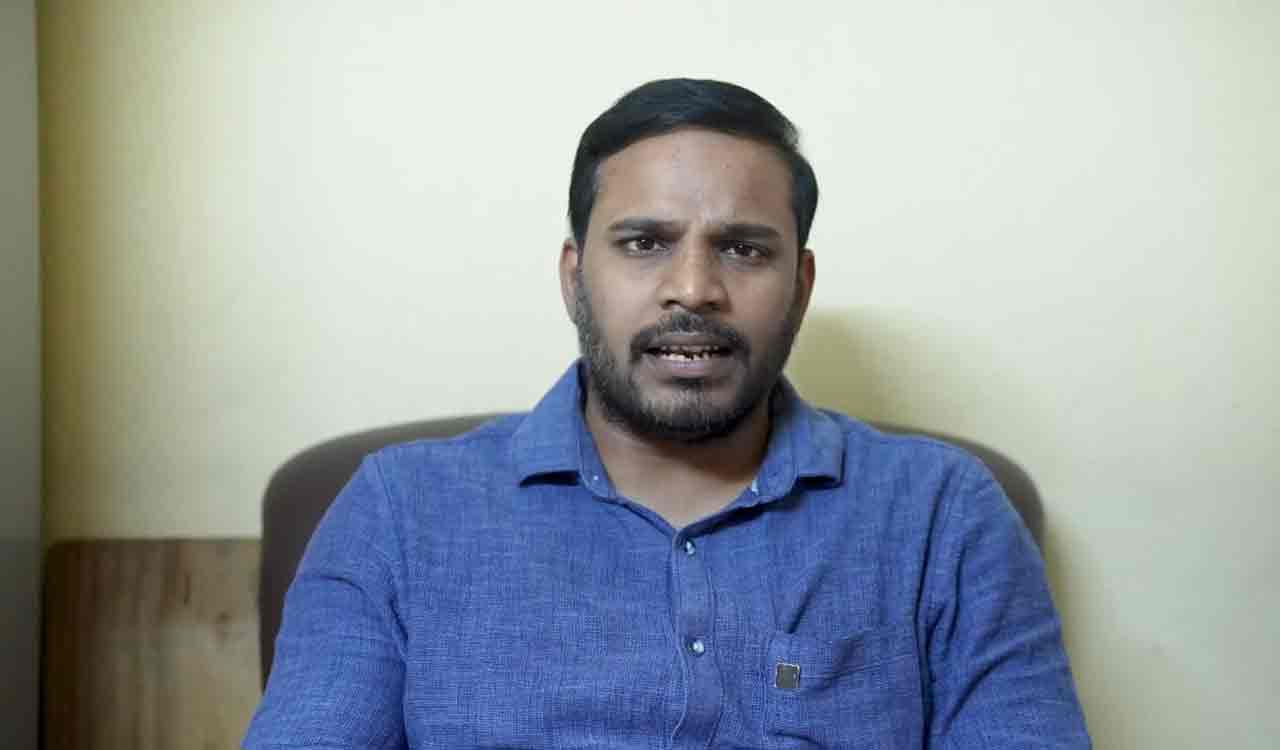
Supreme Court judge K V Viswanathan said artificial intelligence cannot replace core legal functions and warned lawyers against overdependence on technology. Speaking at a convocation in Nagpur, he stressed the importance of human judgment, verification, and professional skills
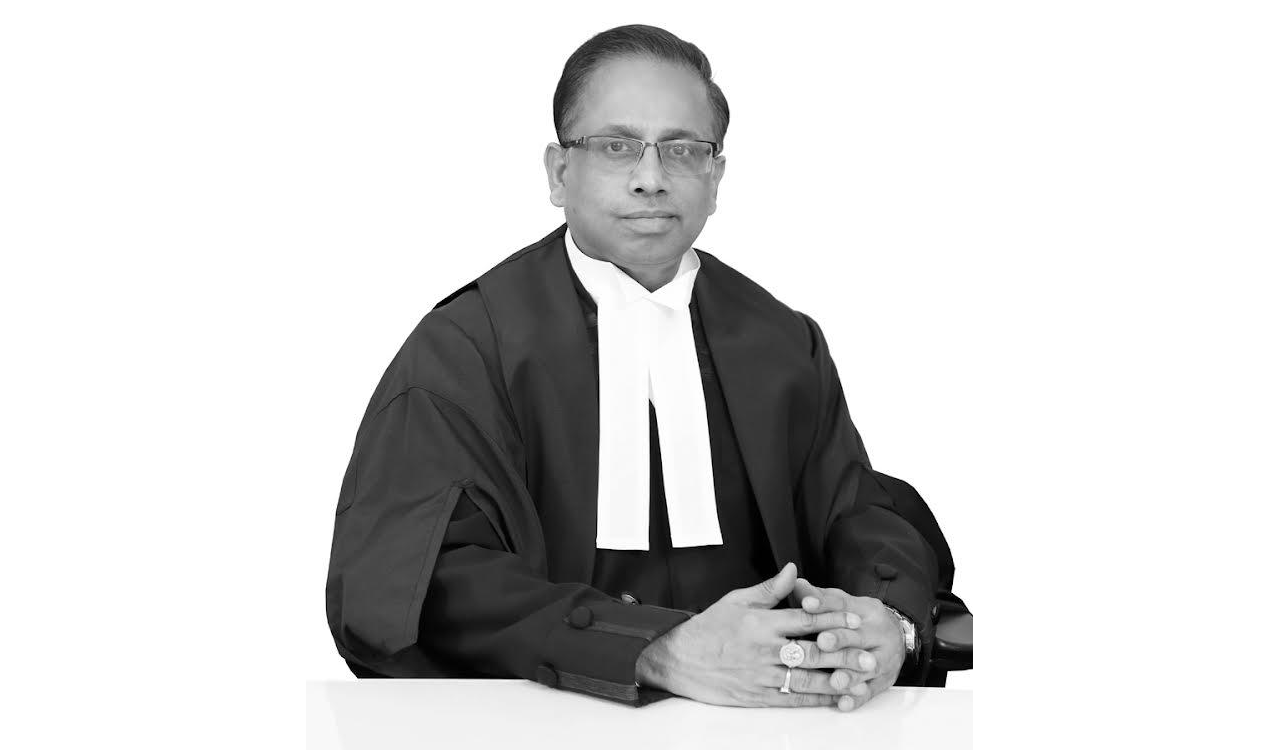


Nagpur: Supreme Court judge K V Viswanathan on Saturday said artificial intelligence cannot replace core functions in the legal profession and a trained legal mind will always hold an edge that cannot be replicated by any algorithm.
He addressed a gathering at the 4th convocation ceremony of the Maharashtra National Law University, Nagpur, where former Chief Justice of India Bhushan Gavai was the guest of honour.
Referring to technology, Justice Viswanathan said lawyers in the 21st century are expected to cultivate new skills in technology.
“Anything that responsibly saves your time must be measured and mastered, which leads to an inevitable question: What is the role of AI in the legal profession?” he said, adding that AI in the form of an assistive tool can meaningfully save time, and lawyers must be proficient in using it.
“You can partner with AI, but you cannot let AI replace the core functions that you are supposed to do,” he added.
“You must understand, at least fundamentally, how these tools work. You should know what prompt engineering is, understand how to interrogate its output, and how to spot when it is hallucinating,” Justice Viswanathan said.
He emphasised that AI cannot replace human tasks and would never be able to do so.
“You must also know its limits. For example, it can retrieve, but it cannot judge. It can draft, but it cannot counsel,” he added.
He said there had been instances in court when lawyers relied on AI-generated citations that turned out to be fictitious.
“The embarrassment caused to the professional is a separate issue, but the damage was caused to the client,” he added.
Justice Viswanathan advised that artificial intelligence should be used like any other professional tool, with skill, caution, and with one’s own mind firmly in charge.
He emphasised that no AI-generated document should ever pass through a lawyer’s hands without careful human verification and authentication.
The moment one begins to outsource thinking entirely to technology, he warned, one ceases to be a lawyer and becomes merely a conduit.
“A trained legal mind will always retain an edge that no algorithm can replicate,” he added.
He further observed that AI functions on probabilities, predicting what word or outcome may follow based on patterns it has previously encountered.
While acknowledging that most professionals today use AI in some capacity, Justice Viswanathan cautioned that it must never replace a lawyer’s core intellectual functioning.
Echoing similar concerns, Supreme Court Justice A S Chandurkar also addressed the role of AI during his speech.
He cautioned against allowing technology to supplant the development of fundamental professional skills.
Justice Chandurkar observed that technology and artificial intelligence are now influencing every sphere of life, including the legal profession. They have introduced remarkable efficiency and innovation. However, they also present new and complex challenges.
The present generation is uniquely placed to use technology wisely and responsibly, he said.
Justice Chandurkar urged legal graduates not to allow technology to replace the development of fundamental professional skills, including reading, reasoning, drafting, and activities which require human engagement.
“These skills are the foundation of the profession,” he added.
He appealed to young professionals to use technology to strengthen and polish their work, but always remember that technology will remain your servant and should not weaken original thinking.

Related News
-

Supreme Court stays probe against Pinarayi Vijayan in CMRL bribery case for a week
-
YSRCP hails Supreme Court directions on Andhra Pradesh local body polls
-
AP civic polls: SC asks state election body to defer publication of final candidates’ list
-
Supreme Court clarifies legal route for complaints against elected candidates