SC flags rising trend of frivolous criminal cases in matrimonial disputes
The Supreme Court expressed concern over increasing misuse of criminal law in matrimonial and commercial disputes while quashing a rape case against a father and uncle. The court said false and vexatious allegations burden courts and can damage reputations, while genuine victims still deserve protection



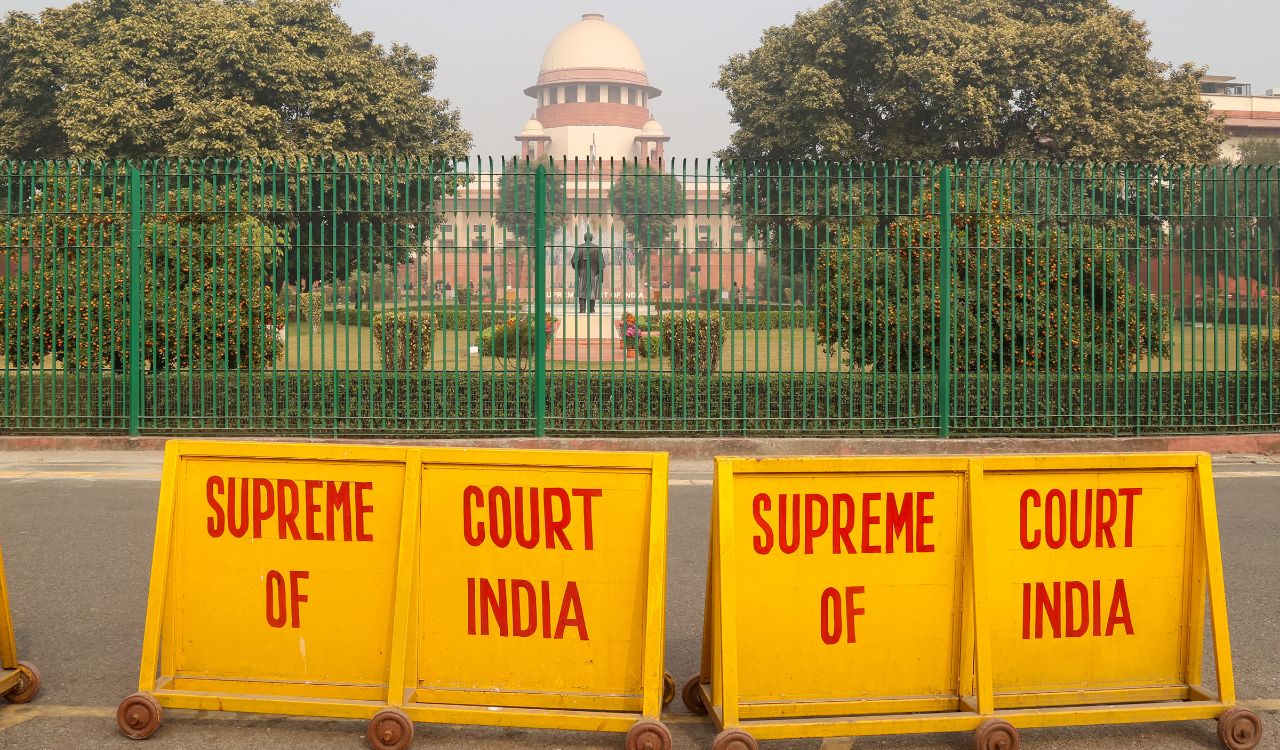
New Delhi: The Supreme Court on Friday expressed concern over a worrying trend of litigants, involved in bitter matrimonial and commercial disputes, filing “frivolous and vexatious” criminal cases to settle personal scores and asked the courts to remain vigilant and scrutinise them meticulously.
The observations on the rising trend of filing vexatious litigation were made by a bench comprising justices BV Nagarathna and Ujjal Bhuyan in a judgement by which it quashed a criminal complaint alleging that a 14-year-old girl was raped by her father and uncle.
“We wish to underline a worrying trend that has come to our attention. Parties involved in matrimonial or commercial relationships with one another are resorting to filing of frivolous and vexatious claims and allegations of a criminal nature to settle personal scores and grudges against each other and therefore turn to nefarious/oblique means to attain the said objective,” Justice Nagarathna, who authored a 50-page verdict, said.
It said courts of law are being misused and overburdened by such “vague and vexatious litigation” between spouses as many a time, the recourse to law and police is taken in an oblique way to “antagonise, pressurise, hound and harass the other spouse and their family members” in order to exact revenge.
Referring to the facts of the case, it noted that the accused father and his estranged wife, the mother of the alleged victim, were embroiled in bitter matrimonial litigation and around 10 cases were lodged against each other.
While quashing the FIR, the verdict examined the evidence adduced in favour of complaint of rape and said it contained “false, frivolous and vexatious” allegations.
“A man is a sum total of his reputation and how he is perceived in the society. Such perception cannot be distorted by a mere casual invocation of law that has the potential of ruining his reputation, social status and public image,” it said.
A blanket statement, without narrating any ancillary act, cannot be allowed to stand against the father and uncle in the instant case, it said. “Merely throwing an allegation of a grave and serious nature without any other supporting factual detail cannot per se result in setting in motion a criminal proceeding against the accused,” it said.
The bench, however, cautioned and said, “We are conscious of the fact that there are many instances where women are gravely affected by matrimonial disputes and violence that they have to endure at the hands of the spouse and in-laws and other family members.” Such cases deserve utmost attention and judicial scrutiny so as to make sure that the ends of justice are met and the offenders do not go scot-free and rather get the punishment they deserve, it added.
The bench said it was mindful of the fact that rape and sexual abuse of minors and violence against women and children remained among the most gruesome and violent examples of human nature that shook the very conscience and moral fabric of the society.
“Therefore, courts and public authorities should come down heavily upon perpetrators of such offences, and such cases should be dealt with swiftly and vigorously to serve the interests of justice,” it said.
It said there are genuine cases where aggrieved parties are genuinely looking for relief and respite from the actions and omissions of their spouses.
“Such cases get frequently overshadowed and obscured by the overwhelming number of false and frivolous cases filed by spouses against one another as an ‘arm-twisting’ method so as to reach a more favourable outcome or settlement or more lucrative monetary settlement,” it said.
The onus is on courts to be careful and cautious so as to separate the wheat from the chaff and separate the genuine cases of matrimonial oppression, rape and offences against women from the cases where the legal process is being used as a tool to file false and frivolous cases out of vengeance, it said.
The matter arose from a decade-long legal battle between the parties, who married in 2008 and separated in 2011. While the two children remained in the father’s custody for 14 years, the mother filed a complaint in September 2024, shortly after gaining custody of her minor daughter.
She alleged that her husband (the father) and his brother had raped the 14-year-old girl. Further, she accused her sister-in-law of a horrific act of sexual assault involving a hammer handle and claimed the grandmother had physically abused the child.
The top court expressed deep suspicion over the timing and nature of the allegations and upon perusing the records, noted that the statements given by the mother and the daughter were “almost word-for-word similar,” suggesting the child had been “tutored” by the mother. “This is not a case of consistency, but a case of verbatim reproduction of statements, almost parrot-like,” it said.

Related News