SC hears plea to extend priority treatment to voter appeals in six Bengal civic bodies
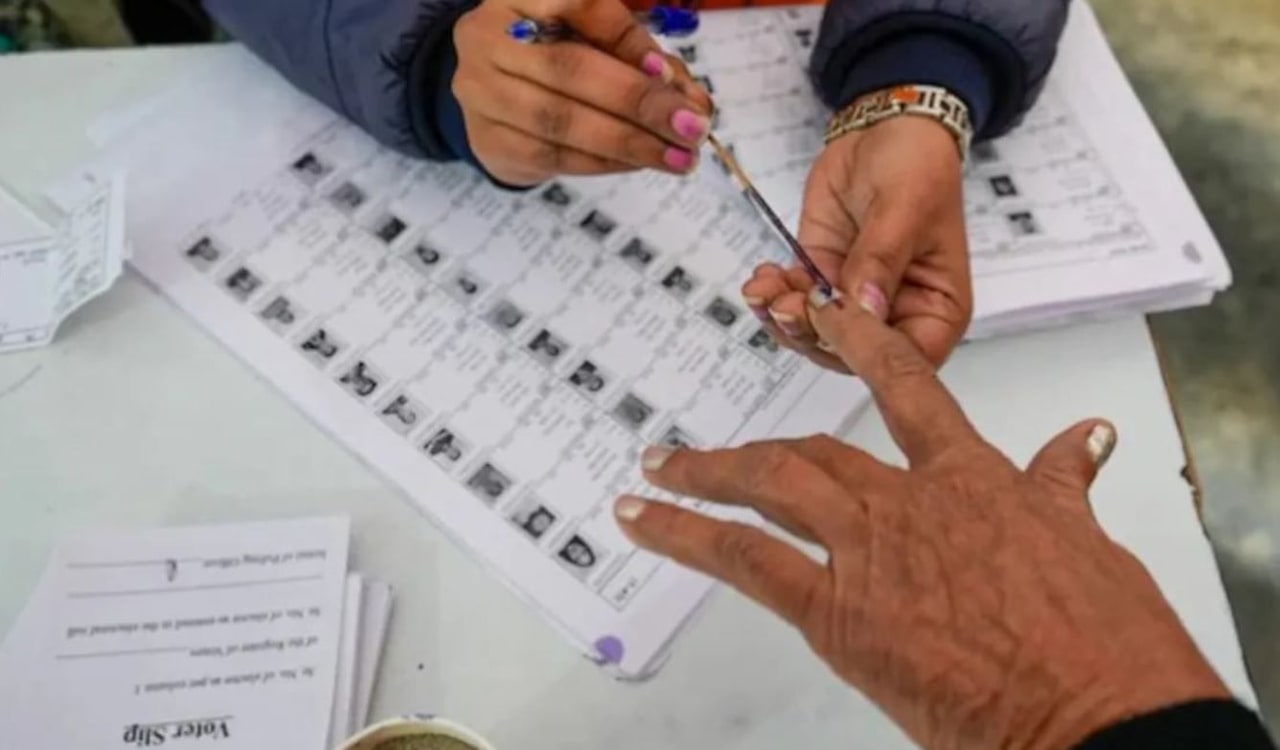
The Supreme Court has agreed to consider extending priority hearings for voter appeals arising from West Bengal's SIR exercise to six additional municipal corporations. Petitioners cited nearly two lakh pending appeals and raised concerns over police verification of appellants


New Delhi: The Supreme Court on Friday agreed to consider submissions seeking priority hearings by appellate tribunals for voter appeals arising from West Bengal’s Special Intensive Revision (SIR) of electoral rolls in six more poll-bound municipal corporations, in addition to the Kolkata Municipal Corporation (KMC).
On November 23, a bench comprising Chief Justice Surya Kant and Justices Joymalya Bagchi and V Mohana had directed the Election Commission to increase the number of appellate tribunals hearing appeals arising from the SIR of electoral rolls in West Bengal.
The direction came after consultations with the Chief Justice of the Calcutta High Court.
The court had directed the tribunals to prioritise appeals against voter deletions, particularly those from assembly constituencies where civic body elections are scheduled.
During Friday’s hearing, lawyer Prashant Bhushan and senior advocate Gopal Sankaranarayanan appeared for some of the petitioners.
Bhushan said the November 23 order mentioned only the Kolkata Municipal Corporation, although a similar situation existed in six other municipal corporations.
He sought a minor modification to extend the order to the “Kolkata Municipal Corporation and such other municipal corporations where elections are due”, taking the total to seven.
Justice Bagchi agreed to consider the submissions but cautioned that adding more urgent matters could make the exercise unrealistic.
“It is a difficult task for the tribunals,” he said, adding that the bench would take a pragmatic approach.
“We understand the concern. You have made the application, we’ll consider it,” he said.
Asked about the pendency of appeals, Bhushan said around 1.30 lakh appeals were pending in Kolkata and approximately 75,000 in the other six municipal corporations combined, taking the total to nearly two lakh.
Bhushan also suggested that if appeals remained pending when the civic polls were held, voters whose names had been deleted should be allowed to vote.
Sankaranarayanan told the bench that state police had been tasked with visiting the homes of appellants whose cases were pending and asking them to produce documents.
The senior advocate said the police had been asked to complete the exercise by November 29. He also submitted a police checklist to the bench.
Justice Bagchi asked whether the documents were being formally collected and placed before the tribunals. Sankaranarayanan said the Election Commission had told the petitioners that it had nothing to do with the exercise and attributed it to the state government.
Justice Bagchi observed that many people, at least in the KMC area, held valid passports and that tribunals should not take long to decide such cases.
He said the petitioners could approach the Calcutta High Court over the police action. Sankaranarayanan said they would do so.
The Chief Justice added that the immediate priority was to ensure that the appeals were decided.
Justice Bagchi said the court had already directed that appeals seeking inclusion in the electoral rolls be decided expeditiously.
In March, the Election Commission had set up 19 appellate tribunals at the Supreme Court’s direction.
About 700 judicial officers from West Bengal, Odisha and Jharkhand were deployed to handle around 60 lakh claims and objections arising from the revision exercise.
On August 25, the apex court had directed the Election Commission to provide details of pending and disposed-of appeals, including a separate account of cases filed by voters challenging their exclusion from or inclusion in the electoral rolls.
It had also asked the poll panel to indicate how many additional tribunals would be required to ensure time-bound adjudication.

Related News