SC summons Rajasthan officials in illegal mining case
The Supreme Court criticised the Rajasthan government over illegal sand mining in the National Chambal Sanctuary, citing “administrative apathy”. The court summoned senior officials to appear on May 20 and sought compliance reports on measures to curb mining and protect the fragile ecosystem
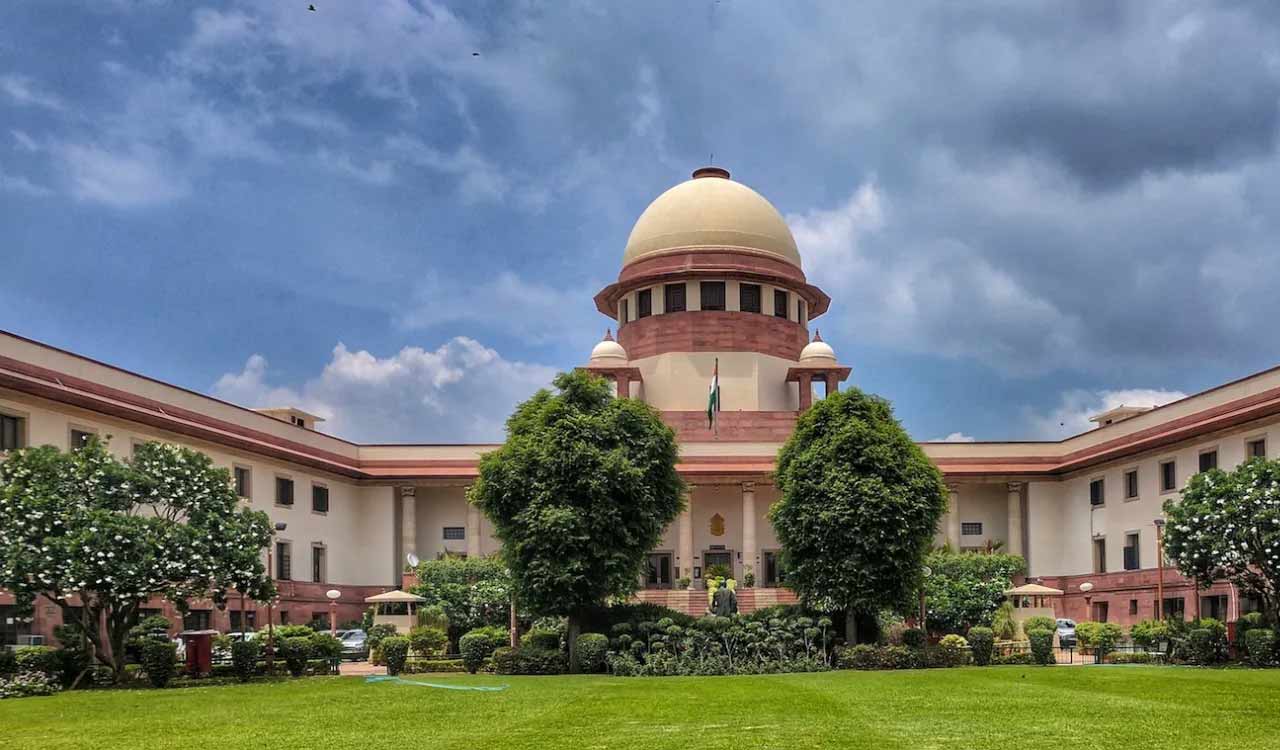


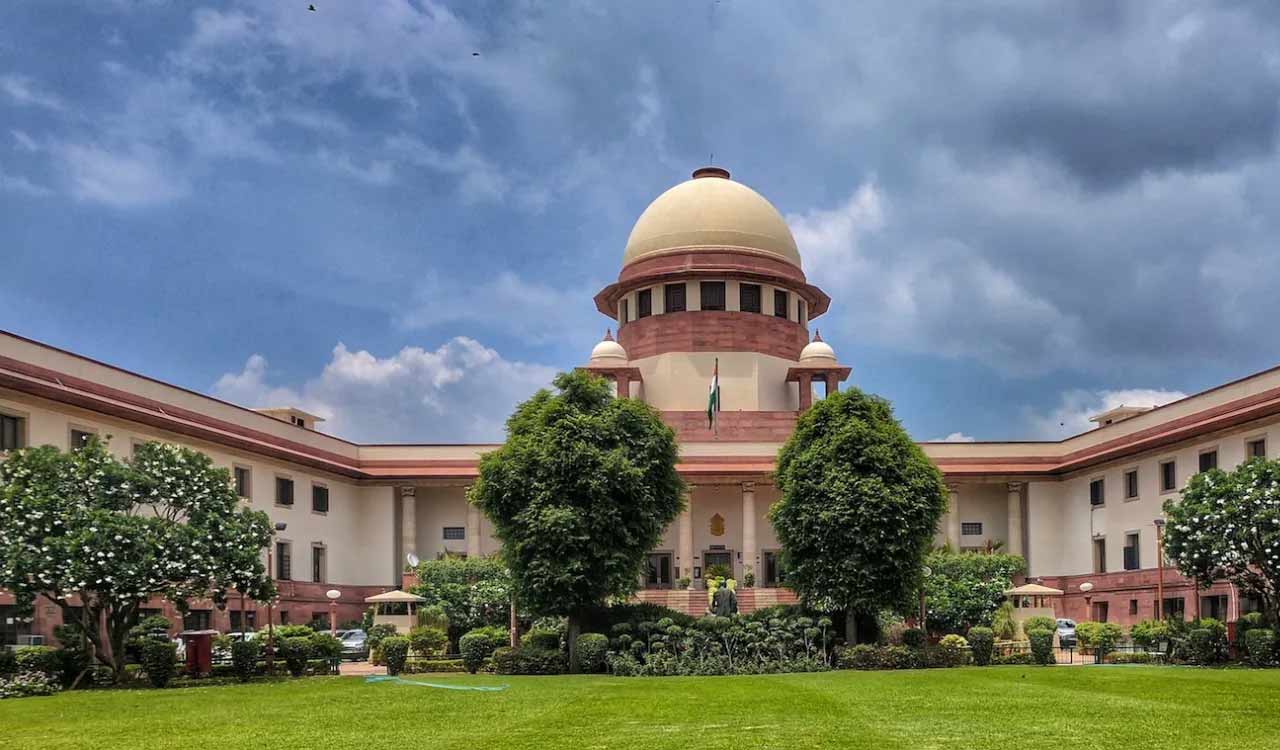
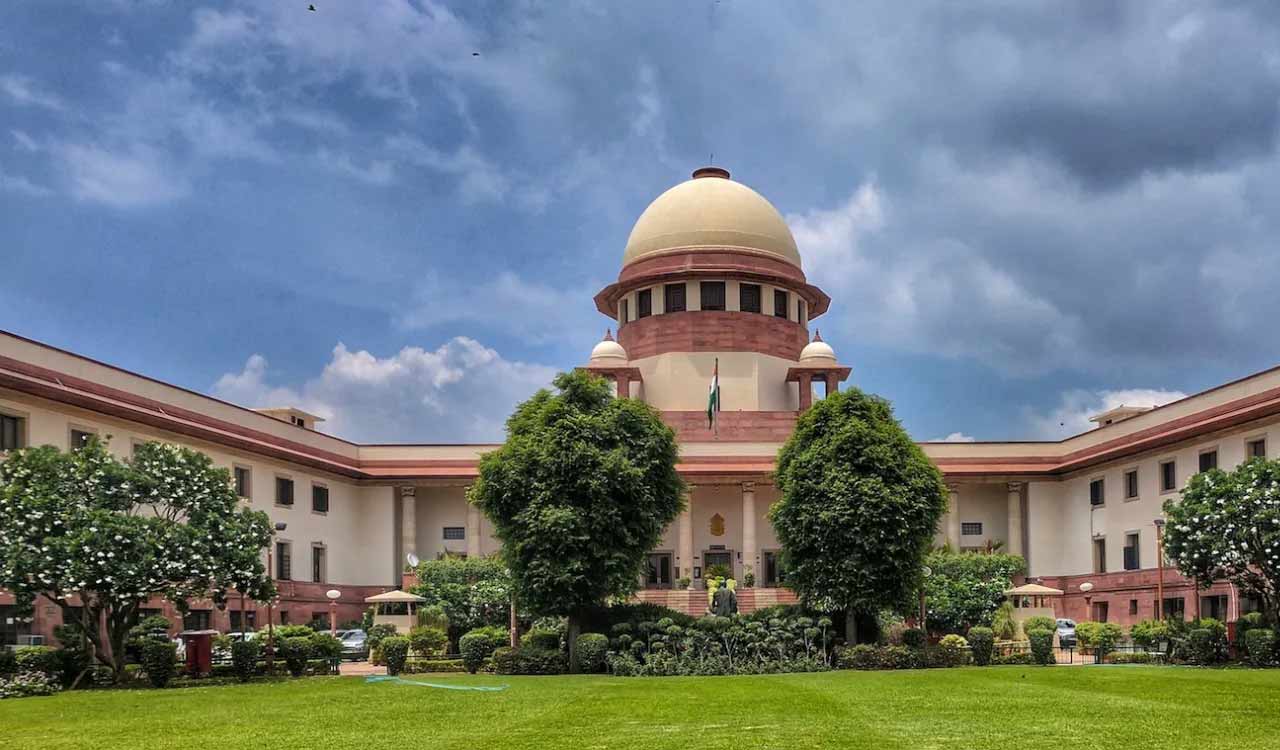
New Delhi: Slamming the Rajasthan government for “administrative apathy and institutional paralysis”, the Supreme Court on Thursday directed its several top officials to remain personally present before it on May 20 to apprise about the steps undertaken pursuant to the directions to stop illegal sand-mining activities.
The top court said the conduct of the Rajasthan government reflected a “wholly casual, indifferent, and indolent approach” towards the grave issues prevailing in this matter, which relates to rampant illegal mining, irreversible environmental degradation and the destruction of protected wildlife habitats within the National Chambal Gharial Sanctuary.
The National Chambal Sanctuary, also called the National Chambal Gharial Wildlife Sanctuary, is a 5,400-sq km tri-state protected area. Besides the endangered gharial (long-snouted crocodile), it is home to the red-crowned roof turtle and the endangered Ganges river Dolphin.
Located on the Chambal river near the tripoint of Rajasthan, Madhya Pradesh and Uttar Pradesh, the sanctuary was first declared a protected area in Madhya Pradesh in 1978 and now constitutes a long and narrow eco-reserve co-administered by the three states.
A bench of Justices Vikram Nath and Sandeep Mehta passed the order in a suo motu case titled ‘In Re: Illegal sand mining in the National Chambal Sanctuary and threat to endangered aquatic wildlife’. It directed the additional chief secretary of the home department, principal secretaries of the departments of mining and geology, finance, forest, environment and climate change and transport and road safety of Rajasthan to remain personally present before it on May 20.
“The aforesaid officers shall also file comprehensive individual compliance affidavits placing on record the steps undertaken in furtherance of the directions issued by this court vide orders dated April 2, 2026 and April 17, 2026, as well as the present order, together with the timelines within which the remaining measures proposed to be undertaken shall be fully implemented,” it said.
The bench also directed the principal secretary of transport and the road safety department of Madhya Pradesh to remain personally present before it on the next date of hearing along with a detailed affidavit specifically addressing the concerns raised about vehicles allegedly engaged in mining and transportation activities plying without number plates.
“The affidavit shall, inter alia, disclose the enforcement measures undertaken to identify and prevent the operation of unregistered and unidentified vehicles involved in mining and transportation activities; the steps taken to ensure strict compliance with the provisions of the Motor Vehicles Act, 1988 and the Central Motor Vehicles Rules, 1989…,” it said.
The bench said the affidavit to be filed by the principal secretary of transport and the road safety department of Madhya Pradesh would also disclose the action initiated against erring officials and violators, if any, and further corrective and preventive measures proposed to be implemented within a definite timeline. It also impleaded the National Highways Authority of India (NHAI) as a party respondent in the matter.
It said NHAI shall file a detailed affidavit specifically indicating the measures undertaken or proposed to be undertaken for safeguarding the structural integrity and security of a bridge which connects Madhya Pradesh and Rajasthan near the Morena-Dholpur border in light of the continuing illegal mining activities in its vicinity.
“The affidavit shall also indicate as to why this court should not direct the National Highways Authority of India to install appropriate CCTV surveillance and monitoring mechanisms on and around the said bridge so as to ensure effective real-time monitoring of illegal mining and transportation activities,” the bench said and posted the matter for hearing on May 20.
Flagging rampant illegal sand mining in National Chambal Gharial Sanctuary, the top court on April 17 directed governments of Madhya Pradesh, Rajasthan and Uttar Pradesh to install CCTV cameras on routes frequently used for such activities, saying the court cannot remain a “silent spectator”. In its order passed on Thursday, the bench noted that when the matter was heard on May 11, it was apprised that only Madhya Pradesh and Uttar Pradesh had filed their compliance affidavits pursuant to its April 2 and April 17 directions.
“In stark contrast to the steps reportedly undertaken by the states of Madhya Pradesh and Uttar Pradesh, we are compelled to express our serious displeasure at the manner in which the state of Rajasthan has conducted itself in the present proceedings,” the bench said.
It said the material placed before it indicated that despite the identification of 40 vulnerable locations, only a single CCTV camera has been installed in Rajasthan and no control room or live monitoring mechanism has been established. The bench said the overall status of compliance by Rajasthan has rightly been described by the Central
Empowered Committee as being “largely at proposal/implementation stage”. The bench said it reflected “a shocking degree of administrative apathy and institutional paralysis in the face of continuing illegal mining activities carried out in an organised and brazen manner in protected forest conservation areas, resulting in grave ecological degradation and a complete failure to uphold the rule of law and the constitutional mandate of environmental protection”.

Related News