SC upholds invalidation of Tokre Koli ST claim, protects retired employee’s pension benefits
The Supreme Court upheld the invalidation of a Mumbai civic employee’s ‘Tokre Koli’ Scheduled Tribe claim but protected his service benefits. Using Article 142, the court ordered that his more than three decades of service be considered for retiral and pensionary benefits
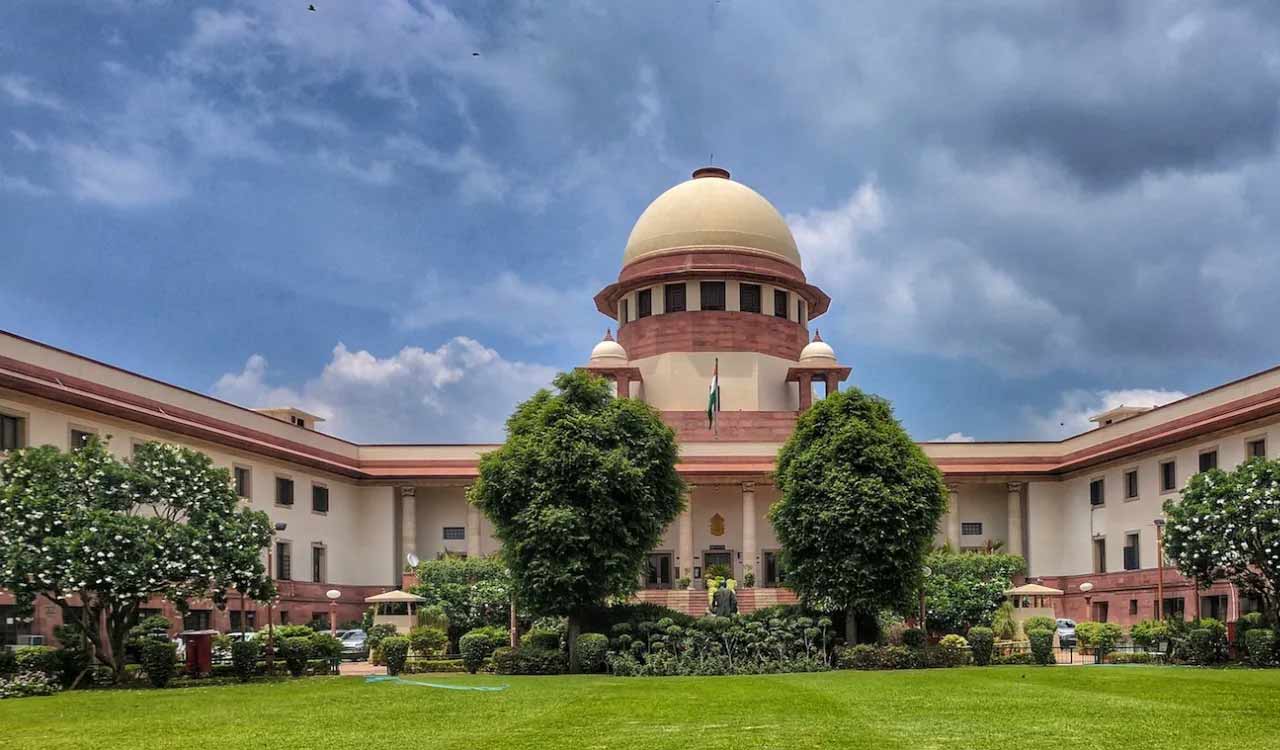


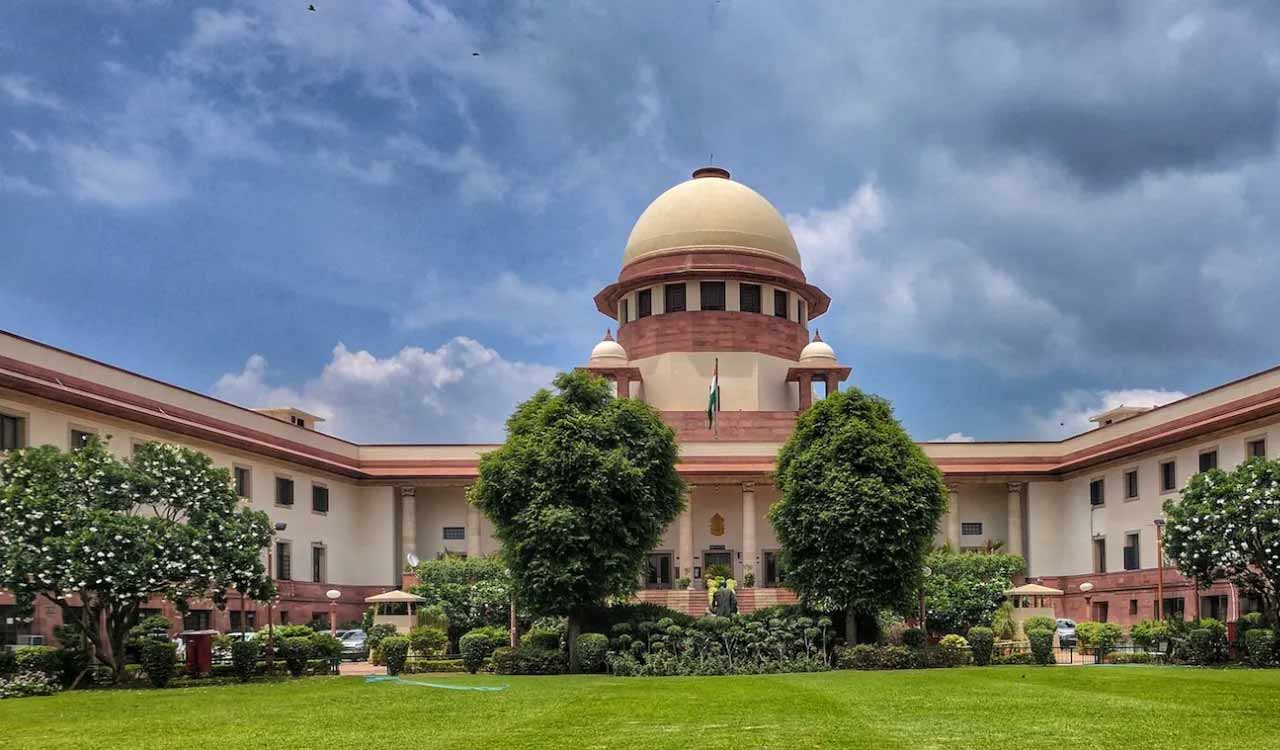
New Delhi: The Supreme Court on Thursday upheld an order which invalidated the claim of a man of belonging to the ‘Tokre Koli’ Scheduled Tribe, but ordered that he would be entitled to retiral and pensionary benefits.
The man, who was issued a caste certificate in 1984 certifying him as belonging to the ‘Tokre Koli’ Scheduled Tribe, had secured appointment as a junior engineer (civil) with the Municipal Corporation of Greater Mumbai in October 1994 on the basis of the certificate. He retired from service in June 2025.
Exercising its plenary power under Article 142 of the Constitution, a bench of Justices Aravind Kumar and Vipul M Pancholi said that service rendered by him from October 1994 till June 2025 would be protected for the limited purpose of computation and release of his retiral and pensionary benefits in accordance with applicable service rules.
“It is clarified that the protection granted hereinabove shall not amount to validation or recognition of the claim of the appellant of belonging to the ‘Tokre Koli’ Scheduled Tribe,” the bench said.
It said neither the appellant nor any member of his family would be entitled to claim any future benefit on the basis of the invalidated caste certificate. The top court delivered its verdict on an appeal filed by the man challenging a September 2020 order passed by the Bombay High Court.
The high court had affirmed a July 2020 order passed by the Scheduled Tribe Certificate Scrutiny Committee invalidating the caste claim of the appellant as belonging to the ‘Tokre Koli’ Scheduled Tribe. In its verdict, the top court noted that since the appellant has retired, his counsel has alternatively prayed for protection of retiral and pensionary benefits.
“We find no error in the conclusion reached by the scrutiny committee and affirmed by the high court in the impugned judgment,” the bench said. It noted that during the pendency of the appeal, the appellant continued in service pursuant to the apex court’s November 2021 interim order and ultimately retired on attaining the age of superannuation.
“However, having considered the facts and circumstances of the case and noting that the appellant entered service with respondent no. 3 (corporation) in the year 1994 and continued in service until the date of his retirement on June 30, 2025, which is for more than three decades, we consider it appropriate to ensure that the appellant is not deprived of his retiral and pensionary benefits,” it said.
The bench noted the appellant has placed on record his affidavit stating that he has no children and none of his family members has derived any benefit from the caste certificate issued to him.
“Generally, invalidation of a caste or tribe claim upon verification would have consequences in law. However, this court has consistently recognised that, in exceptional circumstances where equities of the case so warrant, the power under Article 142 of the Constitution of India may be exercised to do complete justice,” it said.

Related News
-

NEET-PG 2026: Plea seeks permanent copies of question papers and response sheets
-
SC issues notice to ECI on Rahul Gandhi-led plea against Special Intensive Revision exercise
-
Internet shutdown during October 10 CJP protest was necessary: Centre to SC
-
Owaisi moves Supreme Court against SIR, alleges irregularities in EC decision-making