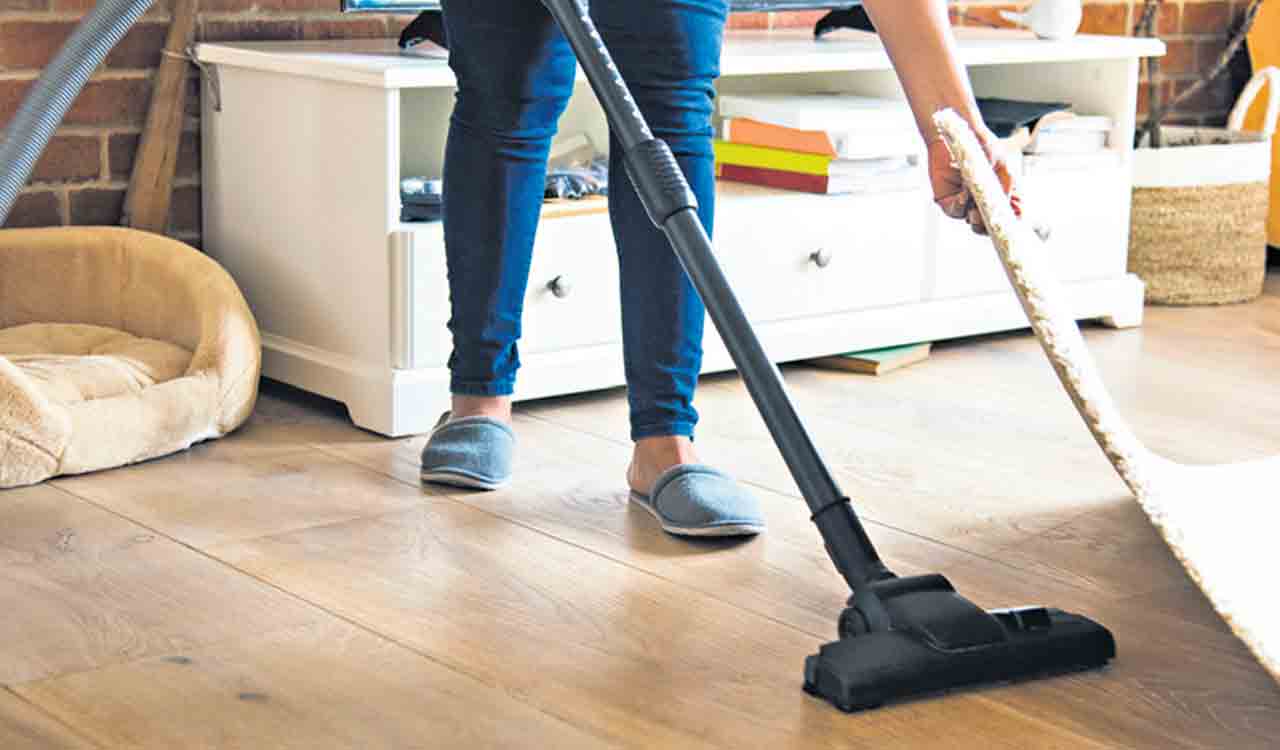
Smart Living Room Trends for Functional Modern Homes
Explore smart living room trends focused on space-saving layouts, multifunctional furniture, and stylish interiors for modern functional homes.


Homes are changing faster than most furniture designs are able to keep up with.
A few years ago, every room had one fixed purpose. Bedrooms were only for sleeping, living rooms were mostly formal seating areas, and guest rooms stayed unused for weeks at a time. That setup no longer works for many modern homes, especially in cities where space has become limited and routines keep changing constantly.
Today, one room often handles multiple things in a single day.
The living room may become a work corner in the morning, a family space in the evening, and a sleeping area for guests at night. Because of that, furniture now needs to do more than simply occupy space.
People are slowly moving away from heavy furniture that looks impressive but creates daily inconvenience. Instead, there is more focus on flexible pieces that actually make the house easier to live in.
That shift is one reason adaptable furniture has become far more common in modern homes.
Why Homes Are Moving Toward Smarter Furniture
Traditional furniture was designed around bigger homes and fixed room layouts.
Modern apartments work differently.
Smaller spaces cannot afford furniture that serves only one purpose while taking up half the room. People now want layouts that feel open during the day but still remain practical when guests arrive or routines change unexpectedly.
This is where flexible furniture becomes useful.
A single piece that handles seating, relaxation, and sleeping immediately reduces the need for extra furniture. That automatically creates more movement space inside the house.
Urban homes especially benefit from this because storage is already limited and overcrowding happens quickly. Bulky furniture makes rooms feel smaller long before the actual space runs out.
Another thing changing is lifestyle itself.
Many people work from home part time now. Friends or relatives stay over more frequently. Some homes do not even have separate guest rooms anymore. Furniture therefore needs to adjust around changing routines instead of remaining static.
Practicality is becoming more important than formality.
The furniture people continue liking years later is usually the furniture that quietly makes life easier every day.
The Sofa Cum Bed Fits Modern Living Better
The idea of turning a sofa into a bed is not new, but the way people use it today has changed completely.
Earlier versions often felt temporary or uncomfortable. Modern designs are being planned much more thoughtfully because people now use them regularly instead of occasionally.
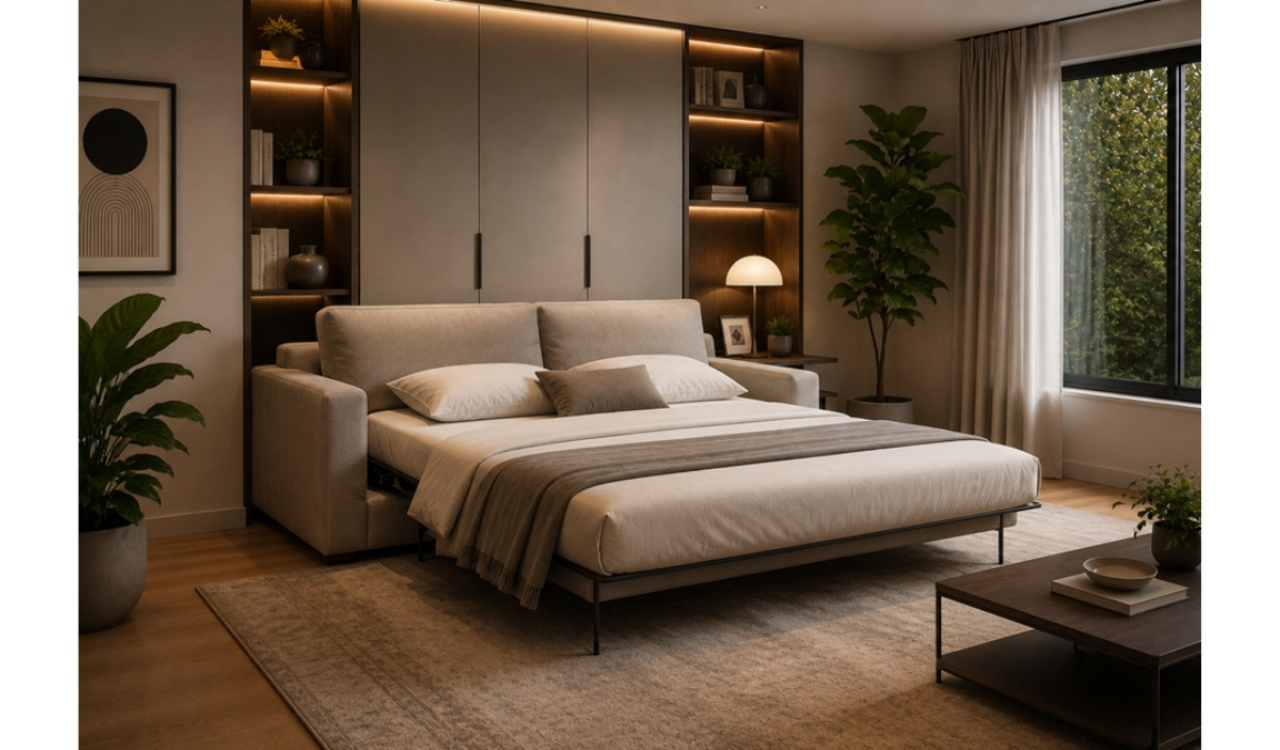
A convertible sofa cum bed works well mainly because it adapts quickly without forcing major changes inside the room.
During the day, the room stays open for sitting, working, or relaxing. At night, the same setup can comfortably handle sleeping arrangements without needing extra mattresses spread across the floor.
This flexibility matters more now because homes are handling more activities inside fewer rooms.
Studio apartments especially benefit from this setup because separate sleeping areas are often not possible. Even family homes use sofa beds regularly when guests visit or when extra sleeping space becomes necessary unexpectedly.
The biggest advantage is convenience.
People no longer want furniture that creates extra work every time routines change. Simpler transitions make homes feel easier to manage daily.
At the same time, comfort still matters. A furniture piece may save space, but if it feels uncomfortable during sitting or sleeping, people stop using it properly after a while.
The best designs usually feel natural in both forms instead of looking like compromise furniture.
Room Layout Matters More Than Furniture Size
A common mistake people make while buying furniture is focusing only on measurements. A room may technically fit large furniture and still feel uncomfortable afterward because movement becomes restricted.
Flow matters more than size alone. People should be able to walk naturally around furniture without squeezing through narrow gaps or constantly adjusting around corners. This becomes especially important in compact apartments where every inch affects daily comfort.
Bulky furniture usually creates visual heaviness too. Rooms start looking crowded faster when oversized pieces block open floor areas. Even expensive interiors begin feeling stressful once movement becomes difficult.
Planning furniture around routine helps more. Where people sit most often, where guests move through the room, how easily the bed opens, and whether there is enough walking space afterward all matter during real daily use.
An l shape sofa set for living room layouts often works well because it uses corners efficiently while leaving central floor space more open. That balance helps smaller homes feel less packed without reducing seating capacity. Furniture should support movement instead of interrupting it constantly.
Multi-purpose layouts feel more practical today.
Modern homes rarely stay fixed in one setup anymore. The same living room may need to function differently depending on the time of day or week. This is why flexible layouts are becoming more useful than formal arrangements.
One common setup now is the living room that doubles as a guest bedroom when required. Instead of maintaining an entire extra room used only occasionally, people are creating adaptable spaces that remain useful daily. Sofa beds fit naturally into this approach because they allow the room to change function quickly.
Studio apartments rely heavily on this kind of planning too. When the sleeping area remains visible all day, the space can start feeling cramped mentally. Furniture that folds away or changes function helps maintain openness during working hours or social gatherings.
Even compact bedrooms benefit from multi use furniture now. Many homes prefer fewer furniture pieces that handle several needs together instead of filling the room with separate bulky items.
The important thing is maintaining comfort while adding flexibility. A room should not feel temporary or incomplete simply because the furniture adapts.
Premium Looking Spaces Usually Stay Simpler
People often assume premium interiors require expensive decoration everywhere. In reality, rooms usually start looking more polished when unnecessary things are reduced.
Furniture shape affects this a lot. Cleaner lines, balanced proportions, and softer textures generally make spaces feel calmer compared to heavily decorative furniture that demands attention constantly.
Colour plays a role too. Neutral shades, earthy tones, softer greys, and warm wood finishes often create a more balanced atmosphere because they allow different furniture pieces to blend naturally together. Too many contrasting colours usually create visual noise instead of elegance.
Texture quietly changes the mood as well. Fabric, wood, softer lighting, rugs, and layered materials help rooms feel comfortable without needing excessive decoration.
One thing modern homes are moving away from is furniture that looks overly formal. People now prefer spaces that feel relaxed while still appearing organised and refined.
A room usually feels more expensive when everything works together naturally instead of competing for attention.
Furniture Needs To Adapt As Life Changes
The way people use their homes keeps changing over time. Families grow, work habits shift, children need more space, guests stay over more often, and sometimes people move into smaller homes entirely. Furniture that adapts during these changes stays useful much longer.
This is why flexibility matters more than trends now. People are beginning to value furniture that adjusts around real life instead of only following temporary styles. Storage matters, but usability matters even more.
A furniture piece that feels easy to maintain, comfortable during daily use, and adaptable during lifestyle changes usually becomes a far better long term choice than something selected only for appearance.
The homes that feel most comfortable today are rarely the ones filled with the most furniture. Usually they are the homes where movement feels easier, rooms stay manageable, and every piece quietly supports daily life. That practicality is what people end up appreciating most over time.

Related News