Supreme Court asks authorities to address railway station amenity gaps
The Supreme Court has asked railway authorities to examine a representation on passenger amenities and take remedial measures to protect passengers. The plea cited a CAG report highlighting unsafe drinking water, poor sanitation and other deficiencies at railway stations nationwide
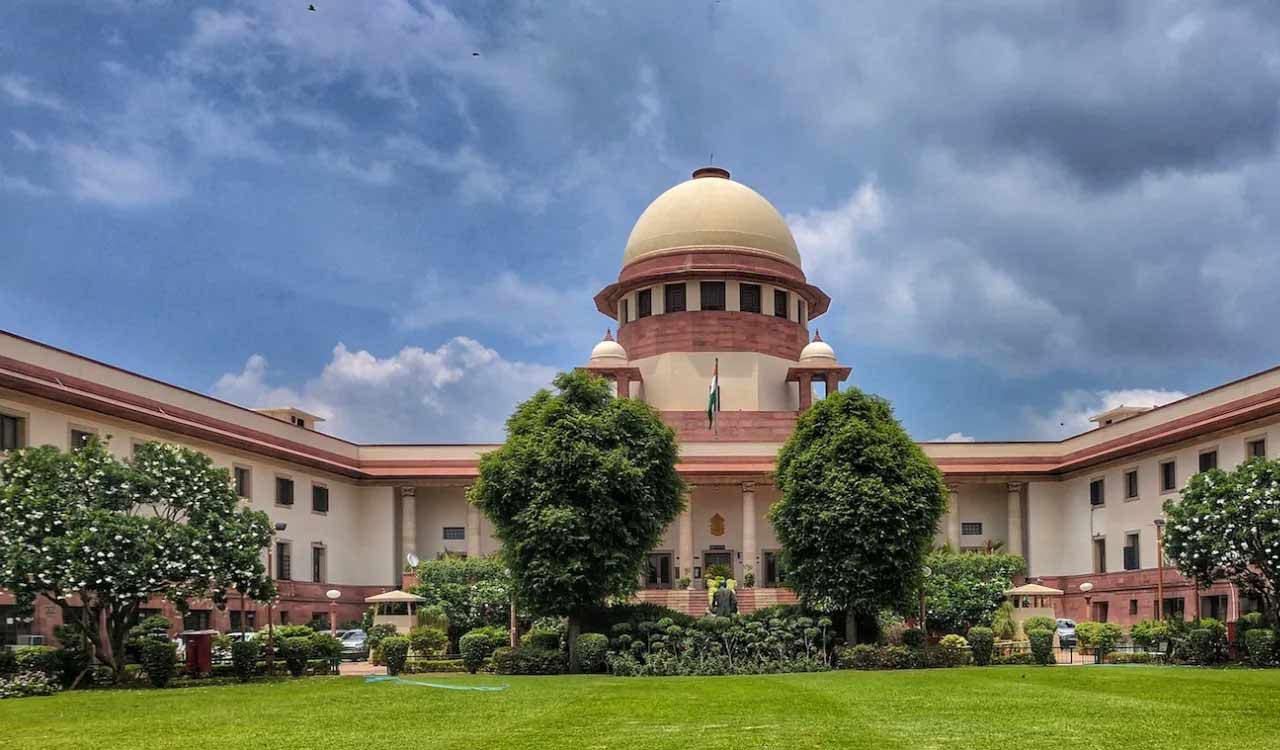


New Delhi: The Supreme Court has asked the authorities concerned to examine a representation regarding passenger amenities at railway stations and take appropriate remedial measures to ensure the health and safety of passengers.
A bench of Justices Joymalya Bagchi and V Mohana passed the order while hearing a plea seeking directions to the authorities to ensure the availability of safe and hygienic drinking water, cleanliness and sanitation, emergency medical facilities, functional toilets and accessibility for passengers at railway stations.
The bench observed that the petitioner had approached the top court on the basis of a report by the Comptroller and Auditor General of India (CAG), which highlighted deficiencies in sanitation and the maintenance of various passenger amenities at railway stations across the country.
It noted that a similar representation had been submitted to the authorities concerned in September this year.
“While we are of the considered view that the nature of grievances flagged by the petitioner are of substantial public interest, we also take note of the fact that the authorities may require reasonable time to examine the recommendations made in the CAG report and the other issues raised by the petitioner,” the bench said in its November 16 order.
“Accordingly, we direct the petitioner to pursue the aforesaid representation before the authorities concerned, who shall look into the same and take appropriate remedial measures, as may be necessary, to ensure the health and safety of passengers availing railway services,” it said, while disposing of the petition.
In the plea filed before the apex court, the petitioner had sought directions to the authorities to ensure comprehensive and periodic testing of all drinking water sources for passengers at railway stations in accordance with prescribed standards.
The plea also sought directions to undertake time-bound corrective and remedial measures at railway stations to ensure hygienic drinking water, cleanliness and sanitation, functional toilets, proper waste management, accessibility, emergency medical facilities and all prescribed minimum essential amenities to safeguard the health, safety, dignity and lives of railway passengers.
“Issue an appropriate writ, order or direction, directing the respondents to ensure comprehensive and periodic testing of all passenger drinking water sources in accordance with the prescribed standards, including for E coli, total coliforms and other bacteriological and chemical parameters, and to immediately discontinue every unsafe or contaminated source and provide safe alternative drinking water until rectification and certification,” the plea read.
It referred to a CAG report tabled in Parliament in August this year, which flagged the presence of E coli bacteria in drinking water from water coolers and unhygienic conditions in washrooms at several stations.
The plea also sought a direction to the authorities concerned to implement, within specified timelines, the applicable recommendations of the CAG report through station-wise corrective action and an effective and transparent monitoring mechanism.
It said that, in the event of failure, neglect or unjustified delay in rectifying the deficiencies within the prescribed timeframe, responsibility and accountability should be fixed on the officers concerned, with appropriate action taken in accordance with the law.
The petitioner urged the court to direct the authorities to immediately address deficiencies directly affecting passenger health and safety, particularly those relating to unsafe drinking water, sanitation and cleanliness, toilets, waste management and emergency medical preparedness.

Related News
-

SC upholds relief to Azam Khan in fake birth certificate case; grants relief to wife, son
-
Bilkis Bano case: Two convicts get bail as Supreme Court hears appeals
-
Supreme Court upholds Maharashtra’s policy on rotation of reserved seats
-
Revanth Reddy seeks PM Modi’s help for Tummidihatti barrage, irrigation projects