Telangana Assembly clears twin Bills on gig workers, advocates’ protection
The Telangana Assembly passed two major Bills to provide social security for gig workers and ensure protection for advocates. The laws introduce welfare measures, insurance benefits, grievance systems and inclusive representation in legal appointments.
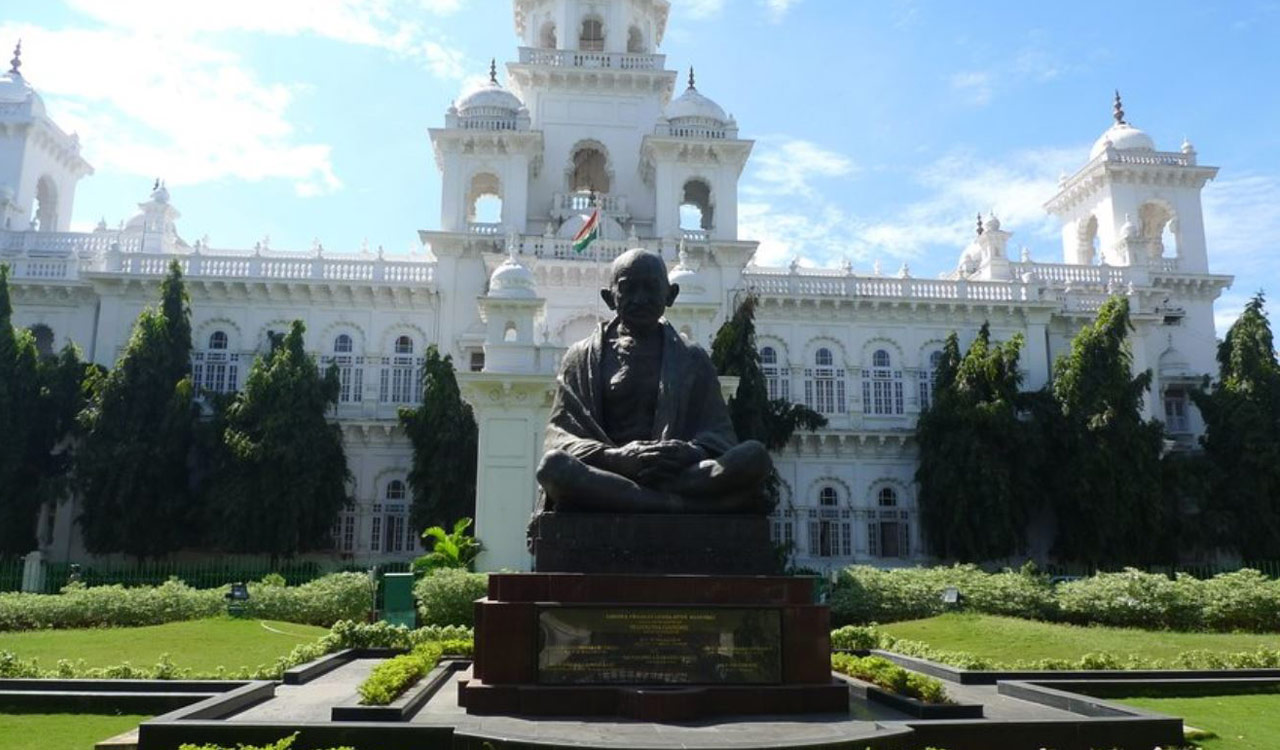


Hyderabad: The Telangana Assembly on Monday passed two key Bills, the Telangana Platform Based Gig Workers (Registration, Social Security and Welfare) Bill, 2026, and the Telangana Advocates Protection Bill, 2026, to ensure social security for gig workers and protection of advocates.
Introduced by Labour Minister G Vivek Venkataswamy, the Gig Workers Bill is aimed at bringing app-based delivery, mobility and service workers under a structured welfare and social security framework. It mandates the creation of a dedicated Social Security and Welfare Board to register workers and oversee benefits. The Minister said the draft was prepared after extensive consultations.
Under the new law, each registered worker will be assigned a unique identification number to access schemes seamlessly. If gig workers are not taken care of, penalties will be levied on aggregators. Further, aggregators are required to contribute 1 to 2 per cent of their transaction value to the welfare fund, which will be used to finance insurance, accident cover, pensions and maternity benefits.
A structured grievance redressal mechanism will also be developed, with platform-level committees and district authorities empowered to resolve disputes.
Similarly, the Advocates Protection Bill, which was introduced by Legislative Affairs Minister D Sridhar Babu, will focus on the safety, welfare and professional security of lawyers. It will ensure insurance coverage and health cards to advocates, aimed at reducing financial vulnerability within the profession.
The Bill also emphasised inclusive representation in legal appointments such as Public Prosecutors and Standing Counsels, with a focus on Backward Classes, Scheduled Castes and Scheduled Tribes. Additionally, it proposed infrastructure support under the “Nyaya Nirman” initiative, including dedicated Bar Association facilities, particularly for women advocates.

Related News