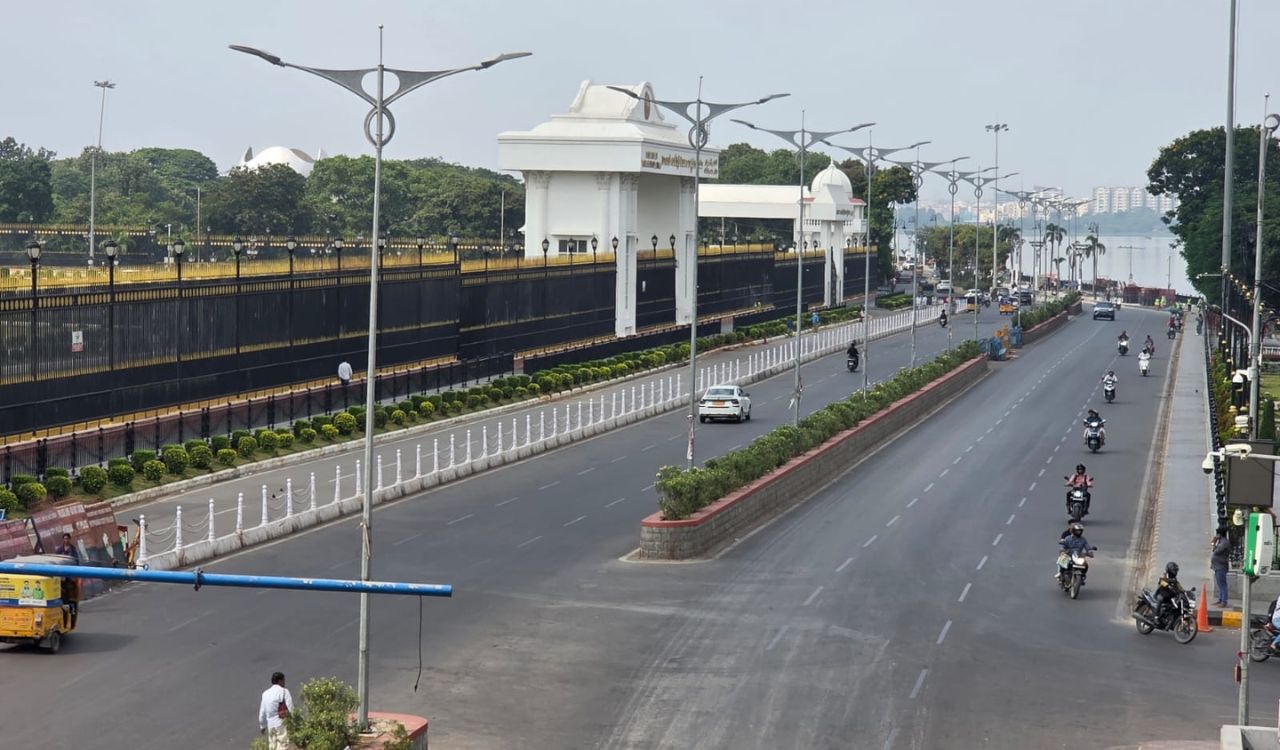
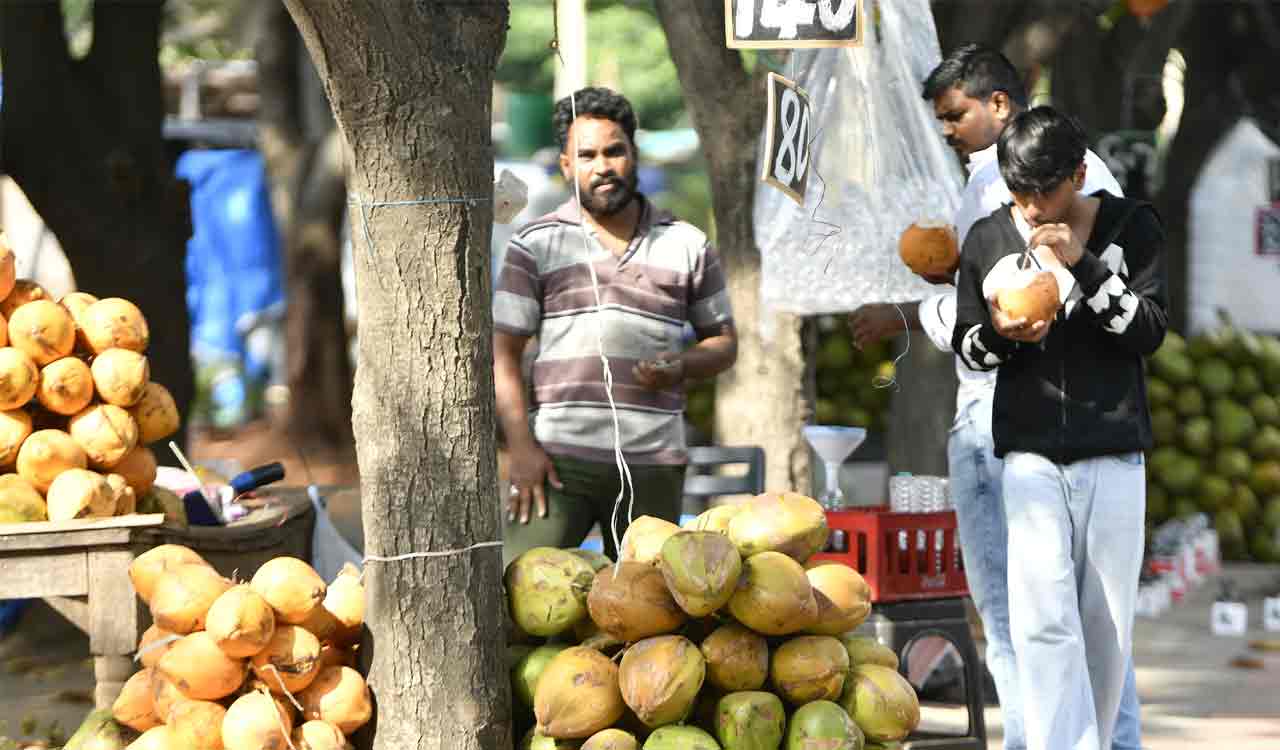
Telangana faces rising heat, humidity and prolonged dry spells, study finds
A multi-decadal study has found rising heat-humidity stress and prolonged dry spells across Telangana and other parts of South Peninsular India. Hyderabad and Warangal are witnessing increasing urban heat and humidity, while farming districts face longer gaps between spells of rain.



Hyderabad: If you feel summers in Hyderabad are getting longer, stickier, and harder to tolerate, then you are not alone! A landmark multi-decadal study has revealed that Telangana and other States in the South Peninsular region are trapped in a cycle of simultaneous surge of rising heat and prolonged dry spells.
The research, titled ‘Evolution of Climate Extremes Over the Indian Subcontinent Using a Revised CEI’, published in the peer-reviewed International Journal of Climatology (July, 2026), says both the Telugu speaking States are facing rising heat-humidity stress alongside significant spikes in drought indicators and consecutive dry days.
Urban residents in Hyderabad and Warangal might relate to the study’s spotlight on the Heat Index (HI), which calculates what the temperature actually feels like by factoring in relative humidity.
The study by scientists from the India Meteorological Department (IMD) and the National Centre for Medium Range Weather Forecasting (NCMRWF), said that unlike dry heat where sweating cools the body down efficiently, Hyderabad’s microclimate has undergone a drastic transformation.
Rapid urban expansion, massive loss of green cover, shrinking urban water bodies, and continuous concrete sprawl have created a pronounced Urban Heat Island (UHI) effect, the study indicated.
Analyzing 52-year observational dataset from 1971 to 2022, the study finds in south Indian cities, high daytime temperatures are increasingly coupled with urban humidity, creating a suffocating microclimate. As a result of this phenomenon, the heat gets trapped well into the evening.
It pointed out across central and southern regions, weather extremes that appeared as scattered, occasional hot pockets back in the 1980s have changed into broad, continuous zones of heat stress by the 2010s.
While urban centres like Hyderabad and Warangal struggle with heat and humidity, districts are also experiencing the changing climate.
The study findings show that South Peninsular India is drying out rapidly, registering statistically significant spikes in drought-related extremes.
Important study findings:
- Weather extremes in South India shifted from scattered hotspots to continuous zones of stress
- In TS and AP, the heat, humidity and drought indicators are increasing.
- Heat and humidity in urban centres of Telangana are stretching into nights
- The gap between between spells of rains are stretching for farming districts like Nalgonda, Khammam, Karimnagar and Adilabad
- TS is witnessing prolonged dry spells followed by erratic intense downpours
- Managing such climate risks needs focus on urban cool-roofs and rural water security
- Due to prolonged dry spells, rural ground water tables and irrigation tanks are under pressure

Related News
-

Telangana govt advisor urges farmers to skip yasangi crop amid drought-like conditions
-
Hyderabad records 35.3°C as October heat continues across Telangana
-
Congress enforced drought on farmers by denying to lift water, supply power: Harish
-
Telangana weather: Temperatures soar above 36 degrees Celsius as rain stays away