Telangana HC quashes cases against Warner Bros. India
The Telangana High Court has quashed two FIRs against Warner Bros. Pictures (India) Pvt Ltd, ruling that the dispute with a local distributor was contractual in nature and did not amount to cheating or criminal breach of trust.



By Our Legal Correspondent
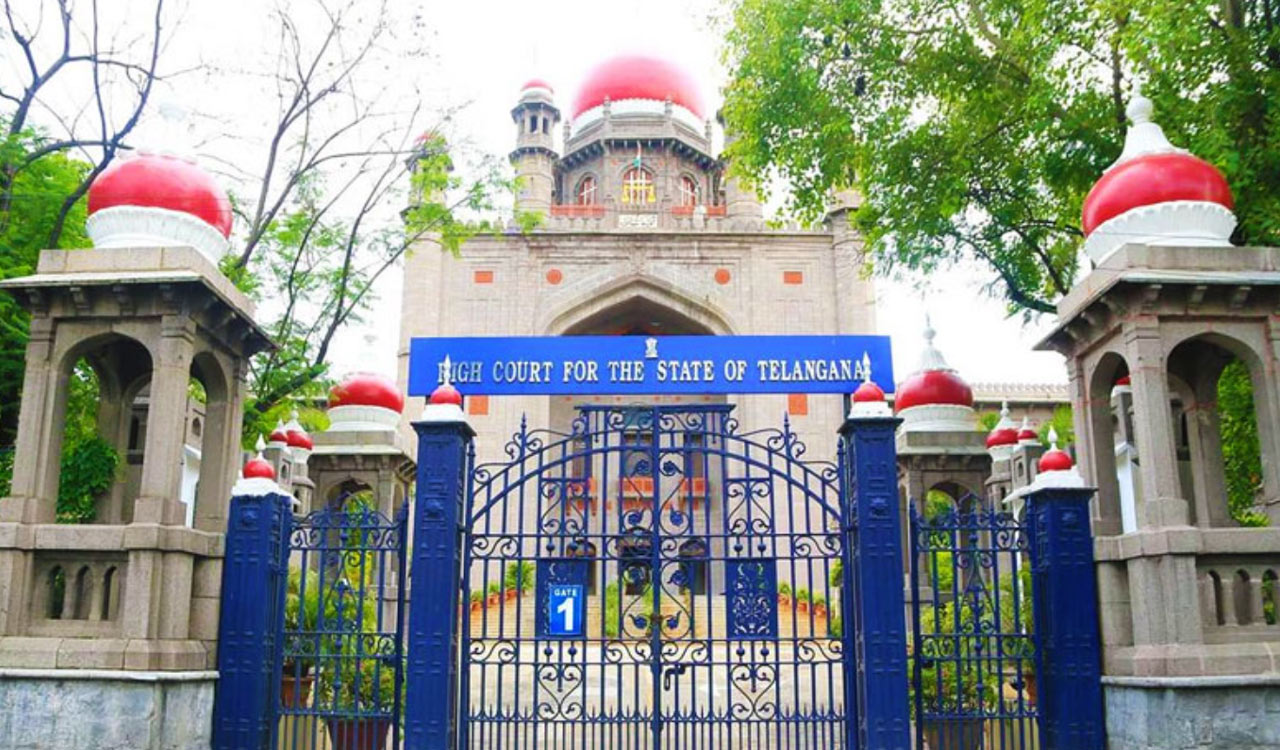
Hyderabad: Justice Tukaramji of the Telangana High Court has quashed two criminal cases registered against Warner Bros. Pictures (India) Private Limited, holding that the dispute between the parties arose out of contractual obligations and did not constitute offences of cheating or criminal breach of trust under the Indian Penal Code.
Allowing two writ petitions filed by the company represented by its Managing Director Denzil Dias, the Court set aside two FIRs registered by the Central Crime Station, Hyderabad, and Jubilee Hills Police Station.
The dispute pertained to theatrical distribution agreements entered into during 2013-14 between Warner Bros. and film distributor Balakrishna Gogineni for the release of Hollywood films such as Man of Steel, Pacific Rim and Into the Storm in the Andhra Pradesh, Telangana, Nizam and Marathwada territories.
According to the company, the distributor had repeatedly defaulted on agreed payment schedules despite the release of the films. It was contended that the criminal complaints were lodged only after several civil proceedings initiated by the distributor, including suits seeking specific performance and injunctions restraining the release of subsequent films, did not succeed.
Senior counsel appearing for the petitioner argued that the allegations, even if accepted in their entirety, disclosed only a commercial dispute relating to contractual payments and failed to satisfy the ingredients necessary to attract offences under Sections 406 and 420 IPC.
Reliance was placed on the judgment of the Supreme Court of India in Hridaya Ranjan Prasad Verma v. State of Bihar, wherein it was held that breach of contract would not amount to cheating unless fraudulent or dishonest intention existed at the inception of the transaction.
Justice Tukaramji observed that multiple written agreements had been executed between the parties over a sustained period and that the business relationship had continued despite the alleged defaults. This, the Court held, negated any inference of dishonest intention from the very beginning of the transaction. The Court further held that payments made pursuant to commercial agreements could not be construed as “entrustment” so as to attract the offence of criminal breach of trust.
Taking note of earlier civil litigation between the parties and the existence of a prior FIR on substantially similar allegations, the Court observed that successive criminal proceedings appeared to have been initiated to exert pressure in what was essentially a commercial dispute.
Holding that continuation of the criminal proceedings would amount to abuse of process of law, the Court quashed both FIRs while leaving it open to the parties to pursue appropriate civil remedies in accordance with law.

Related News
-

Heera Group ponzi scam: ED completes registration of 7 properties auctioned in Hyderabad
-
Hyderabad: Case registered against Sri Chaitanya Guruji over alleged harassment and threats
-
Telangana High Court Hears Plea Against ECI’s SIR Voter Notice Process
-
Telangana High Court Reserves Order on IAS Officer Amrapali’s Cadre Allocation Plea