Telangana HC reserves order on Pawan Khera’s transit anticipatory bail plea
The Telangana High Court reserved its order on Congress leader Pawan Khera’s plea for transit anticipatory bail in a case filed by the Assam Police alleging defamation, forgery, and conspiracy. The Bench raised concerns about why Khera had not sought bail in Assam or Delhi, before reserving its decision.


By Legal Correspondent
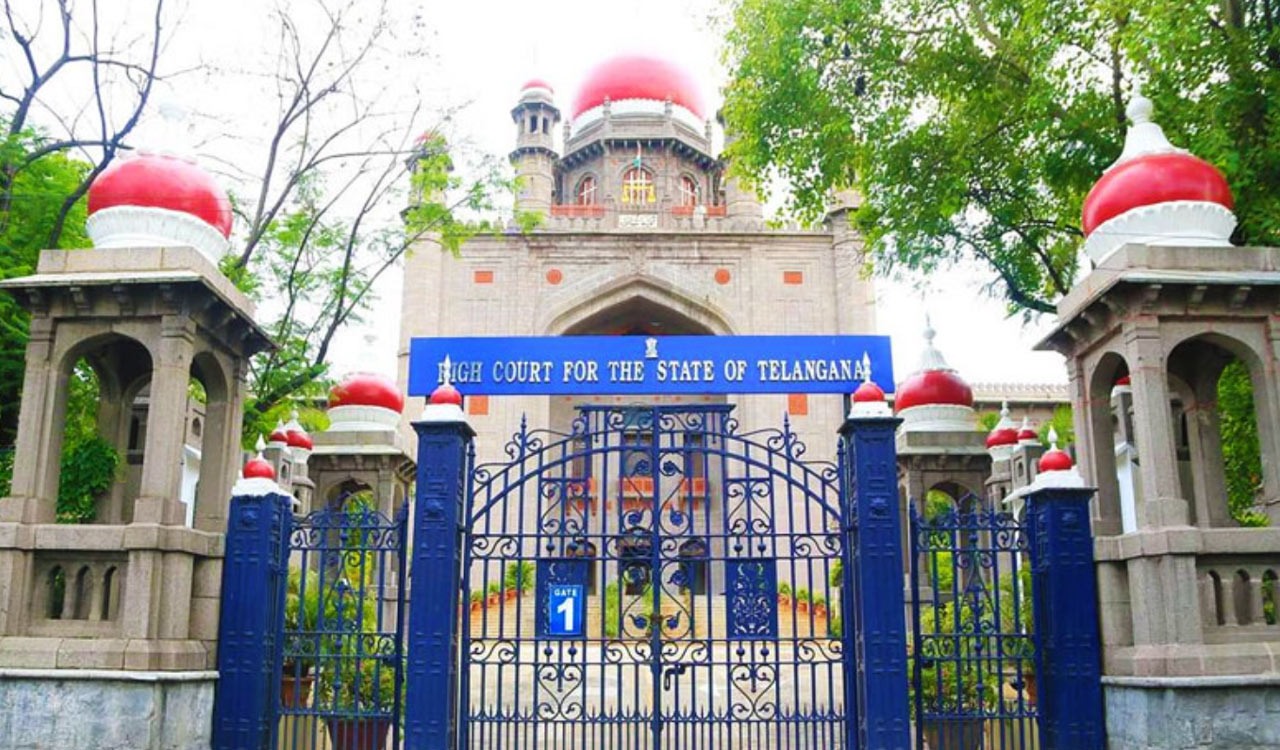
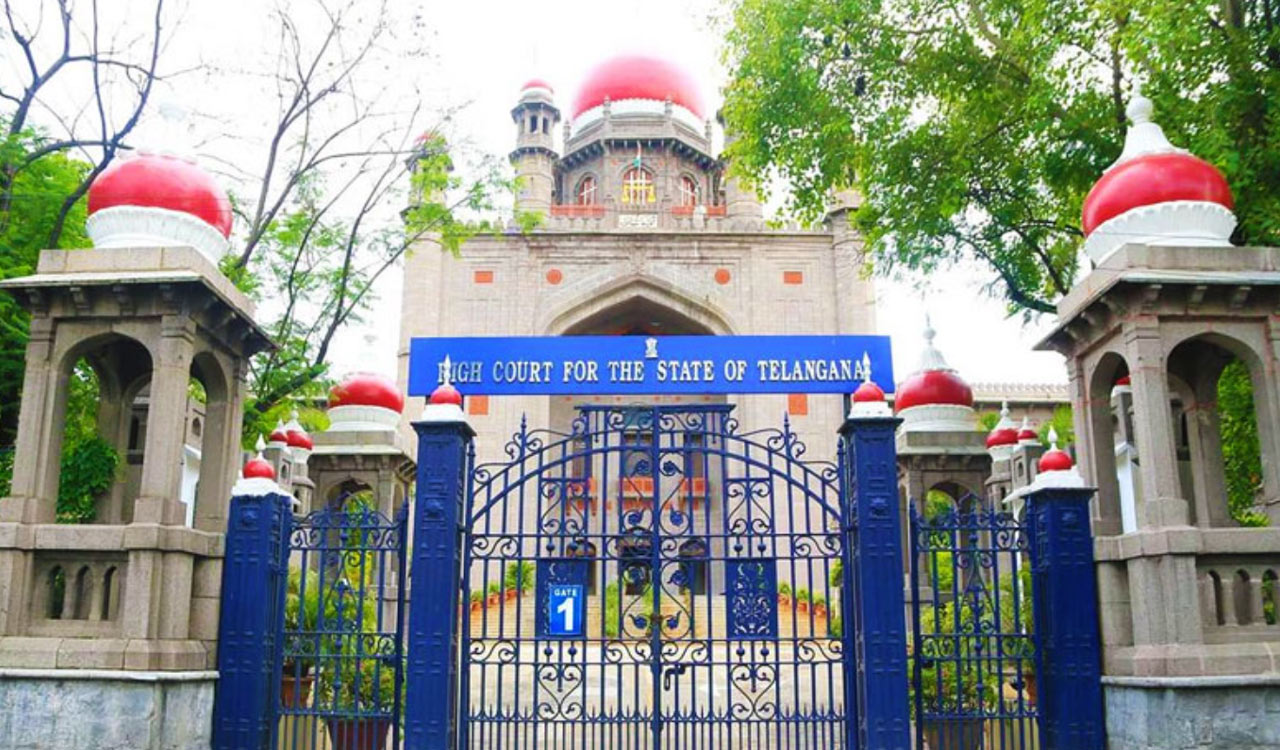
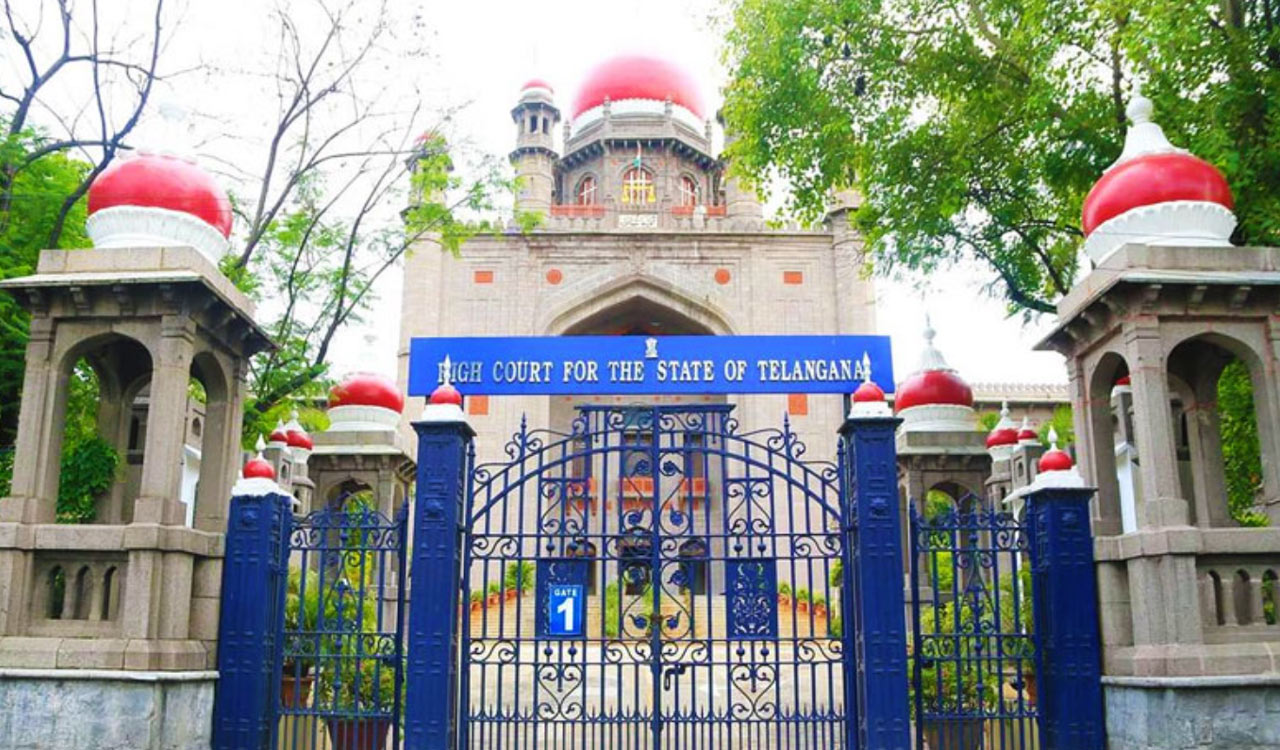
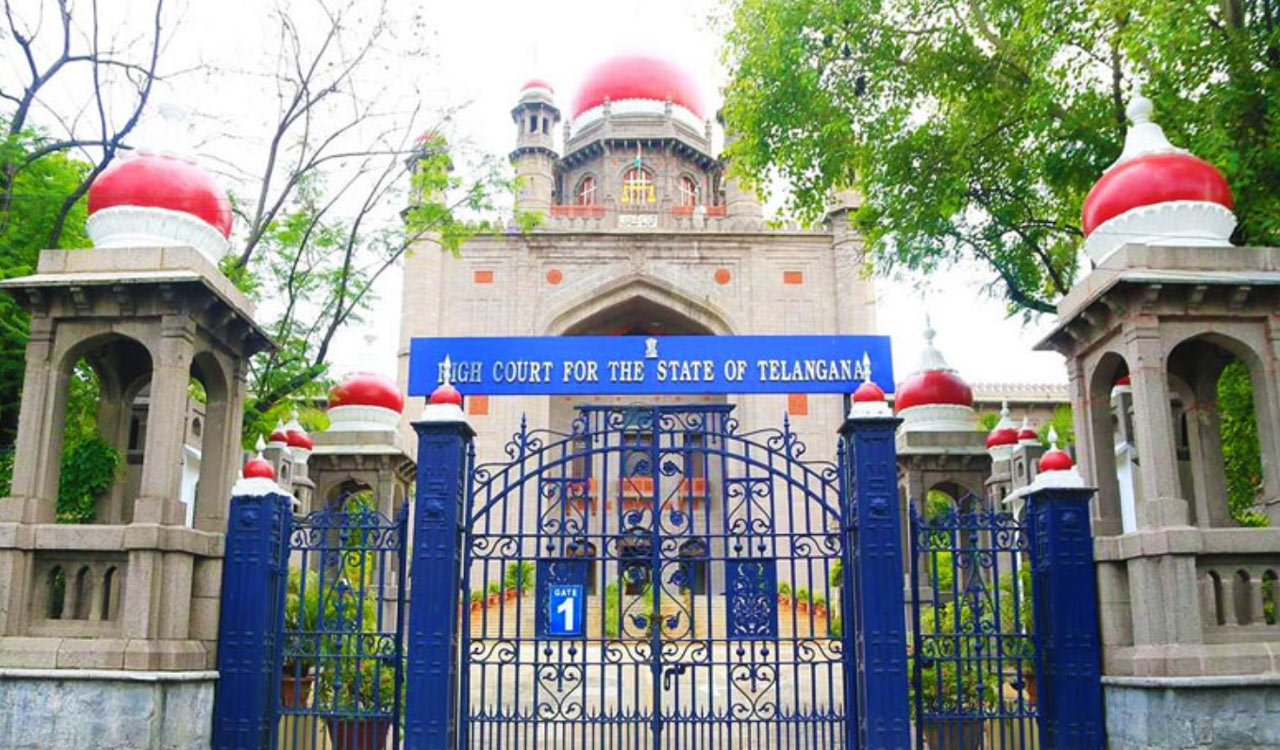
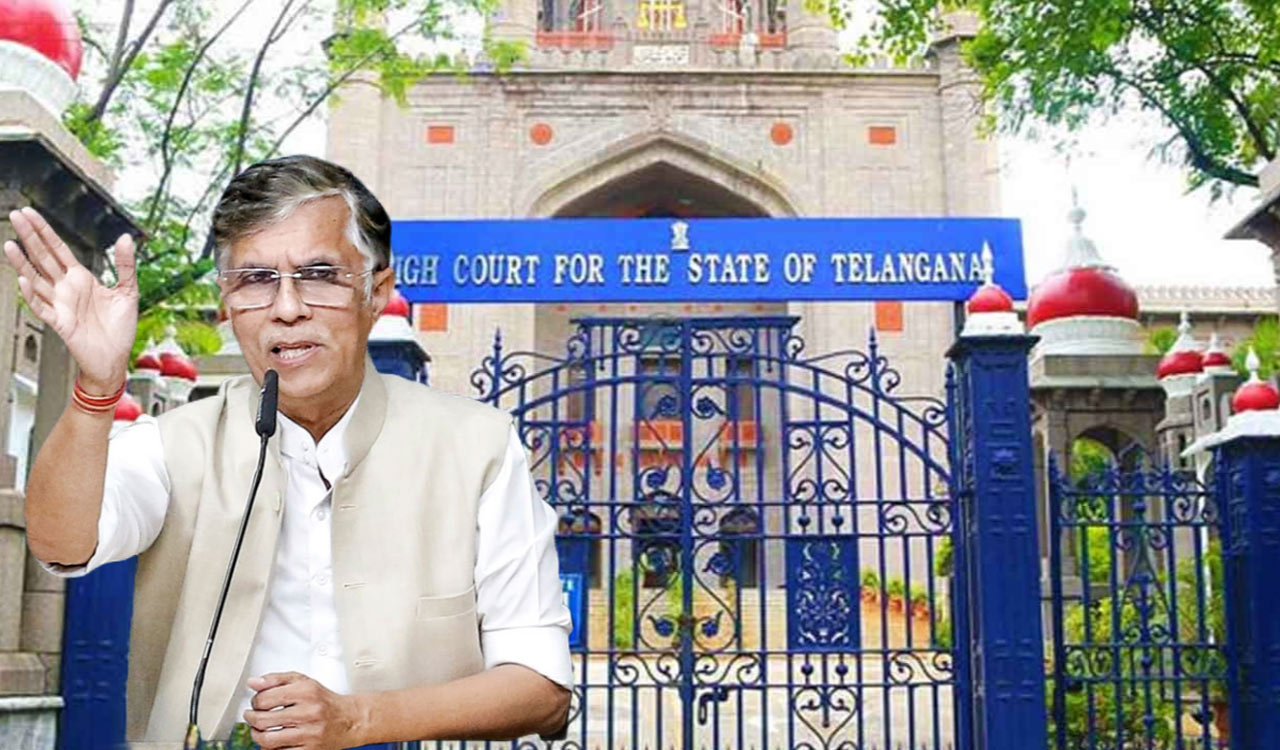
Hyderabad: Justice K. Sujana of the Telangana High Court on Thursday reserved orders on a plea for transit anticipatory bail filed by Congress leader Pawan Khera in connection with a case registered by the Assam Police alleging defamation, forgery and criminal conspiracy.
The case arises from statements made by Mr. Khera at a recent press conference, where he made allegations against Assam Chief Minister Himanta Biswa Sarma’s wife, Riniki Bhuyan, including claims relating to foreign passports and undisclosed overseas assets.
Appearing for Mr. Khera, senior advocate Abhishek Manu Singhvi argued that the offences invoked against Mr. Khera were excessive and reflected political vendetta.
Questioning the necessity of arrest, he submitted: “Are we living in the wild west where for a complaint like this, you have to arrest me? In the FIR, every imaginable offence is listed. The allegation is that I held a press conference and I made defamatory statements against you. Just to harass me you have added every offence that can be imagined.”
“I am a political opponent. If you start arresting people like this, this becomes nothing but jungle raj,” he added.
Mr. Singhvi contended that a slew of offences had been invoked over statements made in a press conference and maintained that Mr. Khera was not a flight risk. He submitted that Mr. Khera was a prominent political figure, not a habitual offender, and would cooperate with the investigation.
On the circumstances leading to the plea, the senior counsel said the FIR was registered shortly after midnight and alleged that the action taken thereafter was intended to intimidate his client.
“Why can’t you do the same thing without arresting me? Answer is simple, because you want to harass me, you want to scare me, you want to intimidate me. You want to silence me,” he argued. He further submitted that the entirety of the evidence is electronic in nature, and as such, the question of tampering with the evidence does not arise in the event anticipatory bail is granted. He also alleged malafide intent behind the case and referred to past instances involving his client.
“There is a strong case of political vendetta and malafides,” he said, adding that similar FIRs had been registered earlier, with the Supreme Court having granted interim protection from arrest in one such instance.
Opposing the plea, Assam Advocate General Devajit Saikia denied allegations of political vendetta and submitted that the case involved serious allegations beyond defamation.
“He has done a lot of forgery and is playing fraud on this court as well. He is trying to mislead this court,” Mr. Saikia said.
He also questioned the maintainability of the plea before the Telangana High Court.
“I am not entering into merits but I argue that this is not the appropriate forum to seek anticipatory bail in this case,” he submitted, adding that Mr. Khera resides in Delhi and had recently been in Assam.
Mr. Saikia further argued that the plea did not explain why Mr. Khera could not approach courts in Assam.
“There is not a single whisper here about why he cannot come to Assam and file for anticipatory bail… the power to grant extra territorial anticipatory bail should be exercised only in exceptional and compelling circumstances,” he said.
Contending that there was no threat to Mr. Khera’s safety, he added: “There is no indication that he cannot come to Assam. Assam is not a Banana Republic. There is no threat to his life.”
During the hearing, the Bench also questioned as to why the petitioner could not seek anticipatory bail in Assam or even in Delhi while residing outside the State. After hearing the parties for over an hour, the court reserved its order.

Related News
-

Bandi Sanjay’s son moves Telangana HC to restrain media, social platforms over POCSO case
-
Telangana HC grants arrest protection to BRS leader Krishank in social media case
-
Telangana HC pulls up CCLA for skipping appearance, warns of warrant
-
Children born after property deal cannot challenge transaction for lack of consent: Telangana HC