Telangana High Court pulls up HYDRAA Commissioner in contempt case
The Telangana High Court held the HYDRAA Commissioner guilty of contempt for violating status quo orders in a land dispute at Bagh Amberpet. The court directed removal of structures and restoration of the site within four weeks



By Legal Correspondent
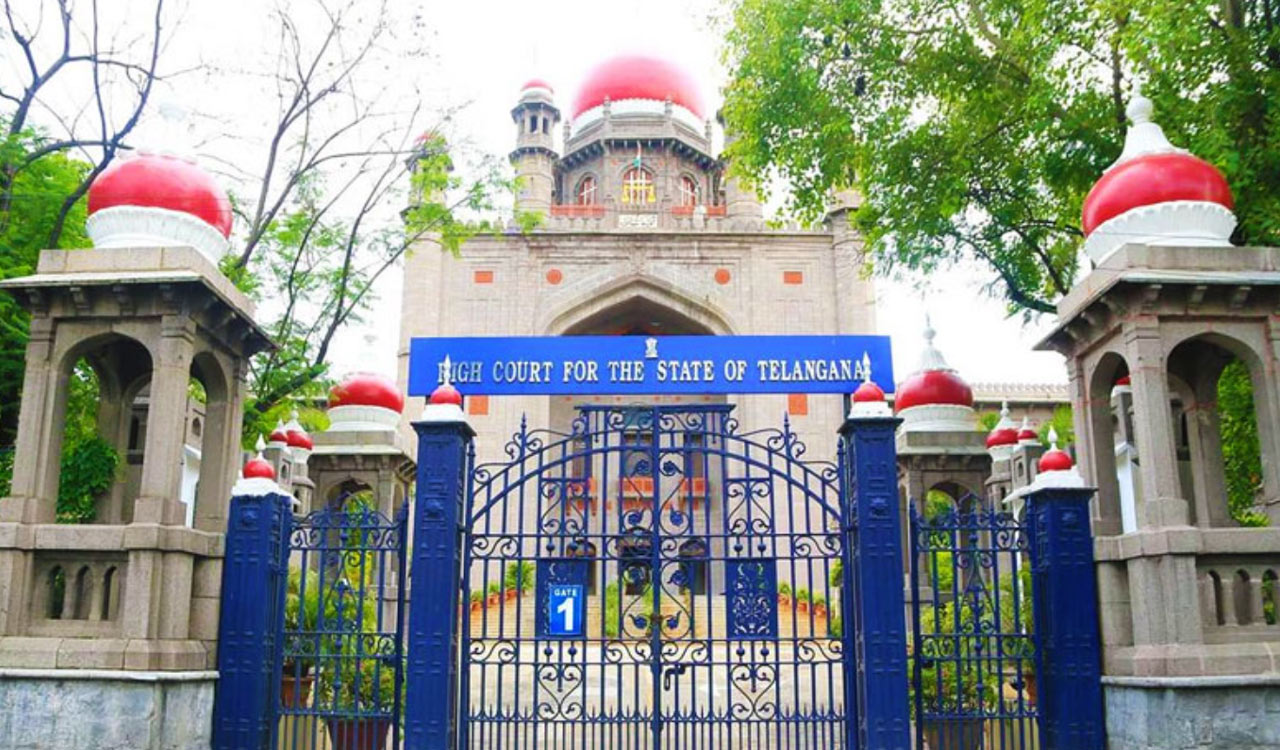
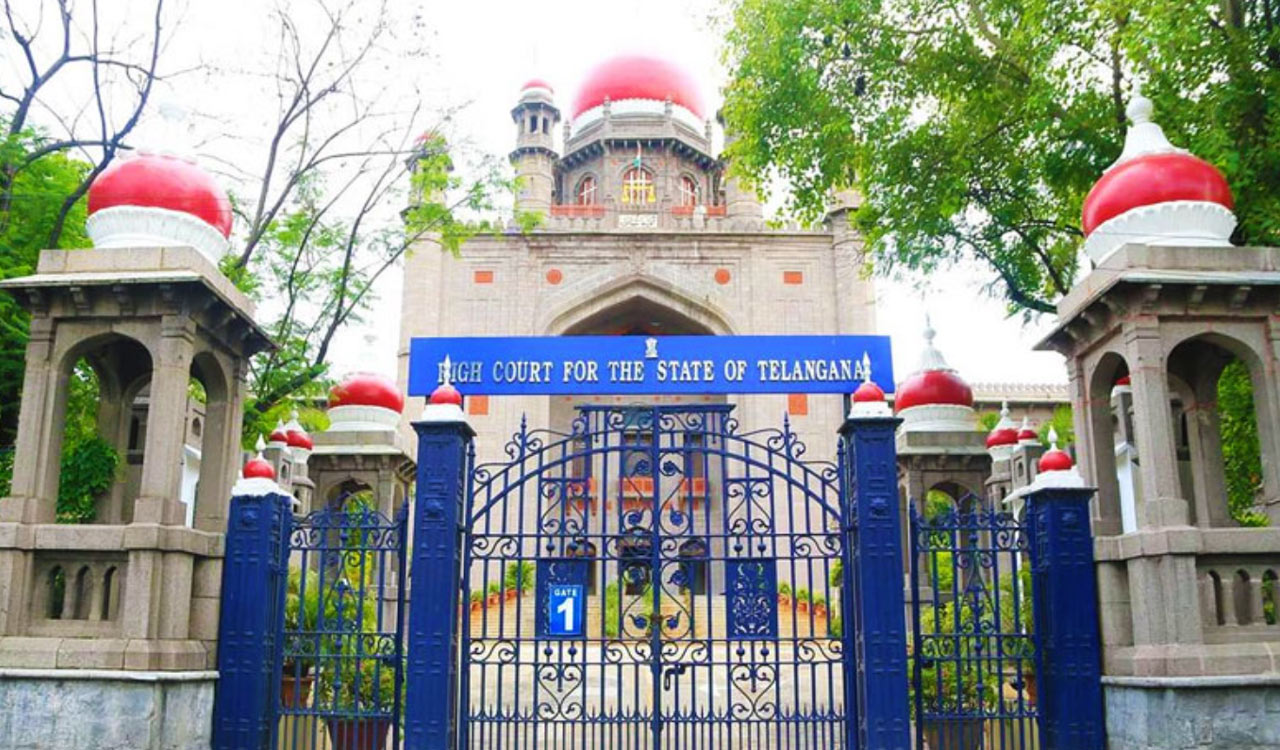
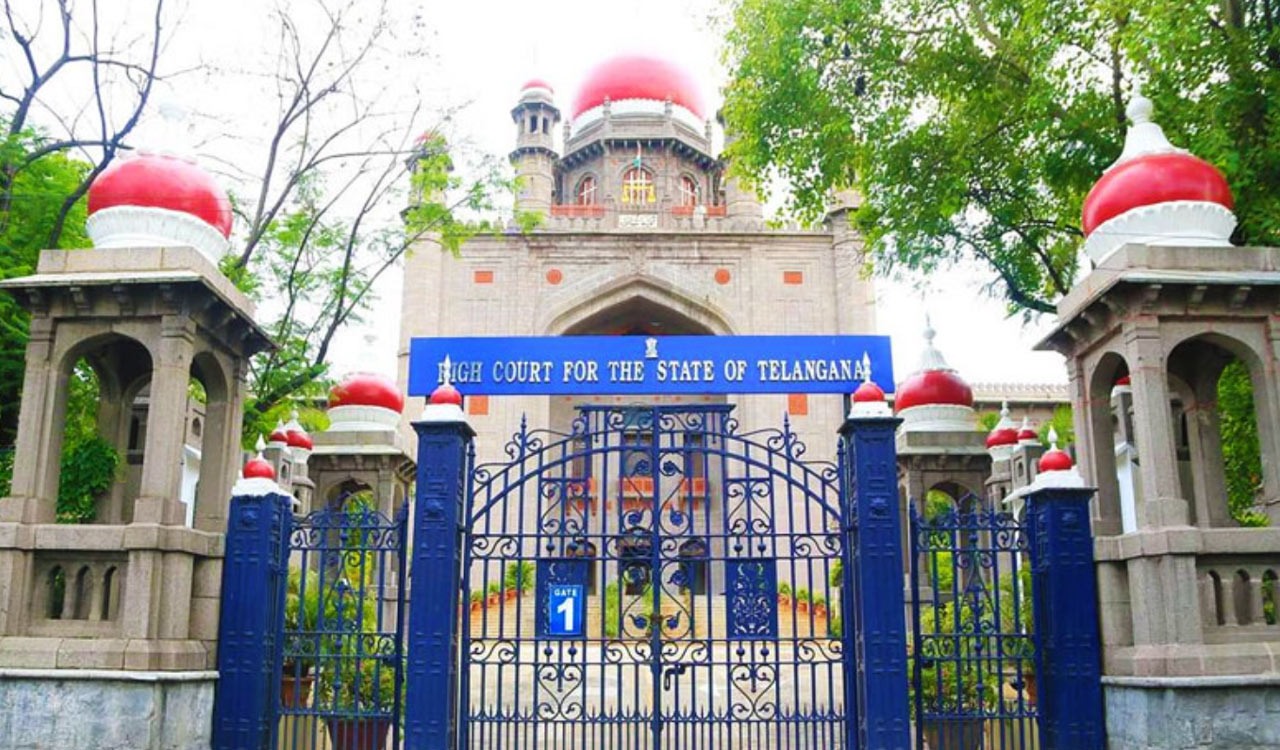
Hyderabad: Justice Moushumi Bhattacharya, speaking for a Division Bench of the Telangana High Court along with Justice BR Madhusudhan Rao, came down heavily on the Hyderabad Disaster Management and Asset Protection Agency (HYDRAA) Commissioner for wilful disobedience of court orders in a contempt case concerning alleged violation of status quo orders over disputed land in Bagh Amberpet.
The Court held that HYDRAA had acted in “flagrant disregard” of its earlier order dated June 12, 2025, which permitted only limited pre-monsoon works without affecting the petitioner’s rights over the disputed land. However, material placed on record, including photographs, showed that the land was extensively altered and developed into a recreational space named “Bathukamma Kunta.”
Observing that the changes went far beyond the scope of permission granted, the Bench noted that the respondent had effectively transformed the nature of the land “beyond recognition” during the pendency of the proceedings. The Court found that such conduct amounted to wilful disobedience and interference with the administration of justice. The High Court also rejected the defence that no prejudice was caused since the land was not alienated to third parties, holding that altering the character of the property itself prejudicially affects the rights of the litigant.
Taking serious note of the conduct, the Bench held the Commissioner guilty of contempt. It further made it clear that a party cannot be allowed to “enjoy the fruits of contempt” and proceeded to issue restorative directions.
Accordingly, the Court directed the respondent to remove all structures, signages, and indicators suggesting ownership or control over the land, including gates, boards, and public access restrictions, within four weeks, and to file a compliance affidavit.

Related News
-

Heera Group ponzi scam: ED completes registration of 7 properties auctioned in Hyderabad
-
Telangana High Court Hears Plea Against ECI’s SIR Voter Notice Process
-
Telangana High Court Reserves Order on IAS Officer Amrapali’s Cadre Allocation Plea
-
Bandi Sanjay’s son moves Telangana HC to restrain media, social platforms over POCSO case