Telangana municipal polls trigger high-voltage campaign battle
As Telangana heads into crucial municipal elections, the Congress, BRS and BJP have intensified campaigns across urban areas. While the Congress faces internal dissent, the BRS banks on cadre strength and strategy, turning civic polls into a high-stakes political contest.


Hyderabad: Telangana’s political temperature has surged as the State heads into crucial municipal elections, with the Congress, BRS and BJP intensifying campaigns in what has become a prestige contest. Though the BJP is pushing hard, the principal contest is seen as between the Congress and the BRS.
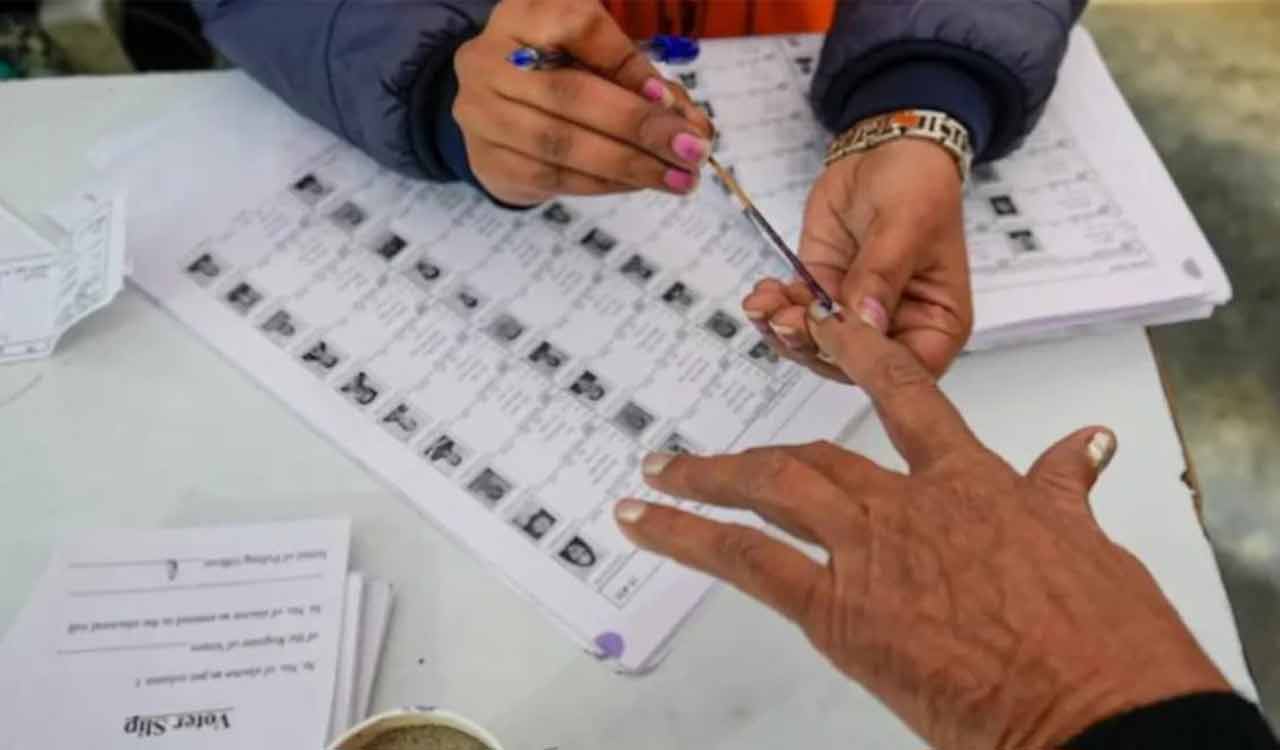
With nominations filed in 2,996 wards across 116 municipalities and seven municipal corporations, and withdrawals completed on Tuesday, 12,993 candidates remain in the fray. While officials are busy with poll arrangements, political parties are scrambling to contain rebels, manage caste and community equations, and mobilise urban voters who often influence broader constituency politics.
For the ruling Congress, the polls have become a performance test for its MLAs. Chief Minister A Revanth Reddy and Cabinet colleagues have lined up rallies across the State, focusing on governance and urban development promises. However, internal dissent has surfaced as disgruntled aspirants are contesting as independents in several towns, raising fears of vote splits. Further, considering the party’s recent performance in the panchayat elections, the Chief Minister has placed the onus of winning the elections on the Ministers and the MLAs.
The BJP, which is eyeing urban expansion, is mounting a high-profile campaign with national backing. Senior leaders, including BJP national president Nitin Nabin, Union Home Minister Amit Shah and alliance partner Jana Sena Party president Pawan Kalyan, are expected to address meetings as the party seeks to position itself as an alternative to both the Congress and the BRS, hoping to trigger triangular contests in key municipalities.
Meanwhile, the BRS has entered the fray with renewed energy. Party leaders cited its control of over 4,000 gram panchayats in recent rural local body polls as evidence that its grassroots network remains intact despite losing power in the Assembly. That performance has boosted cadre morale and is being projected as proof of sustained voter connect.
A key psychological boost for the BRS cadre came from the recent public appearance of party chief and former Chief Minister K Chandrashekhar Rao following his SIT examination in the phone-tapping case, and the coordinated protests held across the State on the occasion. Though not expected to campaign extensively, Chandrashekhar Rao remains the principal strategist behind the campaign.
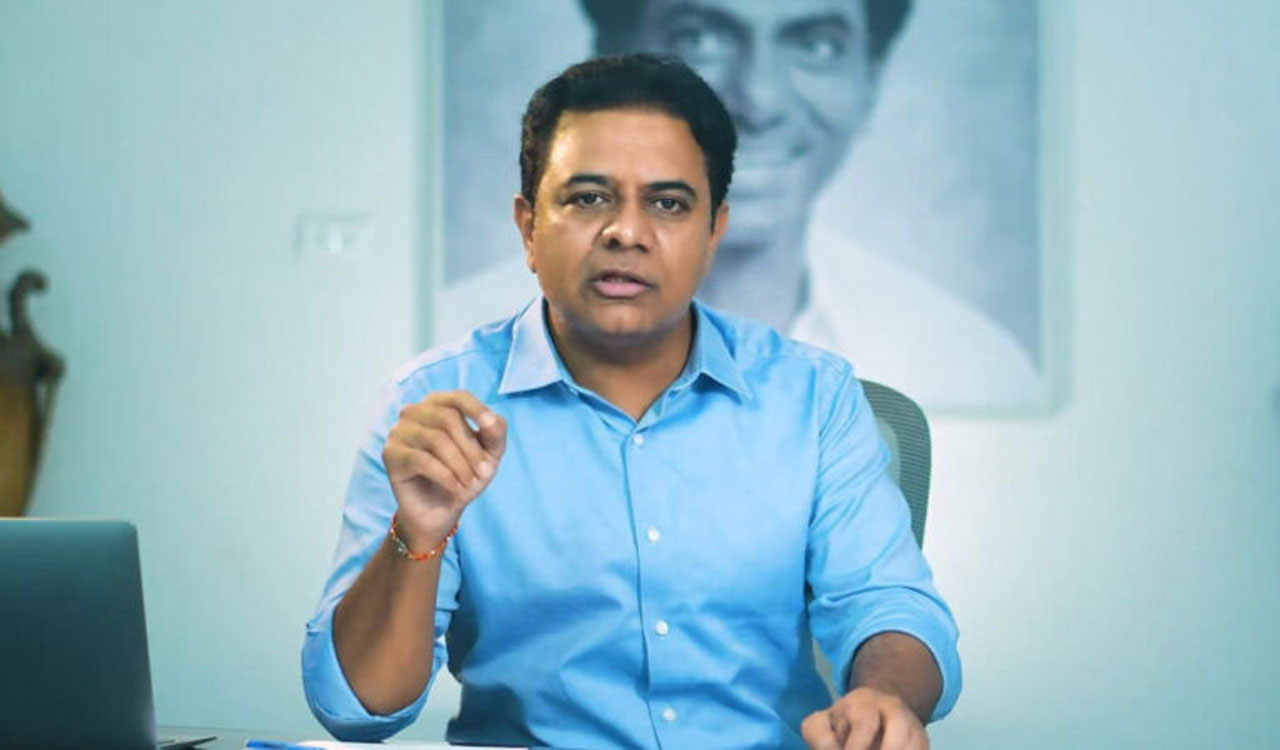
Senior leaders like KT Rama Rao and T Harish Rao have been tasked with leading outreach programmes, roadshows and cadre meetings. Other senior leaders appointed as coordinators have been told to reinstate aspirants who withdrew nominations and strengthen booth-level management. District leaders and local MLAs are submitting ground reports to guide the deployment of senior campaigners in the final phase.
Strategically, the BRS has also succeeded in minimising rebel damage by accommodating long-time local leaders and negotiating withdrawals in advance. Party insiders said this has helped avoid the scale of internal rebellion seen in rival camps.
The party has also sharpened its political messaging, launching a campaign around the proposed reorganisation of districts and alleging that a Congress victory could dilute newly formed districts and affect subsequent development. By linking civic polls to district identity, the party is attempting to tap into local sentiment, particularly in district headquarters.
Positioning the elections as a referendum on the Congress government’s two-year tenure, the BRS has rolled out a tightly coordinated strategy. Working president KT Rama Rao had recently urged cadres to take the government’s alleged failures directly to voters. The party cadre was asked to convert local discontent into increased voting for BRS in urban local bodies.
Coordination has been made a central pillar of the BRS approach. Senior party leaders have been tasked with micro-managing constituencies, while municipal coordinators are working ward by ward to consolidate cadre strength and neutralise rebel damage. Apart from persuading voters to support the BRS, the party is focusing on maximising polling-day turnout among supporters, with coordinators stationed in their assigned towns until voting concludes to ensure booth-level management and quick response to local issues. The party is projecting the municipal elections as an opportunity for voters to corner the Congress government and force it to implement unfulfilled promises.

Related News
-

Hyderabad BTech student drowns in quarry while shooting Instagram reels
-
KTR demands action against Gajwel MRO over alleged remarks to farmer
-
Priyanka Gandhi slams detention of protesters, accuses Centre of undermining democracy
-
Nagole teenager Navjyot earns world record recognition for karate endurance challenge