Telangana stares at drinking water crisis as reserves shrink
Telangana is facing growing drinking water concerns as reservoir stocks and groundwater levels decline amid deficient monsoon rainfall. Several key reservoirs are nearing dead-storage levels, while reduced inflows and depleted tanks could intensify pressure on drinking water supplies in coming months


Hyderabad: Telangana is heading towards a drinking water crisis, with reservoir stocks shrinking rapidly and the El Nino-induced rainfall deficit threatening to leave the State with water reserves for less than three months in several dependent systems. The warning signs are already visible in erstwhile Medak and Mahabubnagar districts, where key reservoirs have slipped towards dead-storage levels, raising concerns over drinking water supplies to Hyderabad and surrounding areas.
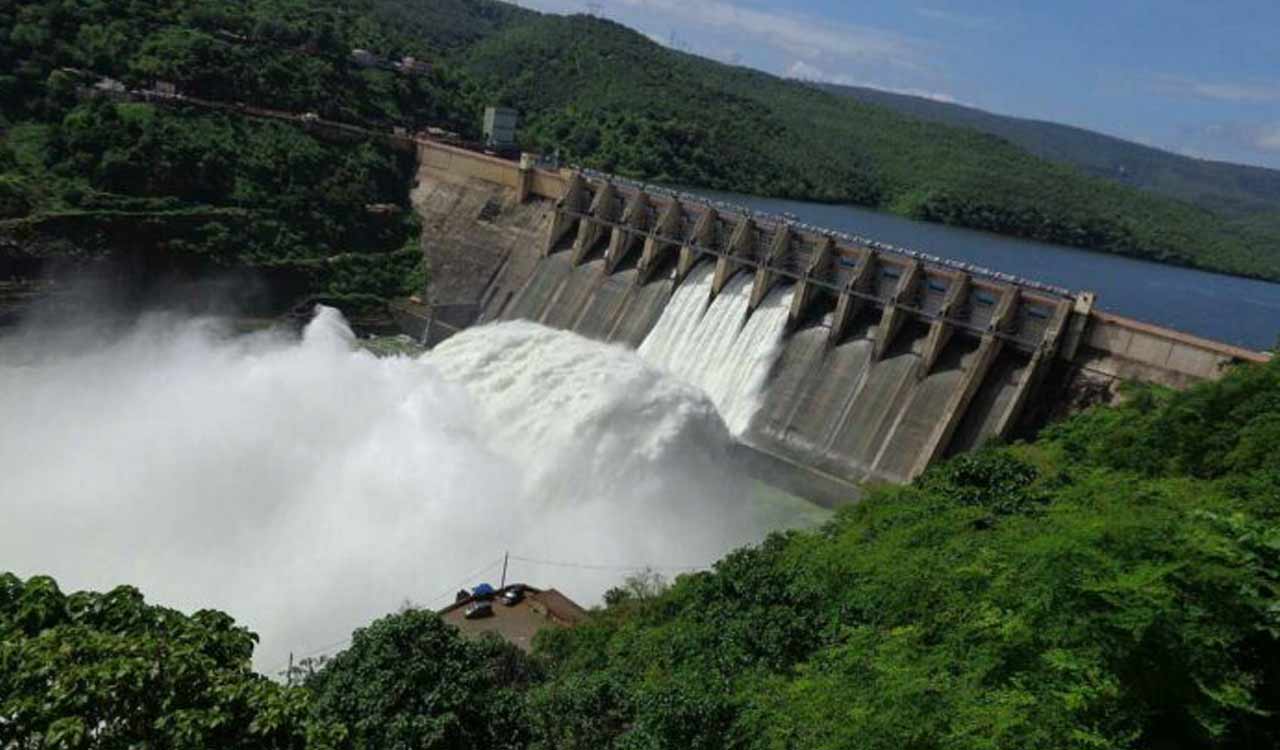
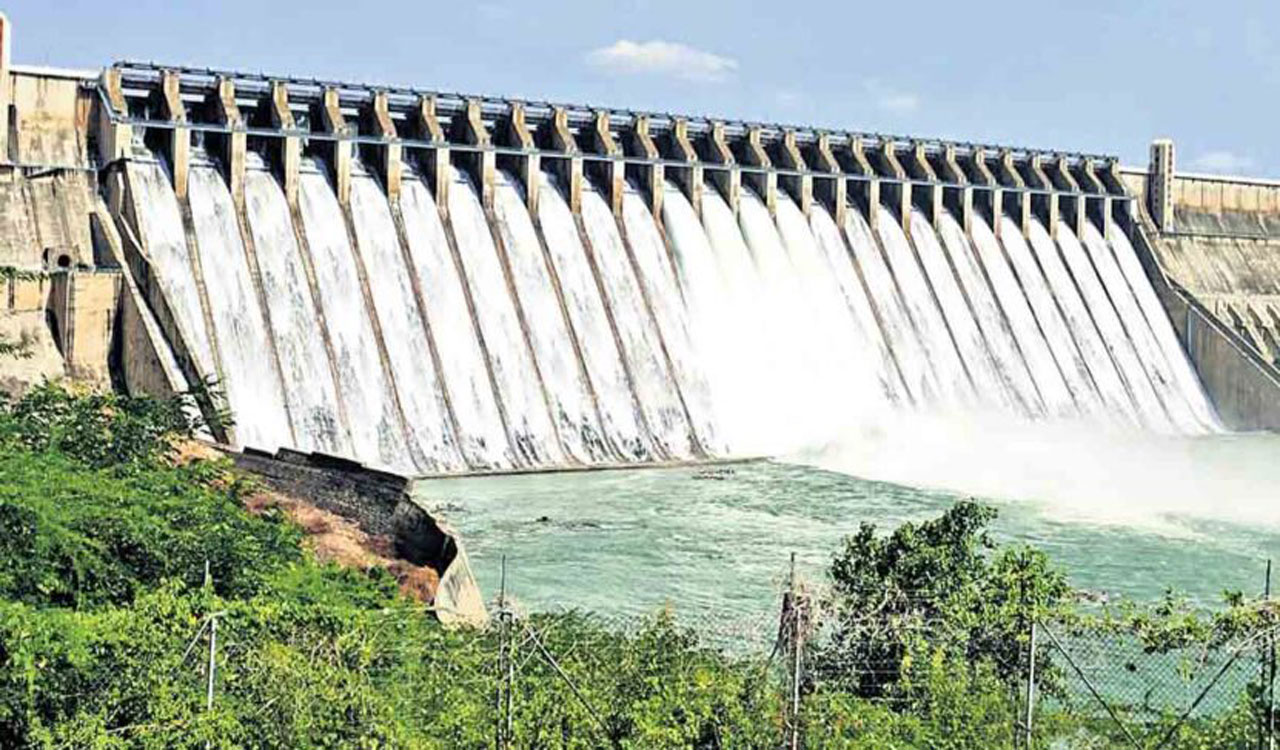
The crisis is no longer confined to irrigation. Live storage in major and medium projects in the Krishna river basin has fallen to around 160 TMCft, against nearly 333 TMCft at the same time last year.
According to sources, the Congress government’s failure to lift adequate water using the existing lift irrigation schemes has also left around 40 per cent of Telangana’s 44,034 tanks holding less than one-fourth of their capacity. The Srisailam and Nagarjunasagar projects, critical to the State’s water security, are carrying substantially less water than last year.
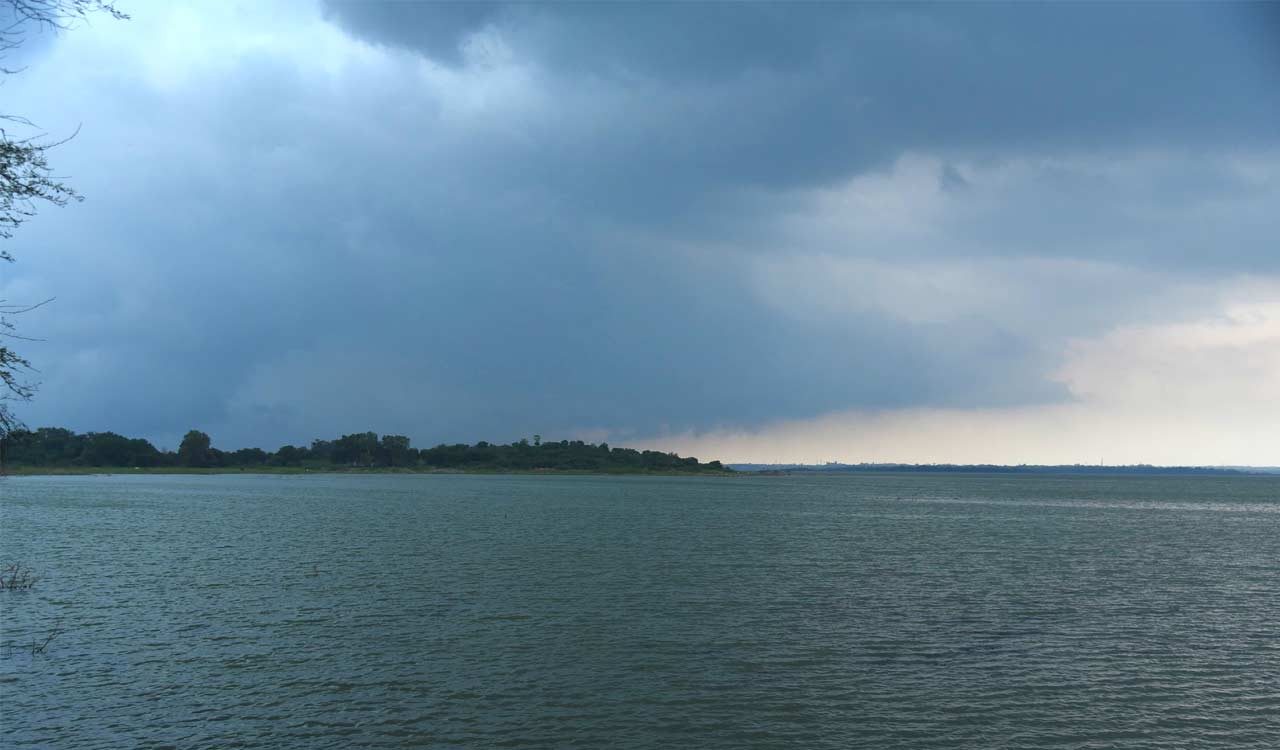
Sources said Singur in Medak district, which normally holds about 17 TMCft at this stage, has only around 4 TMCft, with the available water at dead-storage levels. The Manjeera has virtually dried up. Emergency intake wells are being used at Singur to draw residual water and sustain Mission Bhagiratha supplies.
The situation is particularly worrying because the El Nino impact has already translated into delayed rains and longer dry spells. Rainfall remained deficient in June and August, while the overall rainfall till September 20 was below normal, with a 19 per cent deficit. The resulting poor inflows have reduced the scope for replenishing reservoirs before the next critical drinking-water months.
Telangana received 554.2 mm of rainfall against the normal 688.1 mm during the current southwest monsoon, according to data from the India Meteorological Department (IMD). The IMD Hyderabad indicated ongoing monsoon activity, with heavy rain and thunderstorms forecast across several districts through September.
Worsening the situation, groundwater levels have depleted by an average of more than two metres across the State, from 5.78 mbgl (metres below ground level) in August last year to 7.87 mbgl this year.
Though contingency planning was initiated after repeated warnings of deficient rainfall, the measures have not yet acquired the scale required for a State-wide water emergency. Planning began only in July, months after warnings of El Nino and below-normal rainfall. With drinking water now having to take precedence over irrigation in the coming months, Telangana faces the prospect of emergency water management unless substantial inflows materialise.

Related News