The rush to Antarctica: How much is too much?
Antarctic tourism surged to nearly 125,000 visitors in 2023–24, risking damage to fragile ecosystems. Experts warn numbers could hit 450,000 by 2034. Market-based tools like tourism taxes or visitor caps are proposed to manage growth and protect the continent's environment
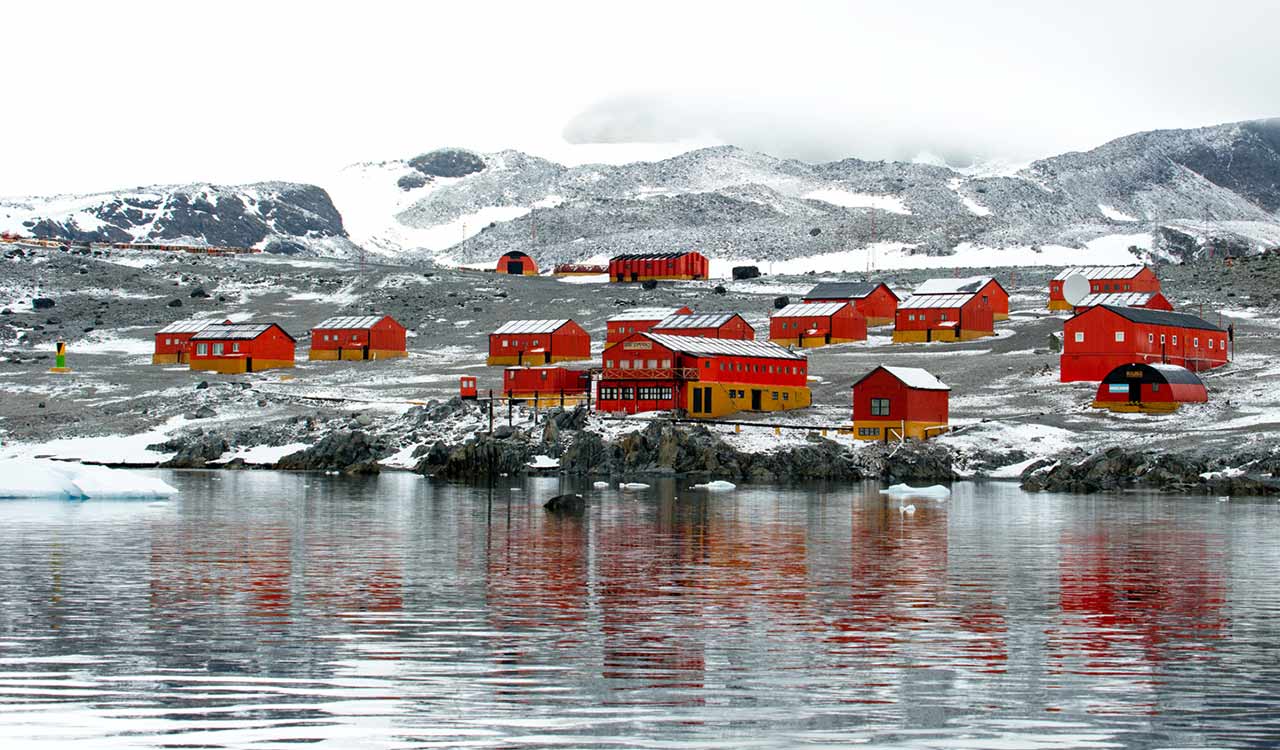


Sydney: The number of tourists heading to Antarctica has been skyrocketing. From fewer than 8,000 a year about three decades ago, nearly 125,000 tourists flocked to the icy continent in 2023–24. The trend is likely to continue in the long term.
Unchecked tourism growth in Antarctica risks undermining the very environment that draws visitors. This would be bad for operators and tourists. It would also be bad for Antarctica – and the planet.
Over the past two weeks, the nations that decide what human activities are permitted in Antarctica have convened in Italy. The meeting incorporates discussions by a special working group that aims to address tourism issues.
It’s not easy to manage tourist visitors to a continent beyond any one country’s control. So, how do we stop Antarctica being loved to death? The answer may lie in economics.
Future visitor trends
We recently modelled future visitor trends in Antarctica. A conservative scenario shows by 2033–34, visitor numbers could reach around 285,000. Under the least conservative scenario, numbers could reach 450,000 – however, this figure incorporates pent-up demand from COVID shutdowns that will likely diminish.
The vast majority of the Antarctic tourism industry comprises cruise-ship tourism in the Antarctic Peninsula. A small percentage of visitors travel to the Ross Sea region and parts of the continent’s interior.
Antarctic tourism is managed by an international set of agreements together known as the Antarctic Treaty System, as well as the International Association of Antarctica Tour Operators (IAATO).
The Treaty System is notoriously slow-moving and riven by geopolitics, and IAATO does not have the power to cap visitor numbers.
Pressure on a fragile continent
About two-thirds of Antarctic tourists land on the continent. The visitors can threaten fragile ecosystems by compacting soils, trampling fragile vegetation, introducing non-native microbes and plant species, disturbing breeding colonies of birds and seals.
Even when cruise ships don’t dock, they can cause problems such as air, water and noise pollution – as well as anchoring that can damage the seabed.
Then there’s carbon emissions. Each cruise ship traveller to Antarctica typically produces between 3.2 and 4.1 tonnes of carbon, not including travel to the port of departure. This is similar to the carbon emissions an average person produces in a year.
Global warming caused by carbon emissions is damaging Antarctica. At the Peninsula region, glaciers and ice shelves are retreating and sea ice is shrinking, affecting wildlife and vegetation.
Of course, Antarctic tourism represents only a tiny fraction of overall emissions. However, the industry has a moral obligation to protect the place that maintains it. And tourism in Antarctica can compound damage from climate change, tipping delicate ecosystems into decline.
Some operators use hybrid ships and less polluting fuels, and offset emissions to offer carbon-neutral travel. IAATO has pledged to halve emissions by 2050 – a positive step.
Can economics protect Antarctica?
Market-based tools – such as taxes, cap-and-trade schemes and certification – have been used in environmental management around the world. Research shows these tools could also prevent Antarctic tourist numbers from getting out of control.
One option is requiring visitors to pay a tourism tax. This would help raise revenue to support environmental monitoring and enforcement in Antarctica, as well as fund research.
Such a tax already exists in the small South Asian nation of Bhutan, where each tourist pays a tax of USD 100 a night. But while a tax might deter the budget-conscious, it probably wouldn’t deter high income, experience-driven tourists.
Alternatively, a cap-and-trade system would create a limited number of Antarctica visitor permits for a fixed period. The initial distribution of permits could be among tourism operators or countries, via negotiation, auction or lottery. Unused permits could then be sold, making them quite valuable.
Caps have been successful at managing tourism impacts elsewhere, such as Lord Howe Island, although there are no trades allowed in that system.
Any cap on tourist numbers in Antarctica, and rules for trading, must be based on evidence about what the environment can handle. But there is a lack of precise data on Antarctica’s carrying capacity. And permit allocations amongst the operators and nations would need to be fair and inclusive.
Alternatively, existing industry standards could be augmented with independent schemes certifying particular practices – for example, reducing carbon footprints. This could be backed by robust monitoring and enforcement to avoid greenwashing.
Looking ahead
Given the complexities of Antarctic governance, our research finds that the most workable solution is a combination of these market-based options, alongside other regulatory measures.
So far, parties to the Antarctic treaty have made very few binding rules for the tourism industry. And some market-based levers will be more acceptable to the parties than others. But doing nothing is not a solution.

Related News