The wisest economist never went to college
What your grandmother understood about money that the world’s most powerful institutions are only rediscovering now


By Chandu Kumar Potti
A wedding in Nellore.
Also Read
The house is full. The cooking started two days ago. Children are running between rooms. The bride is being dressed. Relatives who haven’t spoken in years are sitting together, eating.
In the middle of all this — an old woman sits quietly in the corner.
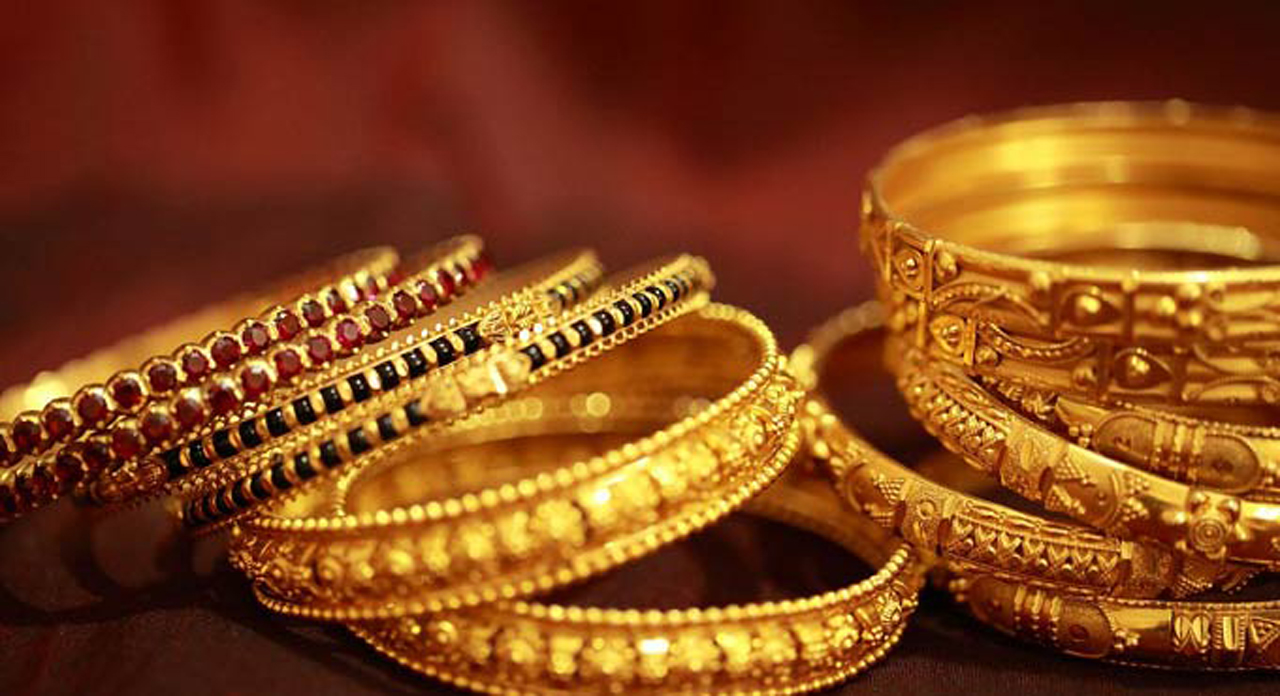
She is watching the gold being placed around her granddaughter’s neck.
Every piece has a history. This chain — her own mother’s. These bangles — saved for thirty years. This necklace — sold and remade twice over difficult decades.
She is not counting. She is transferring.
Real wealth. From her hands to the next generation. The kind that will still be wealth twenty years from now — when the notes in everyone’s wallets will buy a fraction of what they buy today.
She doesn’t know the word inflation. She has never heard of the Federal Reserve. She cannot explain Nixon’s 1971 decision or the Bretton Woods agreement.
She just knows — from watching her own mother, and her mother’s mother — that paper fades. Gold doesn’t.
What She Actually Understood
Here is what this grandmother knows that most economists spend careers trying to prove: Paper money is a promise. Gold is a fact.
A thousand rupee note is a promise by the government that it is worth one thousand rupees. That promise has been quietly broken — year after year — through inflation. The note still says one thousand. But what it buys keeps shrinking.
Gold makes no promise. It simply is what it is.
1947 — 10 grams of gold: Rs. 88.
Today — the same 10 grams: Rs. 1.5 lakh.
The gold didn’t change. The promise on the paper note changed — nearly 1,700 times over.
She was not being sentimental. She was being rational. Mathematics, not tradition, explains what your grandmother understood.
She didn’t need a degree to understand this. She needed a grandmother who understood it before her.
That is how real wisdom travels — not through textbooks, but through generations of lived experience.
The Instinct — Not The Metal
Here is the important thing to understand about what she is doing.
It is not really about gold.
Gold is simply the most available form of something she is instinctively seeking — real value that cannot be manufactured by anyone with a printing press.
If she lived in an era when verified land records were easily transferable — she would hold land.
If she lived in an era when energy capacity could be stored and transferred — she would hold energy.
She holds gold because gold is the most practical, most divisible, most portable form of real value available to her.
The instinct is the wisdom. The gold is just today’s vehicle for that instinct.
This distinction matters. Because the instinct — convert paper into something real before the paper loses more value — is one of the oldest and most enduring monetary instincts in human history.
Every generation that ignored this instinct paid for it.
Every generation that followed it — survived.
What The World’s Most Powerful Institutions Are Doing
Now here is where it gets interesting.
The same central banks that manage the world’s monetary system — the institutions staffed by PhDs, advised by Nobel laureates, armed with the most sophisticated economic models ever built — are quietly doing exactly what this grandmother in Nellore has always done.
They are buying gold. In record quantities.
In 2022, 2023, and 2024 — central banks worldwide purchased over 1,000 tonnes of gold every single year. The highest sustained buying in modern history.
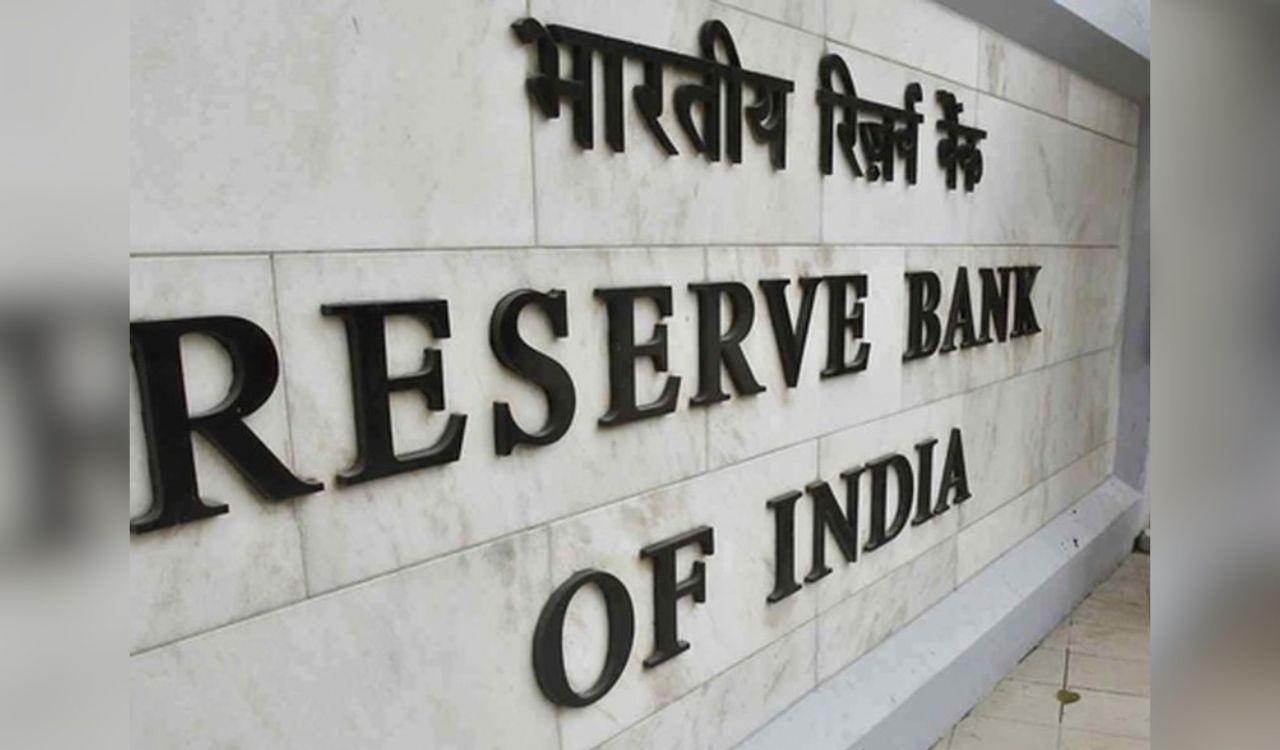
The Reserve Bank of India bought 73 tonnes in 2024 alone — more than four times what it bought the year before.
In June 2024 — India quietly brought 100 tonnes of its gold home from storage in the United Kingdom. The first time since 1991.
China’s central bank has been buying gold every month for years. Poland. Turkey. Ghana. Azerbaijan. 23 countries increased their gold holdings in just the first half of 2025.
These are not small nations making emotional decisions. These are the world’s most sophisticated monetary institutions — making a calculated, deliberate choice.
They are not announcing it loudly. They are not explaining it to their citizens. They are simply — quietly, consistently, month after month — doing what the grandmother in Nellore has always done.
Converting paper into something real.
Why They Won’t Say It Openly
If you ask a central banker whether gold is important — many will give you a careful, qualified answer.
Gold is a legacy asset. It pays no interest. It is illiquid. Modern monetary systems have moved beyond it.
Then they go back to their offices and buy another hundred tonnes.
This gap — between what they say and what they do — is the most revealing fact in modern monetary policy.
It tells you that the people who design and manage the world’s money supply do not fully trust that money supply themselves.
They publicly defend the system. Privately, they hedge against it.
Your grandmother does not have the luxury of sophisticated language. She simply does what she knows to be true. The institution says one thing and does another.
The Question Nobody Asks At A Wedding
The relatives at the Nellore wedding are admiring the gold. Calculating its weight. Estimating its cost. Debating whether the design is traditional enough.
Nobody is asking the deeper question.
Why has gold been present at every Indian wedding — across every dynasty, every invasion, every economic collapse, every change of currency — for thousands of years?
Not because of tradition alone. Tradition follows wisdom. Wisdom comes first.
The wisdom is this — in a world where every monetary system has eventually been cheated, debased, inflated, or cancelled — gold has survived.
Not because it is precious.
Because it cannot be manufactured by anyone with political power and a printing press.
If something has survived every empire’s monetary experiment for five thousand years — what does that tell us about what money really is?
(The author is Founder & Chairman, Versatile Auto Components Pvt Ltd, Versatile Electric Automotive Private Limited, Former Chairman, Pashamylaram Industrial Park and Founding Secretary, Society for Sangareddy Security Council)

Related News