Top wildlife panel cautious on extending voluntary community relocation policy beyond tiger reserves
The Standing Committee of the National Board for Wildlife deferred extending voluntary relocation to wildlife corridors and reclassifying rhesus macaques under the Wildlife Protection Act, citing incomplete relocations, need for further studies, and divided state opinions on managing human-wildlife conflicts


New Delhi: The Standing Committee of the National Board for Wildlife (SCNBWL) has deferred a decision on extending the policy for voluntary community relocation to wildlife corridors and reclassifying the rhesus monkey under the Wildlife Protection Act, calling for further studies and wider consultations.
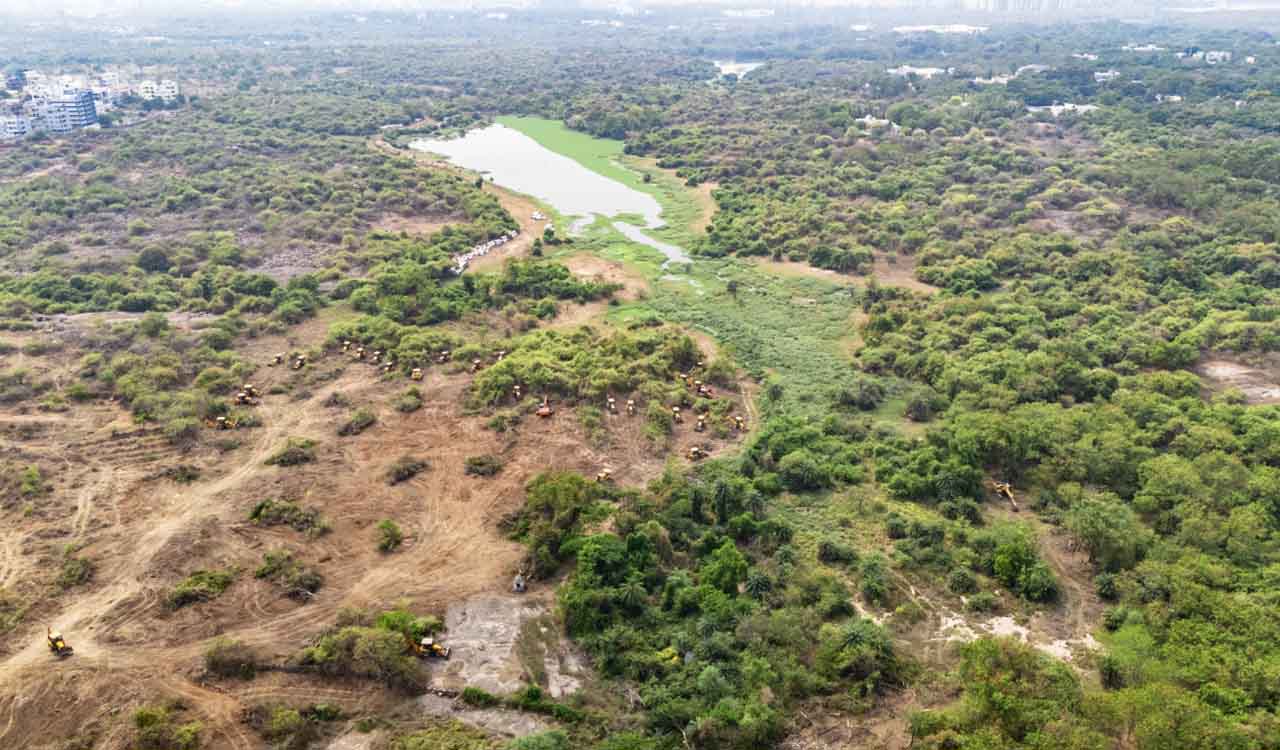
The relocation proposal sought to strengthen “compactness and consolidation of habitat to improve resilience of protected areas” by extending the voluntary relocation policy, currently limited to core areas of tiger reserves, to “communities in critical biodiversity-rich areas, buffer zones and wildlife corridors”.
According to the agenda note, communities living in biodiversity-rich areas or corridors often face recurring issues related to human-wildlife conflict.
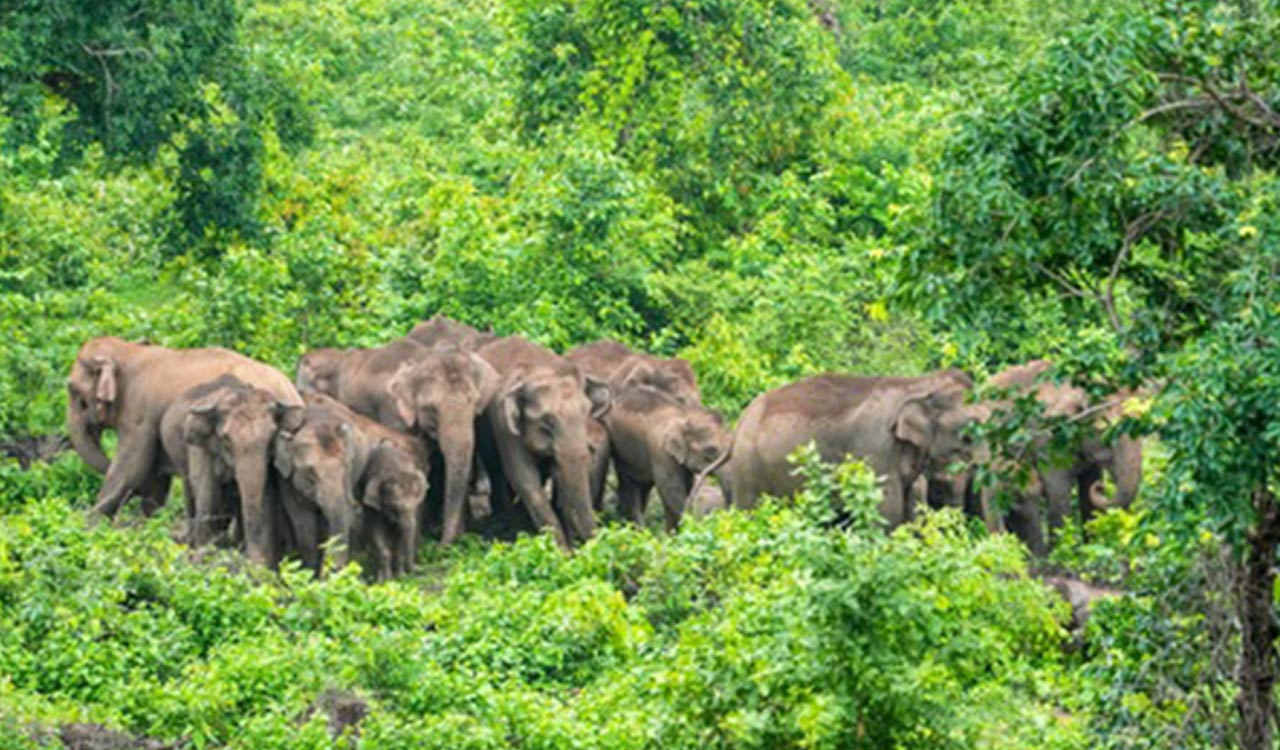
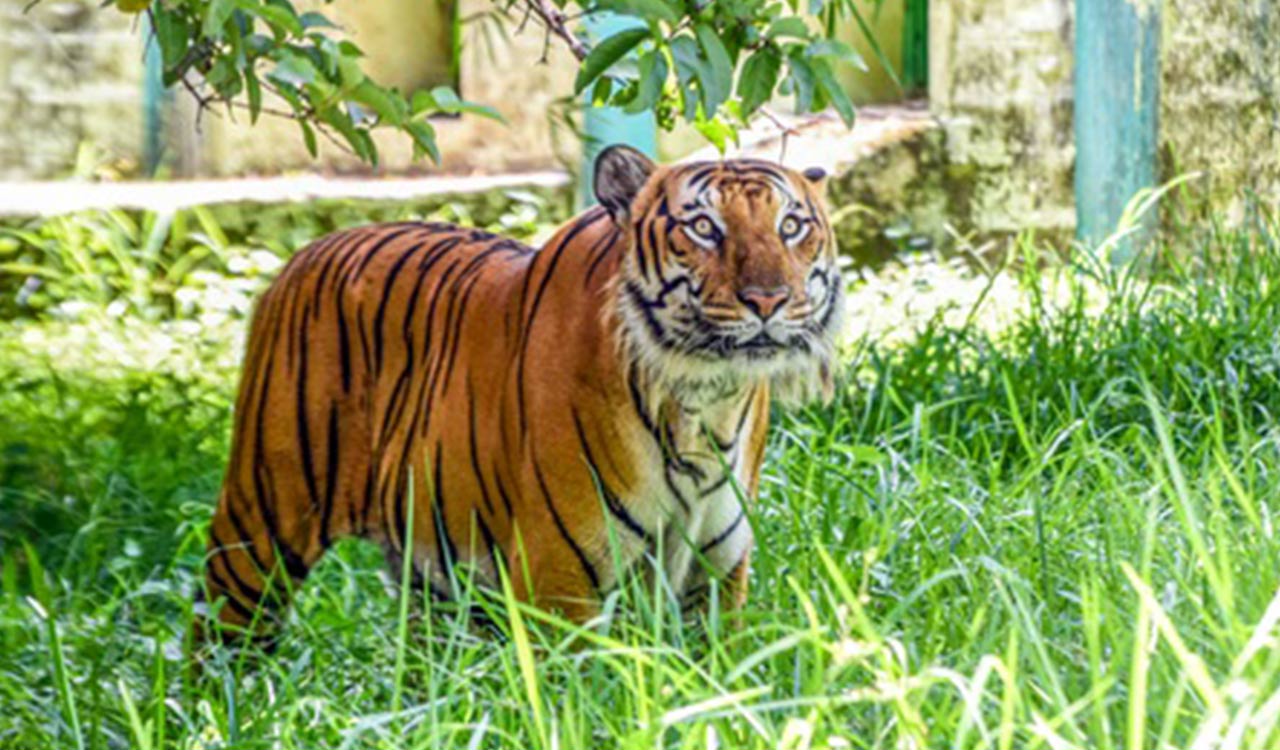
These include the destruction of crops, predation on livestock and sometimes even direct threats to human safety from wild animals such as tigers, leopards and elephants.
It added that many of these families “express a strong desire to move to other areas where they can access better economic opportunities and essential public services. However, the current policy framework does not provide for their voluntary relocation, leaving them in a state of policy neglect”.
During the SCNBWL meeting on August 19, Member Secretary Ramesh Kumar Pandey told the committee that “relocation has not been completed in tiger reserves and 680 protected areas and extending this policy to the corridors would be too premature a step and would be against the philosophy of coexistence”.
According to the minutes of the meeting published on Saturday, he emphasised that the focus should be on “management practices for reducing human wildlife conflict”.
SCNBWL member H S Singh, who had brought the proposal, said during discussions that a demand-driven relocation could be considered.
After due discussions, the committee decided that a “study on the global best practices (from out of the country) on the relocation of communities from protected areas and works done, policy and programmes in place regarding relocation globally should be provided”.
At present, India’s voluntary relocation policy allows families living in core or critical tiger habitats to move out willingly. Each family can either take Rs 15 lakh in cash for self-relocation or opt for government-assisted rehabilitation with land, housing and basic amenities. The scheme aims to reduce human-tiger conflict and aid tiger conservation.
However, many tribal and indigenous communities residing in the core areas claim that the “contentious” and “delayed” implementation of the Forest Rights Act (FRA) 2006 has left them vulnerable to forced eviction.
Under the Forest Rights Act (FRA) 2006, forest-dwelling communities are granted individual and community rights over forest land they have traditionally protected and used.
The SCNBWL also discussed the inclusion of rhesus macaque under a suitable Schedule of the Wildlife Protection Act, 1972. Several states had earlier made representations on this issue.
The agenda note said that Himachal Pradesh, among the worst affected, had argued that the rhesus macaque is a “major source of human-wildlife conflict in Himachal Pradesh, causing crop damage, property destruction, human injuries and disruptions to tourism. Therefore, scientific management of the species is required”.
It warned that the removal of the species from protection had led to the exclusion of its scientific management from the mandate of the wildlife wing, causing increased incidences of human-wildlife conflicts.
The State said this may also lead to a reduction in the number of this species in the long run due to reduced protection afforded to it after being excluded from the Wildlife (Protection) Act, 1972.
At the meeting, however, States remained divided.
The minutes show that chief wildlife wardens of Assam, Maharashtra, Rajasthan, Madhya Pradesh, Telangana, Uttar Pradesh and Punjab opposed the move to place the rhesus macaque in Schedule II of the Wildlife Protection Act, while their counterparts in West Bengal, Uttarakhand and Chhattisgarh supported its inclusion.
Goa and Kerala said that rhesus macaque is not native to their States.
Director General of Forests Sushil Kumar Awasthi said that since opinions were differing in a small group of CWLWs, it is essential to take the opinion of all the states and union territories.
Accordingly, the committee decided to seek reasoned statements from all States and Union Territories by circulating a detailed questionnaire.

Related News