Tummidihatti Barrage: Maharashtra Proposes Joint Committee With Telangana
Telangana and Maharashtra discussed the proposed Tummidihatti Barrage on the Pranahita river. Maharashtra indicated conditional support if its interests remain protected. Devendra Fadnavis proposed a joint committee to examine the barrage height, water availability, submergence and compensation requirements
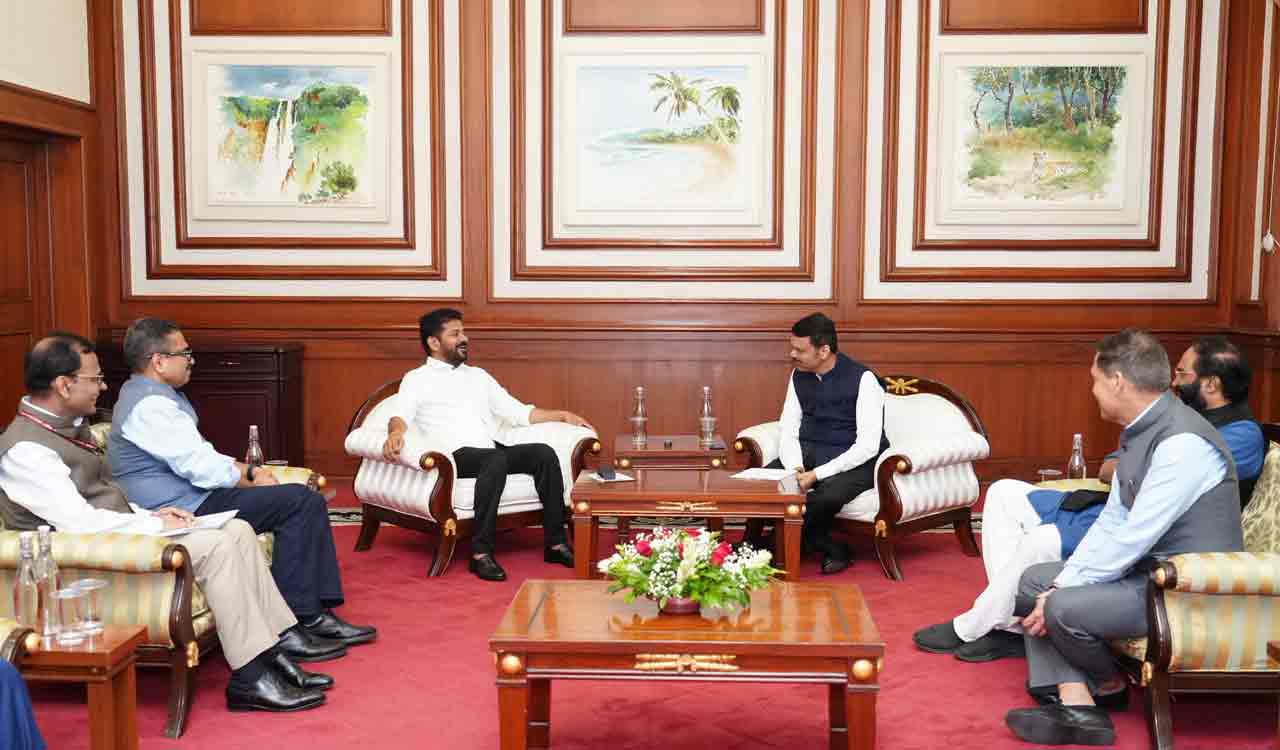


Hyderabad: The Maharashtra government has responded positively to Telangana’s request to construct the Tummidihatti Barrage, provided the project does not adversely affect Maharashtra or its people, the Telangana government said.
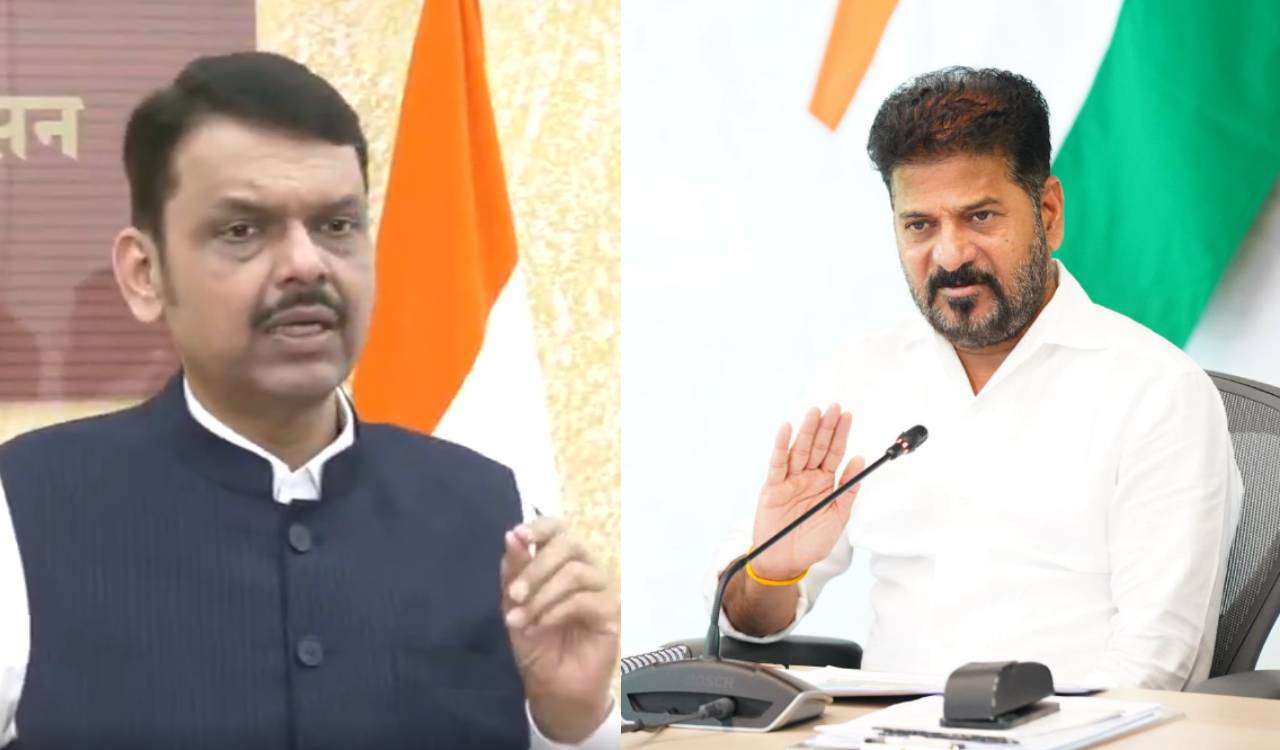
A delegation led by Chief Minister A Revanth Reddy met Maharashtra Chief Minister Devendra Fadnavis in Mumbai on Monday. Irrigation Minister N Uttam Kumar Reddy and senior officials also attended the meeting.
The two sides held detailed discussions on the proposed construction of the Tummidihatti Barrage across the Pranahita river on the Telangana-Maharashtra border.
During the meeting, Uttam Kumar Reddy explained why the 2016 agreement, which proposed a barrage height of 148 metres, would not adequately meet the irrigation needs of the region.
The Minister said challenges relating to energy requirements, power costs, environmental concerns, climate change and long-term operational sustainability made it necessary to explore solutions that would maximise gravity-based water conveyance.
Against this backdrop, he outlined the technical and operational advantages of constructing the barrage at a height of 152 metres. He described the proposal as the most viable solution to meet the region’s water requirements.
Uttam Kumar Reddy also said the Telangana government was willing to compensate farmers in Maharashtra for agricultural land affected by submergence. The compensation would be provided in accordance with Maharashtra’s applicable land acquisition guidelines and compensation policies.
Chief Minister Revanth Reddy urged Maharashtra to cooperate in a spirit of friendship, brotherhood and mutual understanding. He said the larger objective was to develop backward regions and improve the lives of tribal communities.
Fadnavis proposes joint committee
Responding to Telangana’s request, Maharashtra Chief Minister Devendra Fadnavis said several technical, environmental and administrative steps would have to be completed before a final decision could be reached.
“If the project did not adversely affect Maharashtra or its people, his government would have no hesitation in supporting Telangana in meeting its water requirements, in the larger spirit of national interest,” Fadnavis stated.
He said the Central Water Commission (CWC) would continue its technical examinations and studies within its jurisdiction.
Fadnavis also proposed a joint committee of officials headed by the Principal Secretaries of the Irrigation Departments of both states.
The committee would examine the proposed barrage height, water availability, submergence implications, affected agricultural lands, compensation requirements and other technical matters.
It would also assess the concerns of both states regarding the extent of submergence and the possible impact on land and local communities.
Alternative approaches would also be considered where necessary.
Fadnavis suggested that officials and technical experts from both states work together to prepare a clear timeline and roadmap for further discussions and necessary action.
The officials and experts from the two states would decide on subsequent meetings, technical consultations and the way forward.

Related News