Two factions, two directions: TMC rebels face unprecedented political divide
The Trinamool Congress faces a deep internal split, with its legislative faction in West Bengal adopting an anti-BJP stance while a group of Lok Sabha MPs aligns with the NDA. The contrasting positions highlight ideological confusion, organisational fragmentation, and uncertainty over the party’s future direction
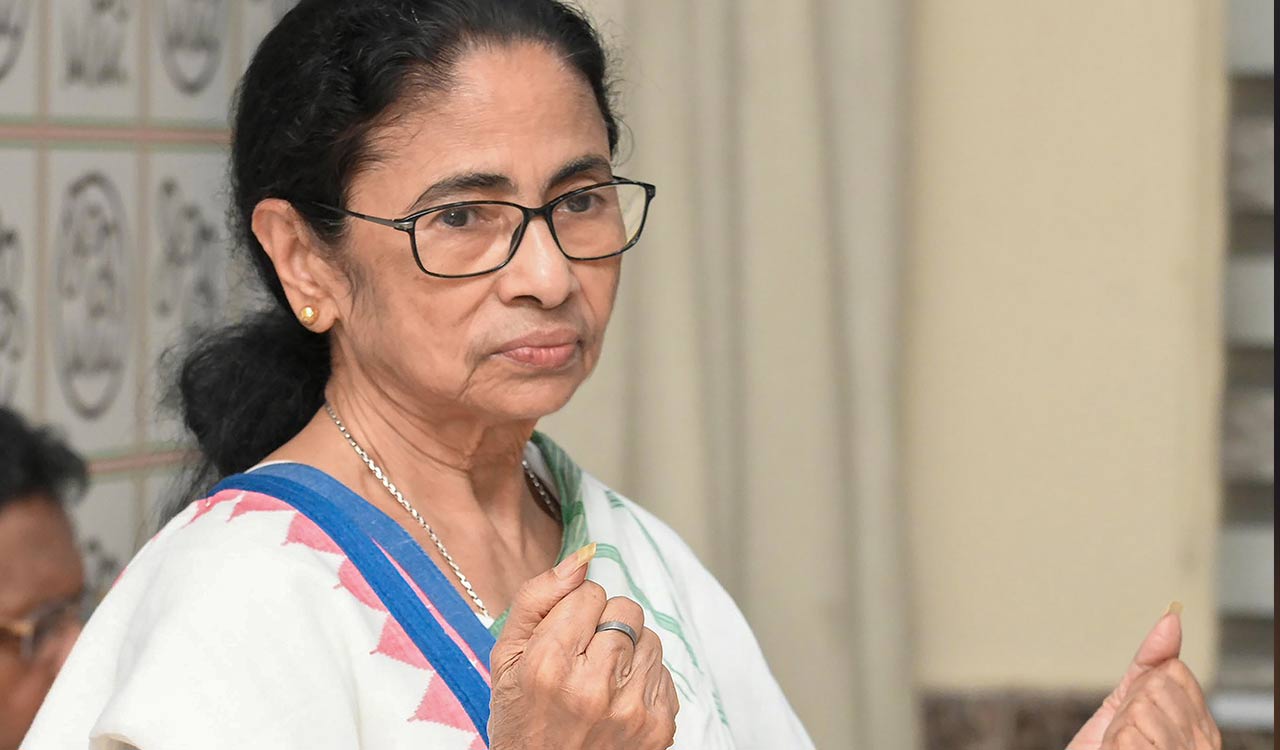


Kolkata: The unfolding crisis within the TMC presents one of the most unusual paradoxes in recent West Bengal history: a simultaneous fragmentation of the party’s legislative and parliamentary wings – each charting sharply divergent ideological directions, yet both claiming to represent the “real” political essence of the organisation.
The majority of MLAs, who formed the breakaway faction of the TMC’s legislative party and secured legitimacy in the state assembly, vowed “constructive opposition” and simultaneously positioned themselves against the BJP’s politics in Bengal, while the rebel Lok Sabha parliamentarians of the party followed suit five days later, only to pledge their allegiance to the BJP-led NDA.
Both factions sought to legitimise their actions by invoking the cause of broader “development of Bengal”, contending that the state’s progress had been “impeded” during the Mamata Banerjee regime.
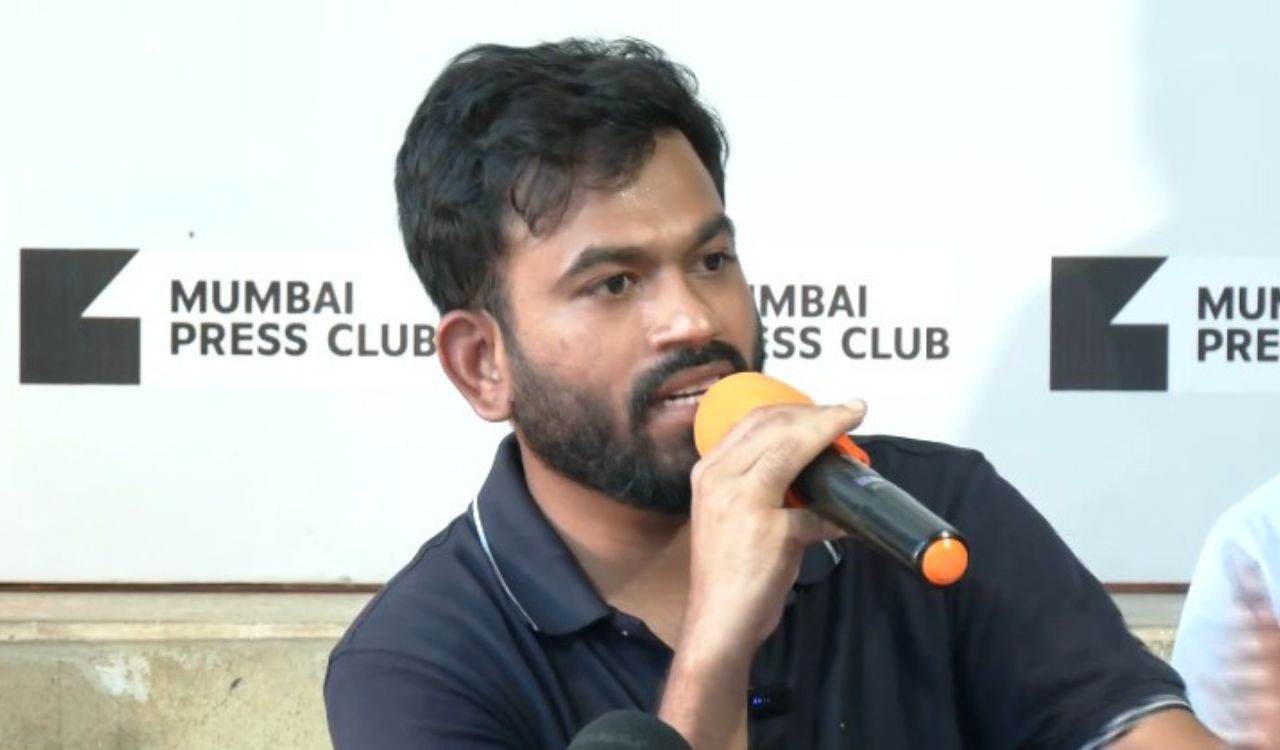
On June 3, expelled MLA Ritabrata Banerjee, backed by a bloc of 58 of 80 TMC legislators – more than the two-thirds needed for legislative identity – secured recognition from Assembly Speaker Rathindra Bose as the Leader of the Opposition, formally crystallising a breakaway faction within the legislature.
The group, while asserting autonomy from the party’s central leadership – mainly its national general secretary Abhishek Banerjee – struck an aggressive political posture, declaring its intent to serve as the principal opposition force in the House.
“We will deliver constructive opposition on the floor of the House, which won’t be opposition for the sake of opposition like before. It will be an opposition for the sake of Bengal’s development. Politically, we will not grant an inch to the BJP,” Ritabrata had told reporters.
Yet just five days later, on June 8, a dramatically similar, yet ideologically divergent, development emerged in Delhi.
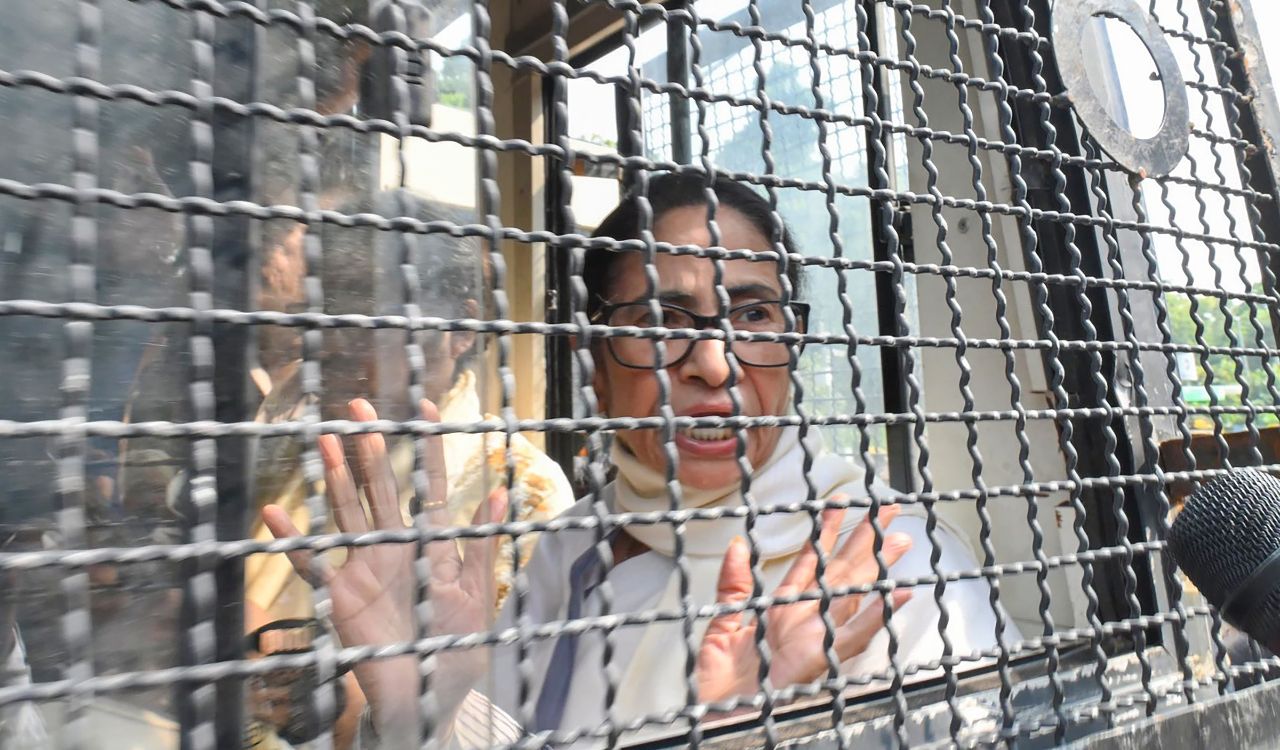
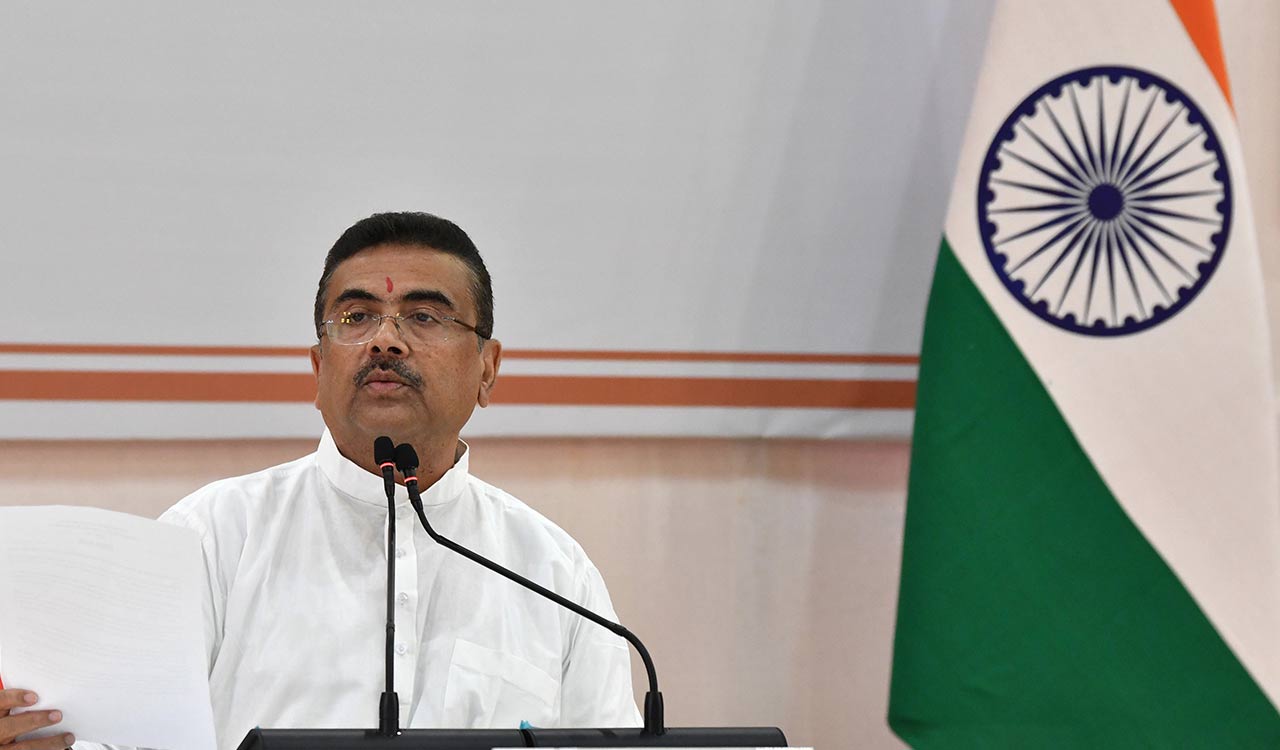
A section of TMC’s parliamentary unit, reportedly comprising 20 of the 28 Lok Sabha MPs led by Kakoli Ghosh Dastidar, submitted a communication to LS Speaker Om Birla expressing alignment with the BJP-led NDA, leaving Mamata Banerjee rudderless in the country’s highest citadel of democracy.
The move signalled a split within the party’s national representation and an unexpected ideological drift towards the ruling coalition at the Centre.
“We have accepted the people’s verdict and believe that our future political course should be aligned with NDA,” Ghosh Dastidar said.
The two developments expose a rare organisational contradiction: one faction of the same party positioning itself as a combative anti-BJP opposition in the state, while another appears to be gravitating toward alignment with the BJP at the national level.
The result is not merely organisational disunity, but a deeper ideological incoherence that risks redefining what “opposition” means within the TMC’s fractured structure.
The contradiction underscores the growing asymmetry between state and national politics in India’s federal party system.
Political analyst Subhomoy Maitra said the explanation to the paradox may lie in the cradle of parliamentary democracy in India.
“The biggest success a party can achieve in our parliamentary democratic system is in its ability to choose both the ruling bloc as well as the opposition,” he said.
Alluding to the broader practice of right-wing politics in India, the analyst opined that the TMC episode illustrated how the same organisational label can simultaneously host resistance and accommodation to the BJP, depending on the power arena.
“A closer look at RSS will reveal that it conducts its politics through a range of fronts. Its approach is not confined to a single party; rather, it is an ideology-driven project embedded within society, of which the BJP is the principal political vehicle,” Maitra said.
He hinged on the broader argument that the RSS does not invest exclusively in the BJP.
“It is often argued that traces of RSS-linked influence can be found across different political formations. Connections between the RSS, Hindu Mahasabha, and sections of Congress have long been discussed, while some critics even describe parties such as AAP and TMC as products of a broader political environment shaped by the RSS.
“Although the RSS and the Left occupy opposite ends of ideological spectrum, the political space between them accommodates a range of actors whose positions can shift according to circumstance,” he said.
This fluidity, Maitra said, allows the same party to exhibit different political manifestations in different contexts.
“In Bengal, for instance, a party may present itself as an opponent of the BJP, while at the national level it may align with or support the NDA on key issues. For a party such as TMC, lacking a coherent ideological foundation and operating from a position outside power, such a multi-layered political existence has become a practical necessity,” he said.
The BJP has little reason to object to this duality. Regardless of TMC’s public posture, observers say, its actions often serve the BJP’s broader political interests.
“The BJP understands that parties constrained by ideological inconsistency and political vulnerability may adopt confrontational rhetoric when required, yet ultimately remain within a framework that does not fundamentally challenge the larger political order,” an observer said. Whether the duality is an isolated tactical deviation or early signs of a structural realignment remains uncertain.
But what is clear is TMC’s internal fragmentation has moved beyond factional noise into a deeper redefinition of political identity – where opposition, alliance, and survival are no longer fixed categories, but competing interpretations of the same party line.
As for 20-odd MLAs and eight MPs who currently comprise Banerjee’s effective strength of lawmakers, analysts say individual political positions could serve as temporary glue.
“A part of the leaders who stayed back are from Congress or have backgrounds in far Left ideals, both of whom are ideologically opposed to the BJP. They may, for now, stay with Mamata for political reasons. But there’s no stopping them from crossing over later,” the observer said.

Related News