
Understanding Neuromuscular Dentistry and Its Role in TMJ Pain Relief
The widespread use of antibiotics for children has resulted in Temporomandibular Joint (TMJ) disorders becoming a growing but underdiagnosed health issue. TMJ disorders can involve the muscles and the jaw joint, causing chronic pain, headaches, chewing problems and even posture issues. The more people become familiar with this, the more complete a diagnosis and treatment a neuromuscular […]
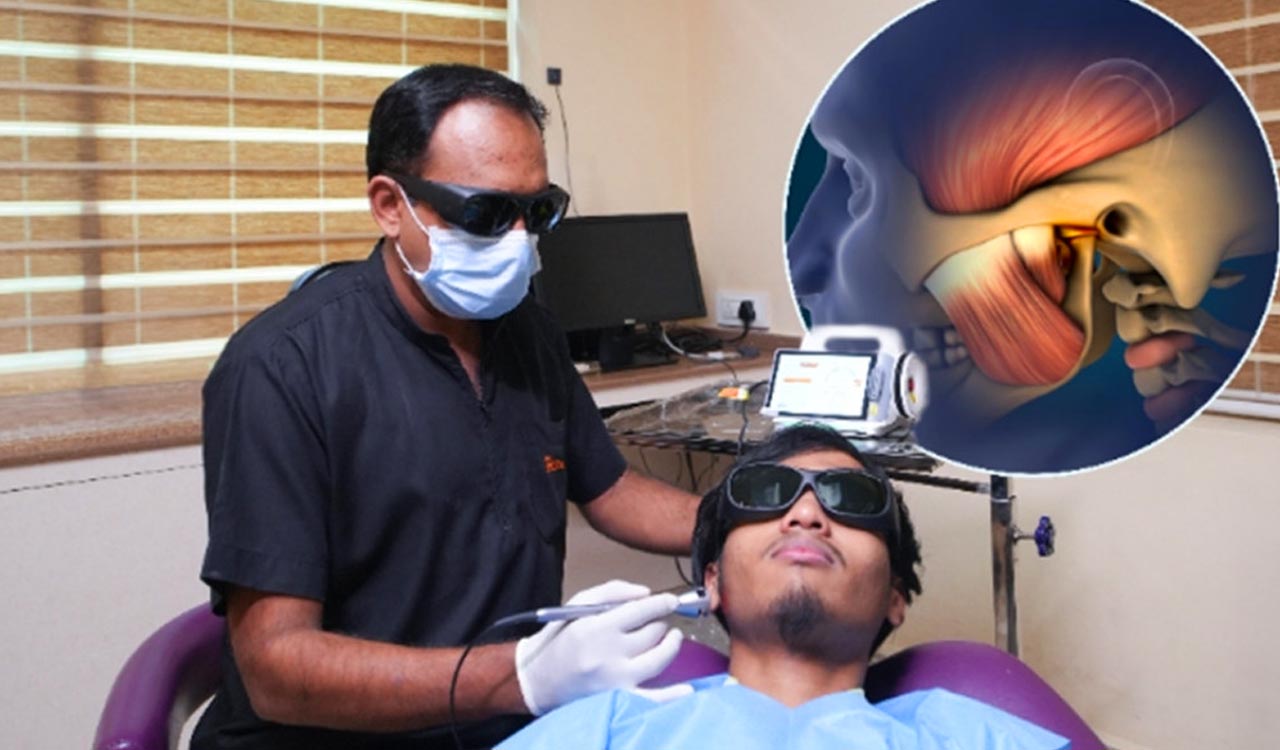


The widespread use of antibiotics for children has resulted in Temporomandibular Joint (TMJ) disorders becoming a growing but underdiagnosed health issue. TMJ disorders can involve the muscles and the jaw joint, causing chronic pain, headaches, chewing problems and even posture issues. The more people become familiar with this, the more complete a diagnosis and treatment a neuromuscular dentist will be able to provide for patients who are experiencing these problems.
In contrast to the traditional dentistry that focuses primarily on the alignment of teeth, neuromuscular dentistry looks at the inter-relationship between the teeth, jaw joints and the muscles. This approach takes into account all of these factors and sets up a healthy, balanced oral relationship, and will work to think about the root of TMJ pain.
Moving towards a functional diagnosis
TMD frequently has multiple symptoms and is often confused with other problems like migraines or ear pain. This can make the diagnosis difficult. Neuromuscular dentistry however takes a different approach, examining the functional aspects of the jaw in addition to its alignment.
With high-tech equipment, practitioners assess the activity of the muscles, positioning of the jaws and bite relationships, to determine imbalances. The idea is to get the jaw balanced in position so that the muscles can relax, and the joint can function without strain.
This can help change the focus from treating symptoms to giving the patient more focused and long-lasting answers to a patient’s ongoing jaw pain, experts say.
Technology in therapy. The impact of technology on therapy
Neuromuscular dentistry has been greatly influenced by the advancement of technology. EMG (electromyography), a tracking system for the movement of the jaw and digital imaging are used to measure muscle activity and jaw movement precisely.
With these technologies the dentist is able to see how the jaw moves in real time, and then develop a treatment to restore balance. Corrective procedures, bite correction and orthotics can all be used as a means of treatment.
There are techniques which aim to relax the tension in the muscles, align the jaw, relieve pain, but do not include invasive treatments.
There is a growing awareness of TMJ-related problems
In recent years, more people are coming to seek treatment for their TMJ symptoms. Stress, poor posture and lifestyle choices are all causing an increase in cases.
Even so, knowledge of TMJ and options for treatment are low. A large number of people still use pain relievers to manage the pain, but they don’t work at treating the cause of the pain.
It is becoming more and more important in healthcare to diagnose early and treat this disease with a multidisciplinary approach, including dental treatment, physiotherapy and lifestyle modification.
Clinical perspective and changing practice
Dr. Shailaja Reddy at FMS Dental is one such practitioner, who has significantly contributed to this dynamic field of dentistry by incorporating the latest in dental diagnostic tools into routine dental practice
He emphasizes the need to appreciate the functional nature of TMJ disorders instead of a structural basis. “TMJ pain is often misunderstood and underdiagnosed. A neuromuscular approach allows us to identify the root cause by evaluating how the jaw and muscles function together, rather than just looking at the teeth,” he said.
Dr. Reddy also emphasizes the importance of technology in enhancing treatment outcomes. “With the help of advanced diagnostic tools, we can measure muscle activity and jaw movement with precision. This helps in designing treatments that are more personalised and effective for long-term relief,” he added.
His compositions reflect the changing face of dentistry; a patient-centred approach, tailored treatments and insight benefiting from data.
Using evidence to incorporate care to improve outcomes
Treatment of TMJ disorders may often involve more than just dental treatment. Stress Management, correction of posture and lifestyle modifications are also important factors in treatment outcomes.
Dr. Shailaja Reddy noted, “Addressing TMJ disorders is not limited to dental treatment alone. It requires a comprehensive approach that includes patient awareness, behavioural changes, and, when needed, collaboration with other healthcare professionals.”
This holistic approach is becoming more popular as more practitioners understand the interconnectedness of oral health and overall health.
Conclusion
Neuromuscular dentistry is an important breakthrough in the diagnosis and therapy of TMJ disorders. It focuses on the motion of the jaw, muscles and teeth to ensure a more comprehensive pain relief treatment and an oral health long-term solution.
This will be promoted as awareness increases and more people will adopt this to offer their patients better, more lasting treatment. Early diagnosis, and the use of technology and a holistic treatment strategy are part of a broader movement in health care, in which treatment is provided for the underlying cause instead of the symptoms.
The dental profession is ever evolving and the discoveries of professionals like Dr. Shailaja Reddy and Dr. Faisal Zardi at FMS Dental are aiding it.

