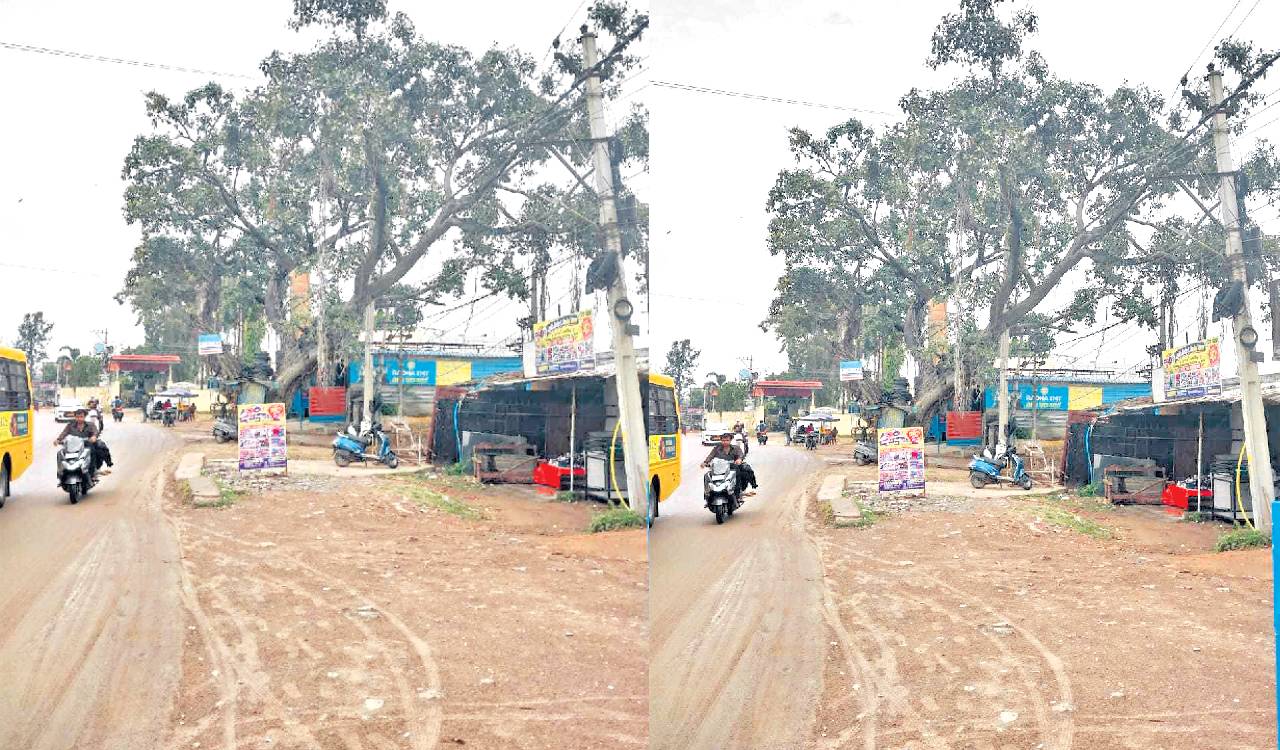
University of Hyderabad’s green cover set to be bulldozed for commercial development
UoH campus is home to over 700 flowering plants, 10 species of mammals, 15 species of reptiles and over 200 species of birds, besides rock formations that date back to over a billion years


Hyderabad: A part of the verdant premises of University of Hyderabad, one of the last surviving green cover and ecologically sensitive zone of the city, is all set to be bulldozed for commercial development.
The State government’s decision to auction 400 acres of land in Kancha Gachibowli is not just a threat to the eco-balance of the university, but could deprive the city of its major urban lung space.
The campus, which is spread across sprawling 2,324 acres, has long been a sanctuary for several endangered bird species, mammals and plants.
As per the information available with the university researchers, the UoH campus is home to over 700 flowering plants, 10 species of mammals, 15 species of reptiles and over 200 species of birds, besides rock formations that date back to over a billion years.
While some commonly sighted mammals include spotted deer, wild boars, porcupines, hare and rabbit, Pangolins have already vanished from campus due to poaching activity. Among reptiles, Russell’s viper, Cobra, Indian Rock Python, Indian Kraits and Monitor lizard thrive on the campus
The university bio-diversity also includes over 200 bird species, several of which are migratory and endangered, including Vultures, Hawks, Storks, Cormorants, Herons, Ibis, Flamingos, Indian Pitta and Pelicans. Verditer flycatcher, a rare migratory bird from the Himalayas, was spotted by the birdwatchers and wildlife enthusiasts on the campus.
Also, the government decision to auction the land affects two water bodies, peacock lake and buffalo lake, along with three other ponds – on which the wildlife flourished.
This area is of special interest for the researchers and scientists alike for its several medicinal and aromatic plants. Alangium salvifolium (has properties to lower BP and increases peristaltic movement of intestines), and Andrographis paniculata Nees, (ayurvedic medicine efficient in liver corrective and protective) are among several medical plants that are found in the university.
The campus is also home to Mushroom Rock, an ancient rock formation, which emerged as a cherished icon of the Deccan’s geological history.
However, the State government decided to replace the natural thriving habitat with high-rise buildings, shopping centres, and office buildings.
Dr Ravi Jillapalli, UoH alumnus and founder Wildlens, who is currently working as research associate with Northwestern University Chicago, argues that any activity in the land will raise pollution, affect the wildlife migratory birds such as Flamingos and Verditer flycatcher. It will destroy the entire rich biodiversity of the university.
“Chief Minister A Revanth Reddy says there is no wildlife on the campus, I ask his cabinet colleagues – D Sridhar Babu, Bhatti Vikramarka, who are university alumni, to correct the record,” he says.
Fauna on UoH campus:
- Peafowl
- Spotted Deer
- Star tortoise
- Flap shells
- Wild boars
- Hare
- Rabbit
- Indian grey Mongoose
- Porcupines
- Monitor Lizards
- Indian Rock Python
- Boa Snakes
- Cobra
- Russell’s Viper
- Krait
- Quails
Some Bird Species:
- Vultures, Hawks
- Grouse, Quail
- Asian Openbill
- Painted Stork
- Cormorants, Anhingas and Pelicans
- Herons, Ibis
Some Medicinal Plants:
- Alangium salvifolium (Lowers BP)
- Azardica indica (treats jaundice, skin diseases)
- Calotropis gigantea (Works as antibiotic)
- Catharanthus roseus (Treats Leukemia, Hodgkin’s disease)
Mushroom rock likely to be two billion-years old
The Mushroom rock formation on the University of Hyderabad campus, according to Society to Save Rocks Secretary Frauke Quader, would be at least two billion year-old.
Speaking to ‘Telangana Today’, Frauke said the rock was formed from the earth crust, which was two billion years ago. “This is one of the unique rock formations in Hyderabad. The TGIIC informed us that the Mushroom rock will be protected and landscaped,” she said.
According to Frauke, any construction activity surrounding the rock could be a threat for the ancient formation. “There is a chance of rock getting disturbed due to large scale vibrations that come due to construction activity. It should be ensured that no construction activity takes place round the Mushroom rock,” she added.
5
Related News
-

Few surviving banyans on Chandrayangutta-Pahadishareef road evoke memories of old Hyderabad
-
UoH team develops new alloys for stronger medical implants
-
University of Hyderabad interacts with Australian university delegation
-
Six-lane Allwyn-Miyapur flyover project threatens over 350 trees in Cyberabad