US shifts India, UK, EU to 10 per cent tariff after court ruling
After the Supreme Court restricted emergency tariff powers under IEEPA, the Trump administration imposed a temporary 10 per cent global tariff under Section 122. Existing Section 232 and Section 301 duties remain in force as alternative legal measures are pursued.
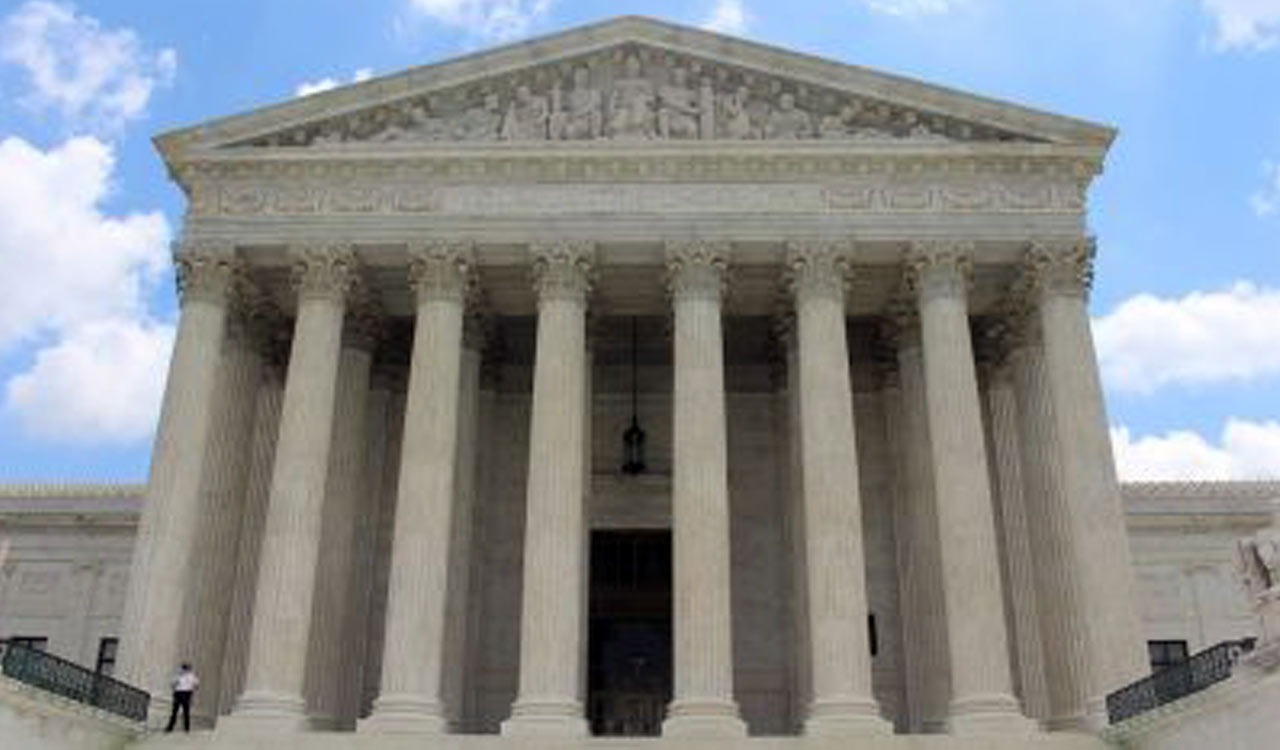


Washington: Countries that struck trade deals with President Donald Trump — including India, the United Kingdom, the European Union, and Japan — will temporarily face a uniform 10 per cent tariff following the Supreme Court’s decision restricting the administration’s use of emergency tariff powers under the International Economic Emergency Powers Act (IEEPA), the White House said
“SCOTUS (Supreme Court of the United States) ruled that the President cannot impose tariffs using the IEEPA legal authority,” a White House official said after President Trump signed a new order in this regard following the apex court striking down his IEEPA authority.
The official added that countries that had negotiated trade arrangements with Trump “were being tariffed by the Administration using the IEEPA legal authority.” With that authority no longer applicable, “those countries will now be tariffed at the global 10 per cent tariff using the Section 122 legal authority.”
The change is temporary, the White House said.
“This is, however, only temporary as the Administration will be pursuing other legal authorities to implement more appropriate or pre-negotiated tariff rates,” the official stated. “Until then, we expect all countries to continue abiding by their trade deal commitments on reducing trade barriers and other concessions, which have not changed.”
The clarification confirms that the newly announced 10 per cent global surcharge under Section 122 replaces the earlier IEEPA-based tariffs for now, but does not alter the substance of negotiated trade commitments.
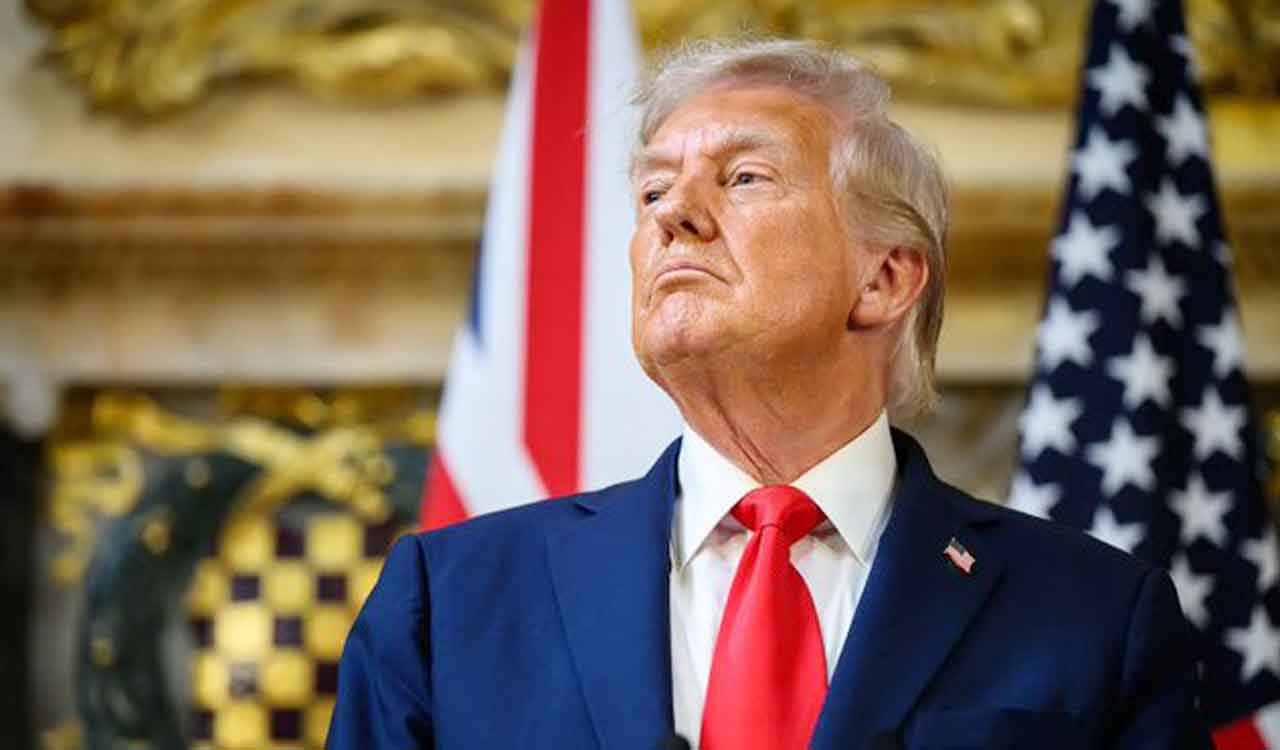
Earlier in the day, Trump reacted sharply to the Supreme Court ruling, calling it “deeply disappointing” and saying he was “ashamed of certain Members of the Court.”
“I would like to thank and congratulate Justices Thomas, Alito, and Kavanaugh for your Strength, Wisdom, and Love of our Country,” Trump wrote, adding that dissenting opinions showed there was “no way that anyone can argue against them.”
He accused the majority of being influenced by outside forces, writing: “It is my opinion that the Court has been swayed by Foreign Interests, and a Political Movement that is far smaller than people would think.”
Trump argued that while the Court struck down his use of IEEPA tariffs, it left other trade authorities intact — and potentially stronger.
“The Supreme Court did not overrule TARIFFS; they merely overruled a particular use of IEEPA TARIFFS,” he said. He added that alternative statutes “are even stronger than the IEEPA TARIFFS” and that “a President can actually charge more TARIFFS than I was charging in the past.”
He announced that “effective immediately, all National Security TARIFFS, Section 232 and existing Section 301 TARIFFS, remain in place,” and confirmed he would impose “a 10 per cent GLOBAL TARIFF, under Section 122, over and above our normal TARIFFS already being charged.”
In a statement, Ambassador Jamieson Greer said the Court’s decision “affects one element of the Administration’s successful work to reorient the global trading system to benefit American workers and businesses.”
Greer said the President’s use of IEEPA had been “a necessary and appropriate tool” to address “the fentanyl, immigration, and trade deficit crises,” and argued that progress had been made. Between April 1 and December 31, 2025, “the trade deficit in goods has declined 17 per cent,” he said.
The administration outlined a series of steps to maintain continuity, including: Immediately imposing a temporary 10 per cent surcharge under Section 122. Initiating several new Section 301 investigations into “unjustifiable, unreasonable, discriminatory, and burdensome acts.” Continuing ongoing Section 301 probes involving Brazil and China and maintaining existing Section 232 tariffs tied to national security.
Greer noted that the Supreme Court ruling addresses “only President Trump’s Reciprocal and Fentanyl Tariffs,” and said “extensive tariffs” under other authorities remain in place.
Existing Section 301 tariffs on China range from 7.5 per cent to 100 per cent, depending on the product, while Section 232 tariffs range from 10 per cent to 50 per cent and cover roughly 30 per cent of US imports.
A White House fact sheet issued Friday said the temporary import duty would last 150 days and take effect February 24 at 12:01 a.m. The document said the measure is designed to address “fundamental international payment problems” and rebalance trade relationships.
Certain goods will be exempt from the temporary duty, including critical minerals, pharmaceuticals, certain electronics, passenger vehicles, aerospace products, and informational materials, according to the fact sheet.
The administration also reaffirmed that US trade partners are expected to honour their legally binding agreements despite the change in legal authority.
“Our partners have been responsive and engaged in good-faith negotiations and agreements despite the pending litigation, and we are confident that all trade agreements negotiated by President Trump will remain in effect,” Greer said.

Related News
-

US lawmakers warn banks, ports of congressional probe over Russian diesel imports
-
Telangana-origin Republican Saritha Komatireddy invokes Usha Vance in New York Attorney General race
-
Midterm polls paint grim picture for Trump, Senate race remains too close to call
-
Editorial: Brazil’s poll outcome a blow to Trump