Viral violent videos on social media skewing young people’s sense of world
The viral spread of Charlie Kirk’s assassination video highlights growing concerns about unfiltered violent content on social media. Experts warn of serious impacts on young users’ mental health, urging platforms and regulators to act decisively to curb harm and enforce safety


When news broke last week that US political influencer Charlie Kirk had been shot at an event at Utah Valley University, millions of people around the world were first alerted to it by social media before journalists had written a word.
Rather than first seeing the news on a mainstream news website, footage of the bloody and public assassination was pushed directly onto audiences’ social media feeds. There weren’t any editors deciding whether the raw footage was too distressing, nor warnings before clips auto-played.
Australia’s eSafety commissioner called on platforms to shield children from the footage, noting “all platforms have a responsibility to protect their users by quickly removing or restricting illegal harmful material”.
This is the norm in today’s media environment: extreme violence often bypasses traditional media gatekeepers and can reach millions of people, including children, instantly. This has wide-ranging impacts on young people – and on society at large.
A wide range of violence
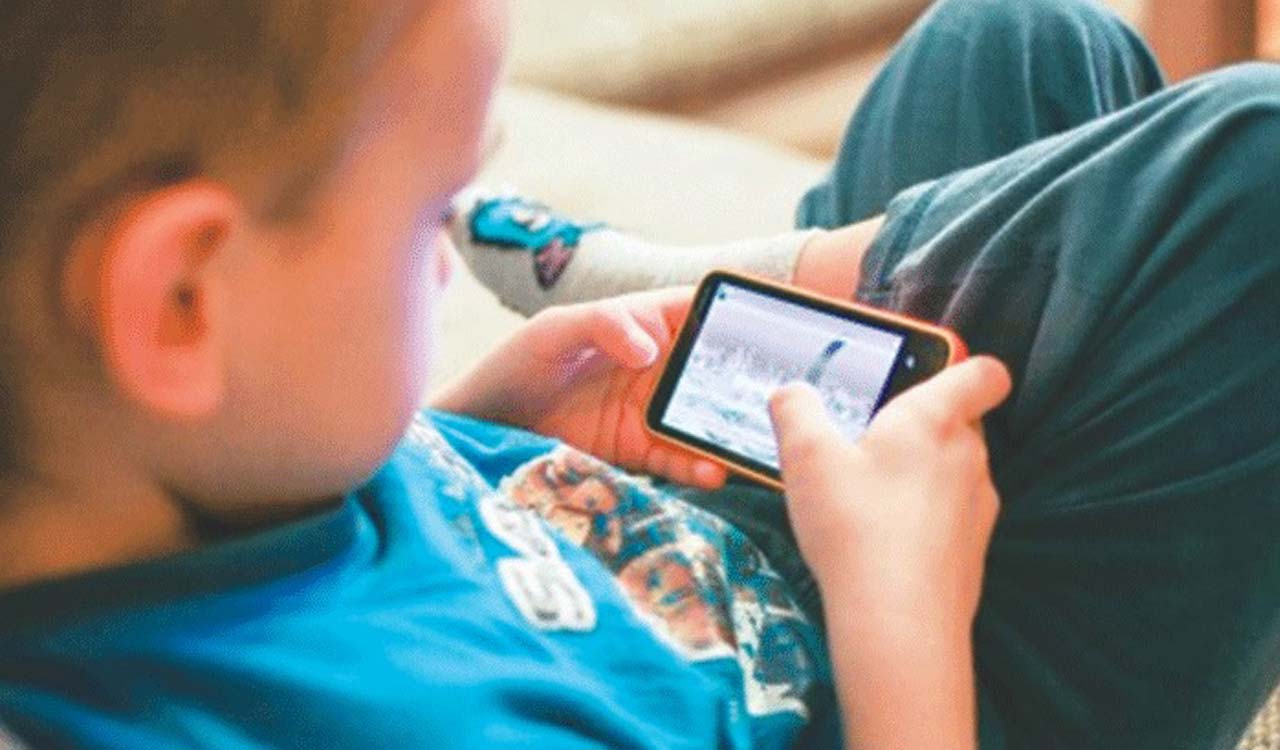
Young people are more likely than older adults to come across violent and disturbing content online. This is partly because they are more frequent users of platforms such as TikTok, Instagram and X.
Research from 2024 from the United Kingdom suggests a majority of teenagers have seen violent videos in their feeds. The violence young people see on social media ranges from schoolyard fights and knife attacks to war footage and terrorist attacks.
The footage is often visceral, raw and unexpected.
A wide range of harms
Seeing this kind of violent footage on social media can make some children not want to leave the house. Research also shows engaging with distressing media can cause symptoms similar to trauma, especially if the violence feels close to our own lives.
Research shows social media is not simply a mirror of youth violence but also a vector for it, with bullying, gang violence, dating aggression, and even self-directed violence playing out online. Exposure to these harms can have a negative effect on young people’s mental health, behaviour and academic performance.
For others, violent content on social media risks “desensitisation”, where people become so used to suffering and violence they become less empathetic.
Communication scholars also point to cultivation theory – the idea in this case that people who consume more violent content begin to see the world as potentially more dangerous than it really is.
This potentially skewed perception can influence everyday behaviour even among those who do not directly experience violence.
A long history of violence
Violence distributed by media is as old as media itself. The ancient Greeks painted their pottery with scenes of battles and slaying. The Romans wrote about their gladiators. Some of the first photographs ever taken were of the Crimean War. And in the second world war, people went to the cinema to watch newsreels for updates on the war.
The Vietnam war was the first “television war” – images of violence and destruction were beamed into people’s homes for the first time. Yet television still involved editorial judgement. Footage of violence was cut, edited, narrated and contextualised.
Seeing violence as if you were there has been transformed by social media.
Now, footage of war, recorded in real time on phones or drones, is uploaded to TikTok or YouTube and shared with unprecedented immediacy. It often appears without any additional context – and often isn’t packaged any differently to a video of, say, somebody walking down the street or hanging out with friends.
War influencers have emerged – people who post updates from conflict zones, often with no editorial training, unlike war journalists. This blurs the line between reporting and spectacle. And this content spreads rapidly, reaching audiences who have often not sought it.
Israel’s military even uses war influencers to “thirst trap” social media users for propaganda purposes. A thirst trap is a deliberately eye-catching, often seductive, social media post designed to attract attention and engage users.
How to opt out of violence
There are some practical steps that can be taken to reduce your chances of encountering unwanted violent content: -turn off autoplay. This can prevent videos from playing unprompted -use mute or block filters.
Platforms such as X and TikTok let you hide content with certain keywords -report disturbing videos or images. Flagging videos for violence can reduce how often they are promoted -curate your feed. Following accounts that focus on verified news can reduce exposure to random viral violence – take a break from social media, which isn’t as extreme as it sounds.
These actions aren’t foolproof. And the reality is that users of social media have very limited control over what they see. Algorithms still nudge users’ attention toward the sensational.
The viral videos of Kirk’s assassination highlight the failures of platforms to protect their users. Despite formal rules banning violent content, shocking videos slip through and reach users, including children.
In turn, this highlights why more stringent regulation of social media companies is urgently needed.

Related News
-

As Instagram Outages Increase, More Users in India Are Saving Videos Before They Disappear
-
Bhagyashree enjoys date night with hubby Himalaya Dassani re kindle the joys of a relationship
-
Wamiqa Gabbi urges people to show greater compassion towards animals
-
Kerry Washington says Ben Affleck would do anything for her except one thing