Delhi HC rules personal income details exempt under RTI Act
The Delhi High Court has ruled that an individual cannot seek a spouse’s income details through the RTI Act, holding that income tax information is personal in nature and exempt from disclosure unless it serves a larger public interest under the law
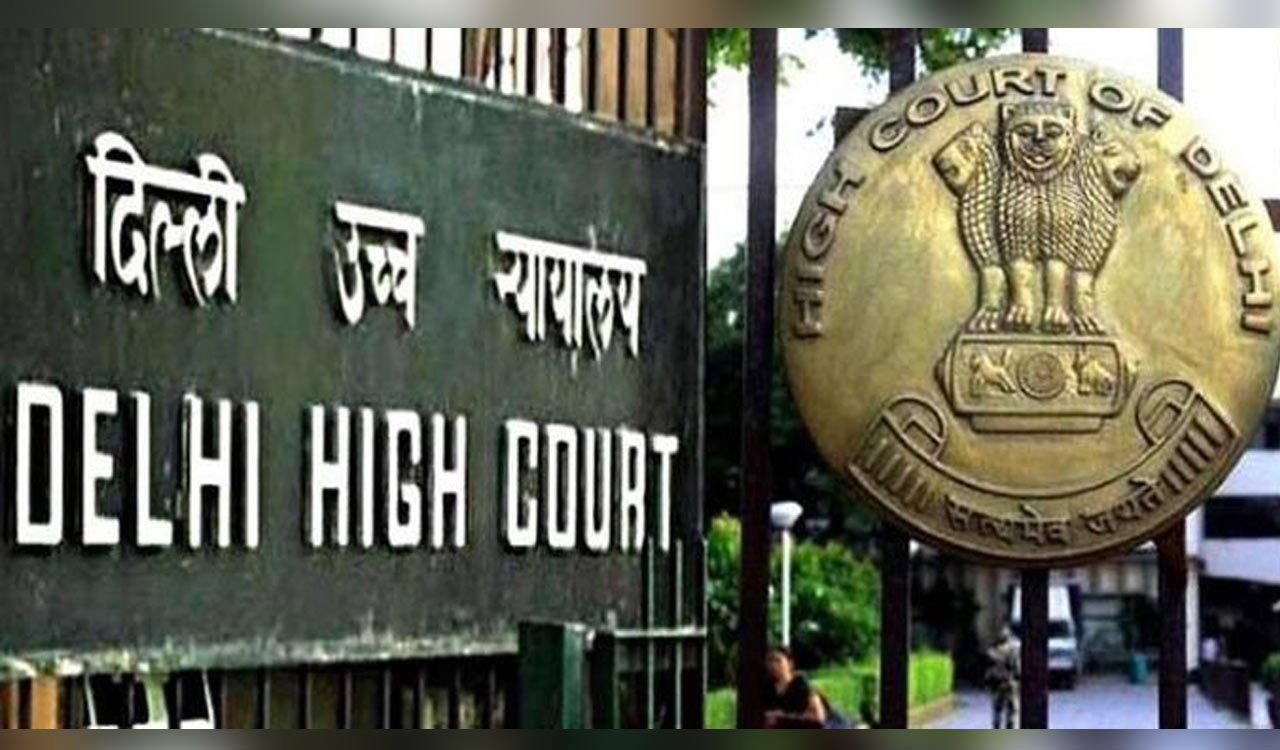


New Delhi: An individual cannot obtain details of their spouse’s income from authorities by filing an application under the Right to Information (RTI) Act, the Delhi High Court has ruled after a wife claimed the information was necessary for proper adjudication of her maintenance claim.
Personal information, unless related to public interest, is exempt from disclosure under Section 8(1)(j) of the Act and, as per the Supreme Court, an individual’s income tax returns fall within that category, Justice Purushaindra Kumar Kaurav said.
The court was dealing with a petition filed by the husband challenging an order of the Central Information Commissioner (CIC) directing the income tax authorities to reveal details of his taxable income for the financial year 2007-08 on an RTI application filed by his estranged wife.
Setting aside the CIC order passed in 2021 as “unsustainable in law”, the high court, in its judgement passed on April 28, said the information sought by the wife was undoubtedly the petitioner’s “personal information”, which could not be directed to be disclosed because it did not fall under the exception of “larger public interest”.
The court said the RTI Act was enacted to promote transparency in the functioning of public authorities and the intent of the legislature could not have been to allow disclosure of individuals’ personal information that has no bearing on the public at large.
The wife argued that the disclosure of the petitioner’s income details under the RTI Act was necessary for proper adjudication of her maintenance claim.
The court, however, said such a contention could not be accepted as there were other legal remedies available to her.
It said the law requires both parties in a maintenance claim to file affidavits of their income, assets and liabilities in order to enable proper adjudication.

Related News
-

Delhi HC asks Kriti Sanon’s counsel to submit research on personality rights
-
Delhi Police assure HC of legal measures to regulate CJP founder’s protest
-
Suryapet named Telangana’s best-performing district in RTI Act implementation
-
Delhi HC seeks decision on body cameras for police, RAF during protests