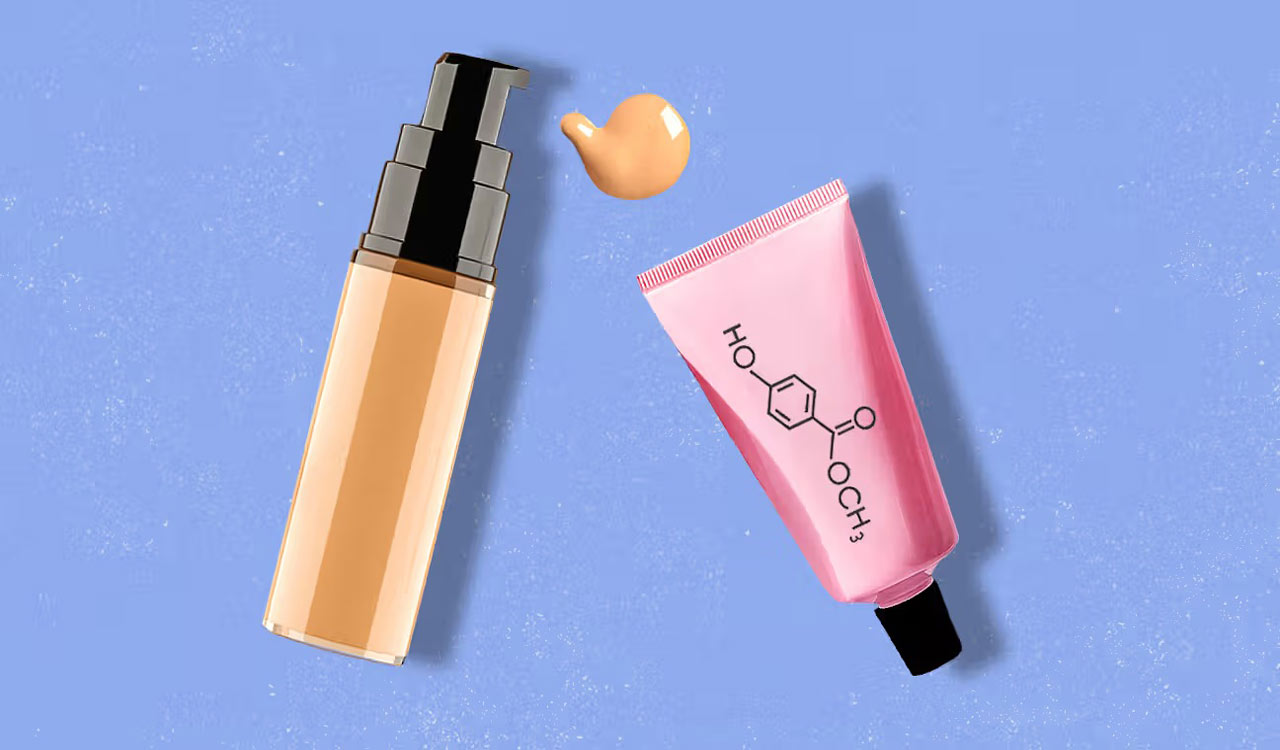
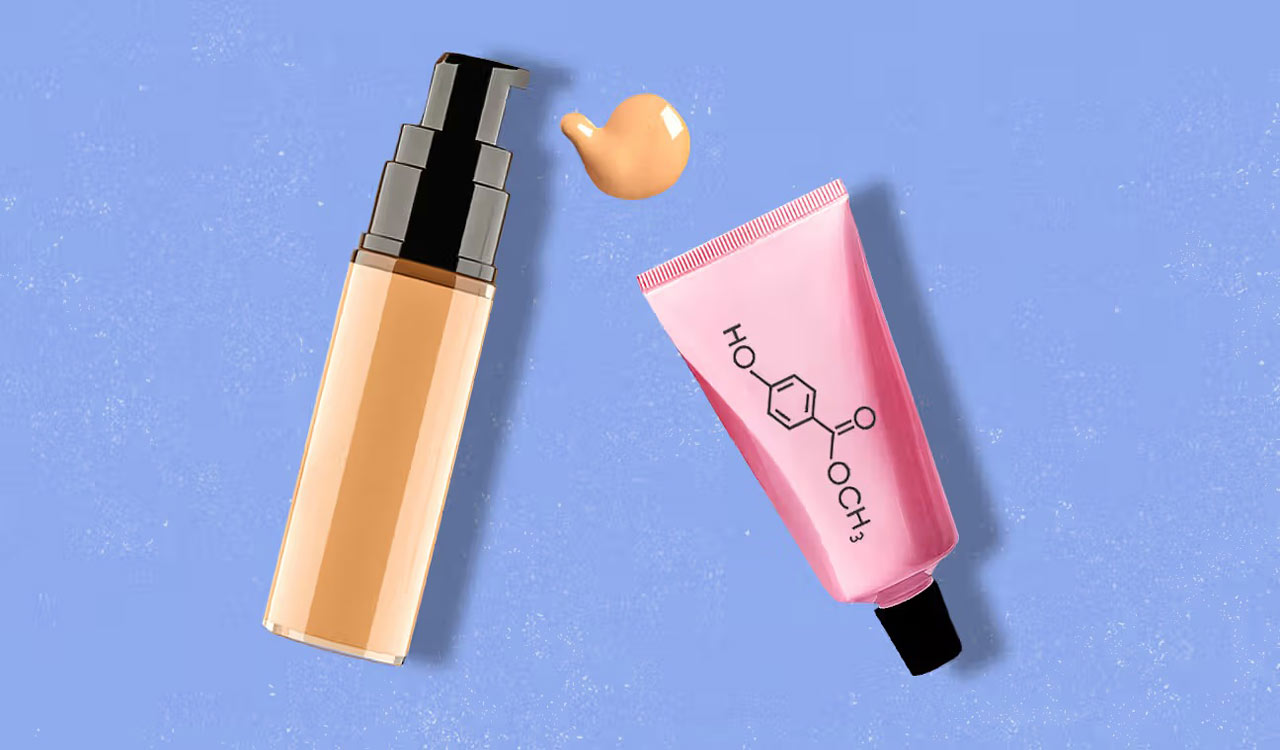
Unregulated skin-lightening creams may cause heavy-metal poisoning, experts warn
Unregulated skin-lightening creams promoted online may expose users to mercury, arsenic and steroids, health experts warn. Following a CDSCO alert against two unauthorised imported products, consumers are urged to check labels, avoid unverified sellers and seek medical advice for symptoms


By M Sai Gopal
Hyderabad: Health experts and the Central Drugs Standard Control Organisation (CDSCO) have warned that unregulated skin-lightening creams, promoted through social media and unverified influencer endorsements, can expose consumers to heavy-metal poisoning and irreversible organ damage.
Sold through social media platforms, messaging apps and unregulated beauty parlours, the products are increasingly linked to serious health emergencies. Following the CDSCO’s September nationwide alert against unlicensed Pakistan-made whitening creams, reports have suggested that a teenage girl in Kerala was hospitalised with a severe kidney disorder linked to the long-term use of an influencer-promoted face cream.
Reports on the Kerala incident suggested that laboratory tests on the skin-whitening cream confirmed that it contained 12,500 parts per million (ppm) of mercury, or 1.25%, far above the CDSCO’s permissible limit of less than 1 ppm.
Under the Drugs and Cosmetics Rules, mercury is strictly restricted in cosmetic formulations.
Health experts said many unregulated whitening creams use chemicals such as inorganic mercury salts, arsenic and potent topical steroids to suppress melanin, the natural pigment that gives skin, hair and eyes their colour and protects the body from the sun. These chemicals strip away natural pigment, creating an illusion of rapid whitening and blemish removal within days.
Experts said mercury accumulates in the kidneys, which filter blood, damaging their filtering units and causing protein to leak into the urine. They warned that prolonged exposure can lead to chronic kidney failure and neurological damage, including tremors, severe fatigue and memory loss.
In September, the CDSCO issued a nationwide public health alert against unlicensed Pakistan-made whitening creams, including Goree Beauty Cream and Chandni Whitening Cream, after tests revealed excessive heavy metals. State drug regulators have since carried out seizures in multiple States where contraband batches were sold online and in local markets, reports suggested.
Health experts warned that hundreds of small-batch creams continue to be marketed online as ‘organic’, ‘Ayurvedic’ or ‘homemade’, bypassing standard retail scrutiny, while regional influencers promote them without verifying regulatory approvals.
CDSCO advisory
The CDSCO has advised consumers to check packaging for the manufacturer’s name and address, the State Licensing Authority manufacturing licence number, batch number, and manufacturing and expiry dates.
Imported cosmetics cannot legally be sold in India without a CDSCO import registration number printed on the pack, the advisory said. Consumers should avoid products with obscured, incomplete or non-English labels, as well as purchases made through social media platform direct messages and messaging groups.
The CDSCO said any cream promising visible skin lightening or dark-spot removal within a few days is a major red flag. Such creams claiming instant results invariably contain banned heavy metals or unprescribed steroids, it said.
Consumers should discontinue use immediately if they notice frothy or foamy urine, puffiness around the eyes, swelling in the feet or unexplained fatigue, the advisory said.

Related News
-

Pakistan-made cosmetics worth Rs 7 lakh seized in Hyderabad, wider network suspected
-
Task Force seizes unauthorised Pakistani cosmetics worth Rs 7 lakh in Hyderabad
-
Telangana among locations as Centre plans central licensing for sterile drugs
-
Fake Abhayrab rabies vaccine flagged; QR code checks advised for post‑Nov 2025 doses