-
Maharashtra residents stranded in flood-hit Nepal have safely returned to India following coordinated evacuation efforts. The citizens thanked the Maharashtra government for its assistance, while Chief Minister Devendra Fadnavis credited Prime Minister Narendra Modi and External Affairs Minister S Jaishankar.
-
Political leaders across party lines expressed concern over devastating floods in Nepal and urged intensified rescue and relief operations. Several leaders called on the Centre to assist stranded Indians, while seeking large-scale humanitarian support for affected people in Nepal.
-
Nepali authorities issued a fresh flood warning on Friday after reports of a lake outburst in Tibet and renewed water flow mixed with debris and mud along the Bhote Koshi River. Rescue teams and residents in high-risk areas were urged to move to safety.
-
Six months after US-Israeli attacks on Iran, Tehran has survived military strikes and strengthened its leverage over the Strait of Hormuz. Gulf states are questioning US security guarantees, while Israel faces growing international isolation and worsening prospects for Saudi normalisation
-
Bangladesh opposition leaders rejected the BNP government’s claims of success after 180 days, citing worsening energy shortages, load shedding, factory closures, unemployment and deteriorating law and order. Critics said public suffering and insecurity have increased, challenging the government’s key election promises
-
The death toll from devastating floods in Nepal’s Bhotekoshi region has risen to 469, while 977 people remain out of contact. Rescue teams are searching affected areas as authorities coordinate relief operations and urge individuals to avoid uncoordinated travel.
-
Apple CEO Tim Cook has announced a donation to support relief and rebuilding efforts after devastating flash floods and mudslides along the Nepal-Tibet border. The disaster killed hundreds, displaced communities and damaged villages, roads, bridges and critical infrastructure across Nepal.
-
The UK has offered £5 million and emergency response support to Nepal after devastating flash floods killed hundreds and left more than a thousand missing, including around 33 British nationals. King Charles III and other British leaders expressed solidarity with affected communities
-
Catastrophic flash floods along the China-Nepal border have killed at least 359 people and left more than 1,400 missing, with hundreds of foreign nationals among those unaccounted for as rescue agencies continue operations and governments seek information about their citizens
-
A new study has found that El Ninos are becoming stronger as human-caused climate change warms the planet. Researchers said El Nino events are now more than 36% stronger than before the industrial era, with the increase accelerating in recent decades.
-
A fire at Russia’s Amur Gas Chemical Complex in the Far East killed 15 workers, plant management said. The facility, under construction near the Chinese border, has begun emergency recovery work as investigators examine the cause and possible safety breaches.
-
Nepal’s devastating flash floods warn of mounting climate risks across the Himalayas, underscoring the urgent need for stronger preparedness and regional cooperation
-
India has set up a 24x7 MEA control room and helplines to assist nationals affected by devastating flash floods in Nepal. With 359 deaths and 288 Indians missing, India assured Nepal of support as rescue operations continue
-
World leaders expressed grief and pledged assistance after devastating Nepal flash floods killed more than 160 people and left hundreds missing. Australia, Canada, New Zealand and Malaysia are coordinating with Nepalese authorities to locate missing nationals and provide consular support
-
American singer Mary Millben criticised New York Mayor Zohran Mamdani as “radical” and “misguided” over his association with the Democratic Socialists of America and opposition to RSS chief Mohan Bhagwat’s visit. She urged Mamdani to reconsider his political direction and rhetoric
-
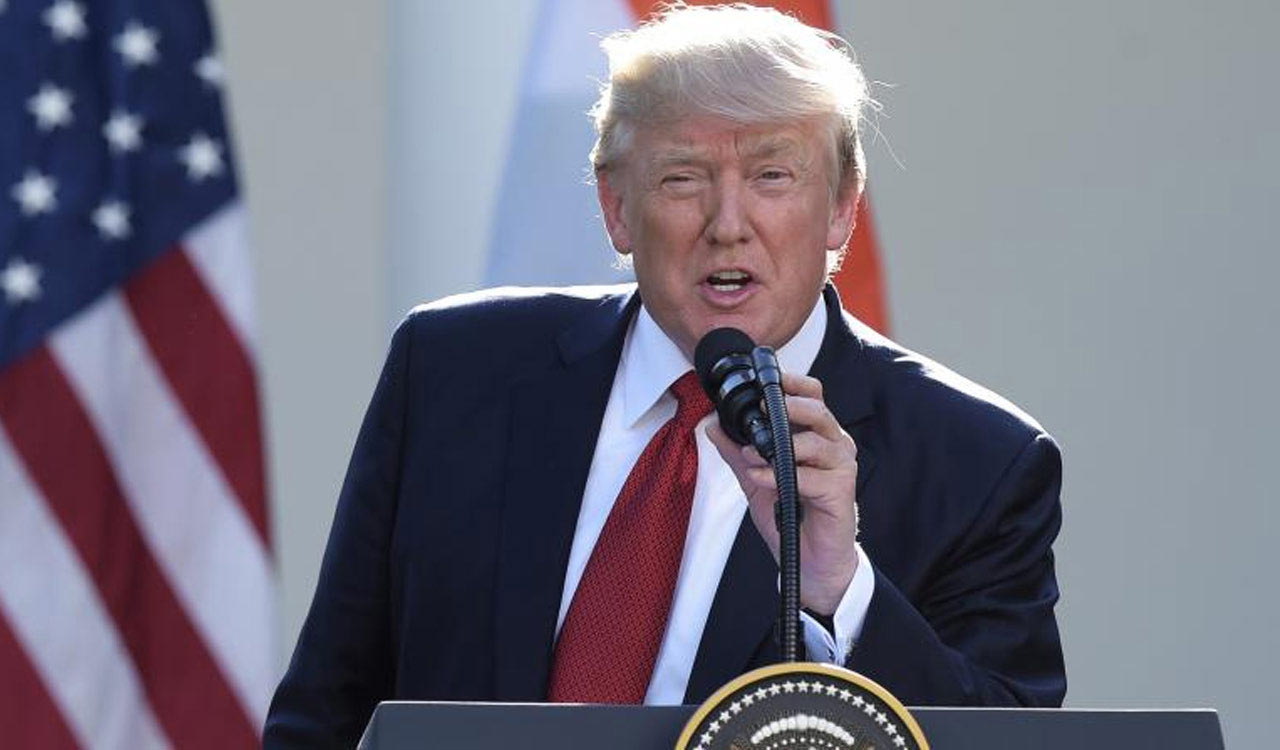
US President Donald Trump has said the war with Iran could end “fairly soon,” while claiming Iranian Supreme Leader Ayatollah Mojtaba Khamenei is alive but “seriously wounded.” In an interview, Trump asserted Iran’s military has been crippled, its economy weakened, and that preventing Tehran from acquiring nuclear weapons remains the central objective.
-
Nearly 160 people were killed and over 750, including 133 Indians, remain missing after a massive flash flood triggered by an earthquake in Tibet swept through central Nepal, devastating towns, washing away bridges, crippling hydropower projects, and leaving widespread destruction across multiple districts.
-
Though it is premature to see Ajit Doval’s engagement with China’s top leadership as a sign of an imminent boundary settlement, it does suggest that the two countries are moving from confrontation towards conciliation
-
Coordination Centre at Telangana Bhavan in New Delhi will coordinate with the Ministry of External Affairs, the Indian Embassy in Kathmandu and other authorities to facilitate assistance
-
New York City Mayor Zohran Mamdani has opposed RSS chief Mohan Bhagwat’s planned August 29 event at Madison Square Garden, while noting that the city may lack jurisdiction to cancel the private gathering, which has drawn criticism from civil rights groups
-
India and Vietnam held their 7th High-Level Meeting in Chennai to strengthen maritime cooperation in security, law enforcement, search and rescue, pollution response and capacity building. Both sides reviewed ongoing engagements and reaffirmed commitments to operational coordination, interoperability, training and environmental sustainability
-
The Trump administration has paused immigrant visa applications worldwide as the US State Department intensifies screening for applicants who may become dependent on public benefits. Consular officers are being trained to assess applicants’ finances, health, skills, family circumstances and other factors.
-
South Korea recorded a 15.6 per cent year-on-year rise in births in June, the highest growth since records began in 1981. Births have increased for 24 consecutive months, driven by recovering marriages and improved attitudes toward having children, though fertility remains low
-
At least 15 newborn babies died after a fire broke out in the nursery of Pakistan Institute of Medical Sciences in Islamabad. Officials said an air-conditioner compressor may have triggered the blaze. An enquiry committee has been formed to investigate the tragedy and hospital safety