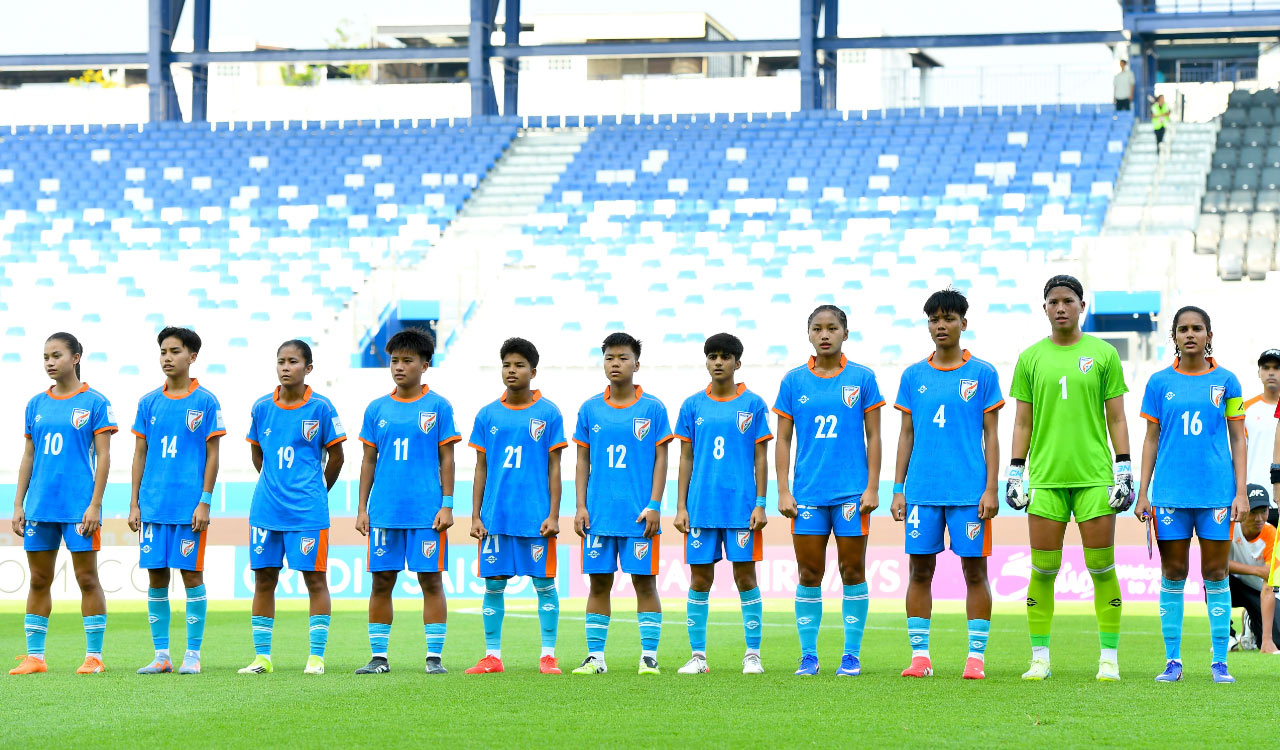
Young Tigresses focus on development at AFC U20 Women’s Asian Cup
India’s U20 women’s team endured tough defeats at the AFC Asian Cup but showed clear signs of development, ending their campaign with a 3-1 win over Chinese Taipei and gaining valuable experience against top continental sides
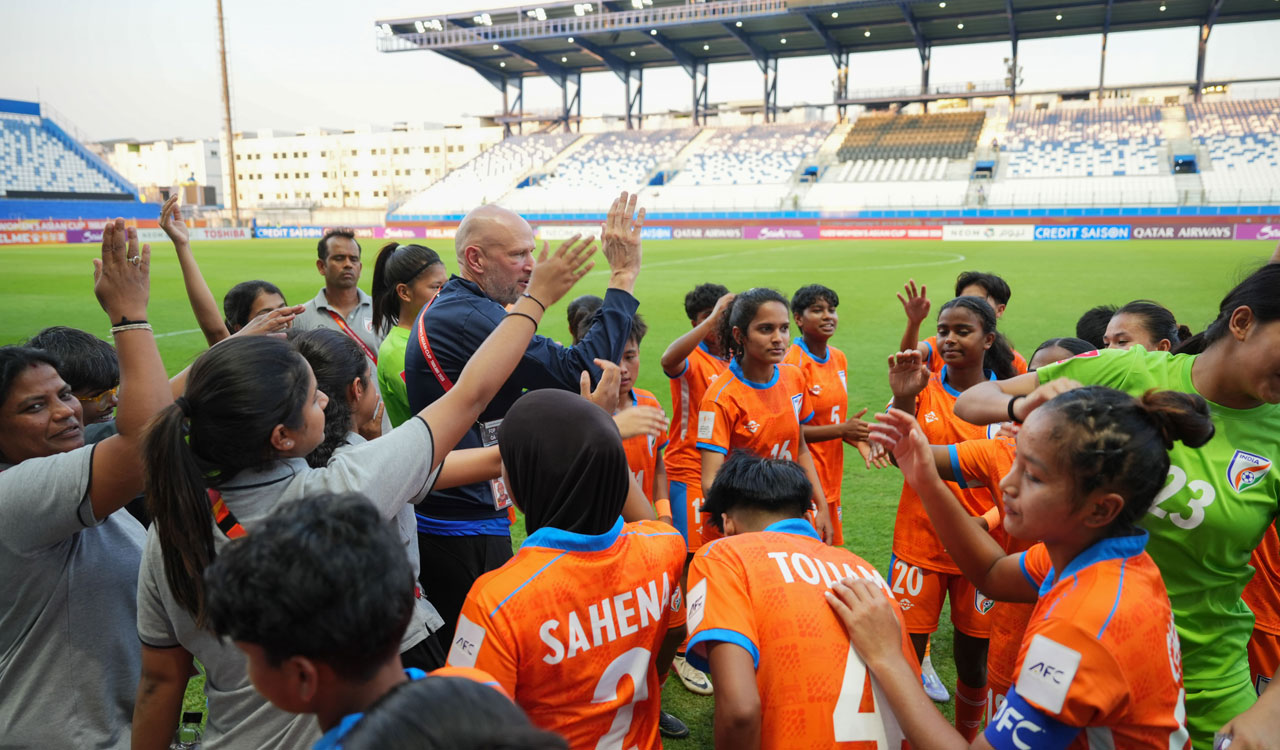


Hyderabad: India’s campaign at the AFC Under-20 Women’s Asian Cup Thailand 2026 may not be fully reflected in the results column, with defeats to stronger opponents standing out. But beyond the scorelines, the tournament offered a clearer picture of a team committed to development.
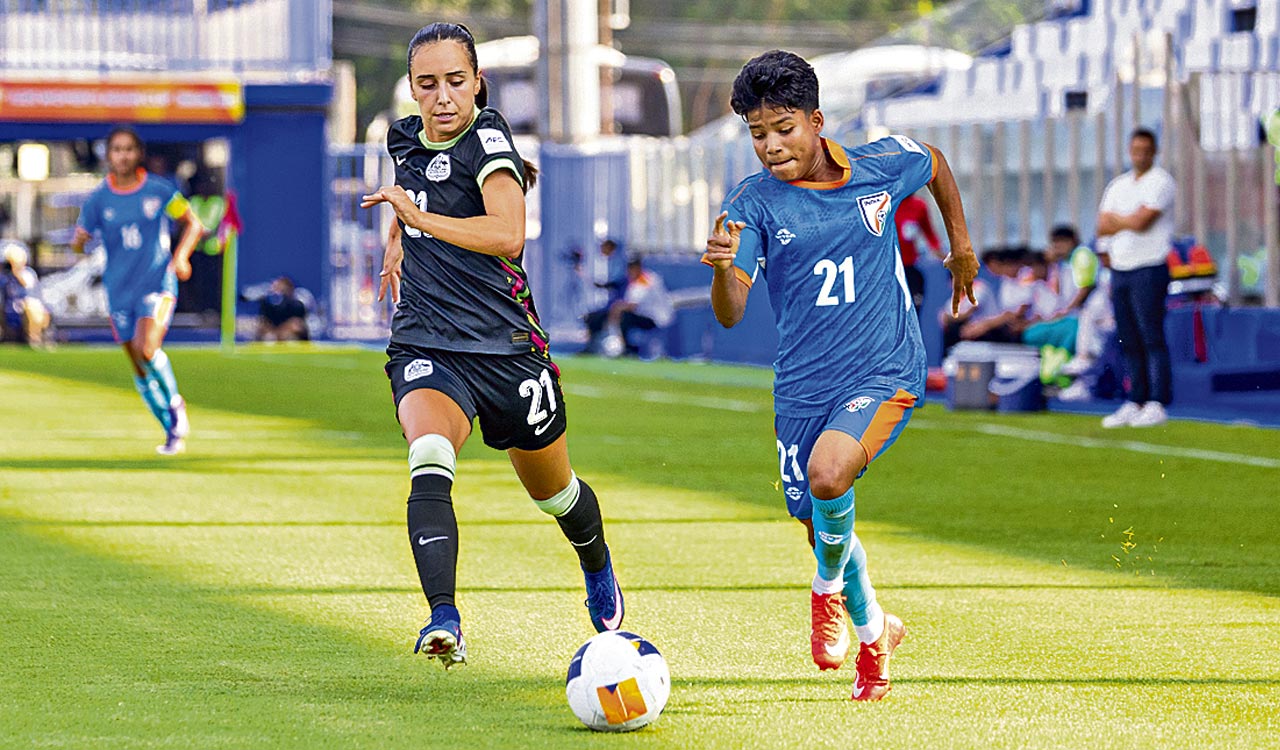
Drawn in a demanding Group C alongside continental heavyweights and former world champions Japan, a physically imposing Australia, and a disciplined Chinese Taipei side, the Indian U20 women’s national team entered the competition aware of the challenge and chose to meet it on their own terms.
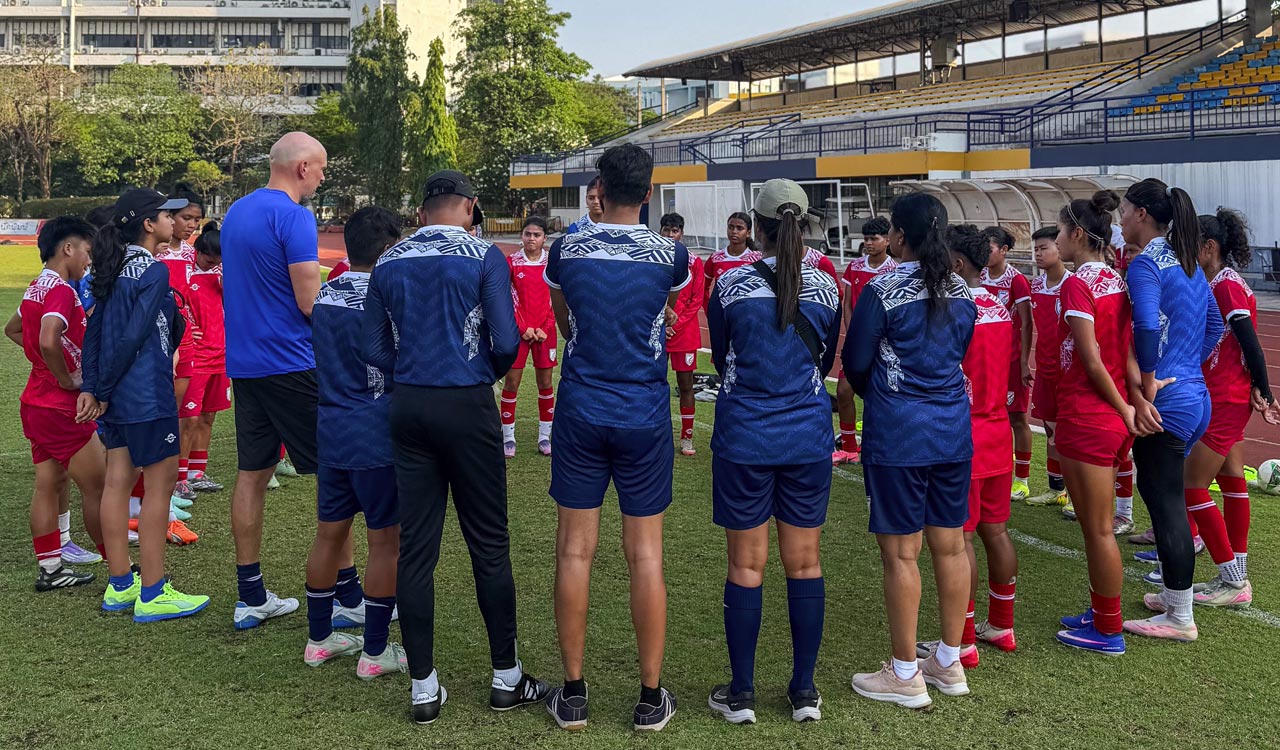
That approach was defined early by head coach Joakim Alexandersson, who prioritised development and clarity of style over short-term conservatism.
“I don’t want to be that kind of coach who sits back with 10 players in a youth tournament just to hold on to results and play very defensively for 90 minutes,” he told the-aiff.com after India’s campaign came to an end on Wednesday.
“I feel that is not the right thing to do for our players. I would rather try to play our game, but of course also try to make it more difficult for the opponents. I believe in player development, and at this age group, we have to try to do what we practise in training sessions. It wouldn’t have been right for me as a coach if we suddenly started to play more defensively than we have been practising.”
That philosophy shaped India’s approach across all three matches. The campaign began with a 0-6 defeat to Japan, followed by a 0-5 loss to Australia. Yet, within those games, India showed structure, organisation and moments of controlled play, particularly in phases where they were able to compete with intensity and discipline.
“It has been a great tournament, qualifying to be here and competing against the best teams in Asia, to get a good picture of the strengths and weaknesses of all the teams. That has been very exciting,” said the Swedish coach, who has worked with the Young Tigresses since December 2024.
“When it comes to our team’s overall performance, I think that we have been doing a lot of good things. What I’m most satisfied with is that we looked very organised during all three games. But individual things have been too costly for us, especially in the first two games.”
Those decisive margins underlined the learning curve. Defensive lapses and isolated errors were punished by high-quality opposition. In both the first two games, the Young Tigresses started promisingly, but ultimately struggled to maintain consistency in the second half.
However, they remained consistent in their approach, choosing to play through pressure rather than retreat from it. That belief translated into a tangible result in their final group match against Chinese Taipei, when they dominated from start to finish and won 3-1.
The result was a performance marked by clearer attacking intent and better control in key moments, culminating in a well-earned victory. It was a significant milestone.
The win marked India’s first victory in the AFC U20 Women’s Asian Cup since 2004, and notably, the first women’s Asian Cup win at any level since 2005.
“In the same way, we were playing better attacking football, and we decided to press the opponents higher, which gave us a lot of success in this game, and I’m very satisfied with that,” Alexandersson said.

Related News