Supreme Court contempt plea targets Delhi Police chief over Metro restrictions
A contempt petition before the Supreme Court alleges Delhi authorities violated an October 9 order against completely suspending Metro services ahead of a proposed protest. The petitioner claims station gates remained shut and services were curtailed despite the court’s directions


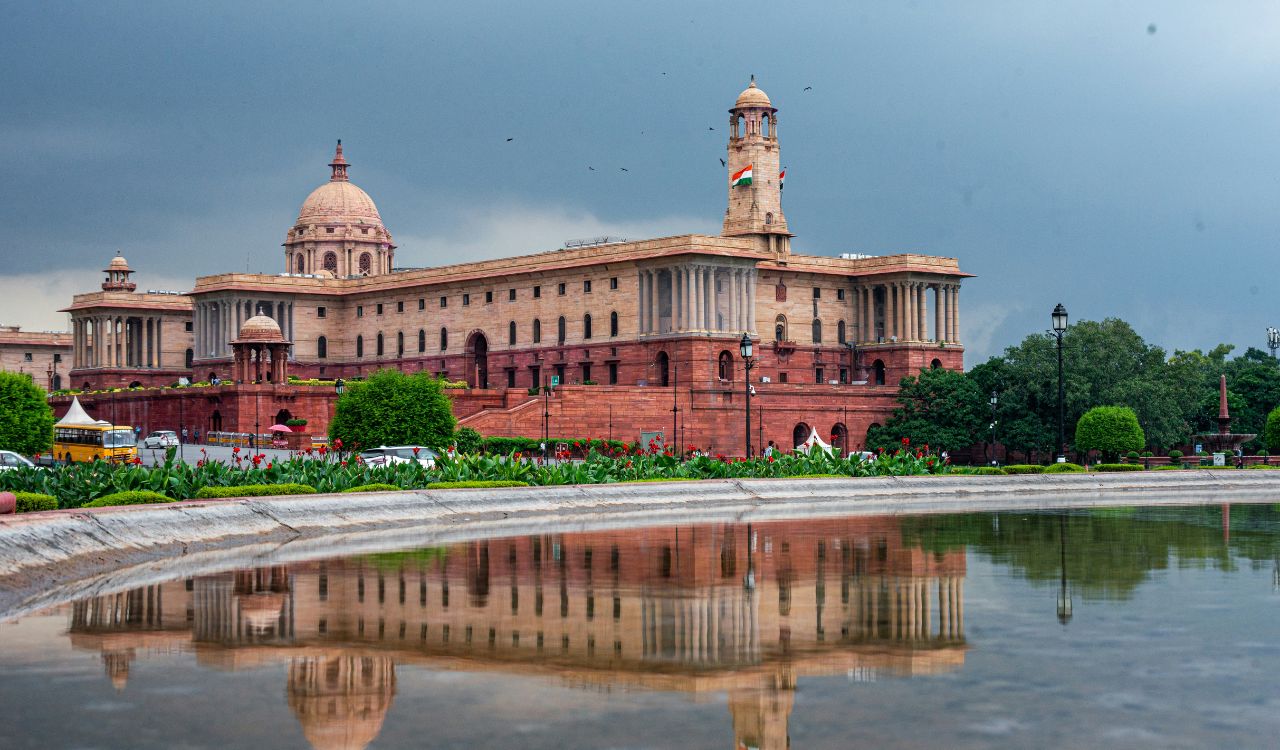
New Delhi: A contempt petition has been filed in the Supreme Court against the Delhi Police Commissioner, the Delhi Metro Rail Corporation (DMRC) chairperson and the Union Home Secretary, alleging non-compliance with the apex court’s October 9 order directing authorities to ensure that Metro and railway services in the national capital were not completely suspended ahead of the proposed protest against Chief Election Commissioner Gyanesh Kumar at Jantar Mantar.
The petition, filed by advocate Shailendra Mani Tripathi, has sought initiation of contempt proceedings against Union Home Secretary Govind Mohan, Delhi Police Commissioner Anurag Kumar and DMRC Chairperson D. Thara for allegedly failing to comply with the court’s directions.
The petitioner alleged that despite the Supreme Court’s clear direction against a complete prohibition on Metro services, entry and exit gates at several stations remained closed and train services continued to be cancelled or curtailed, inconveniencing commuters and disrupting public life in Delhi.
According to the plea, the DMRC had announced the closure of entry and exit gates at 45 Metro stations in the national capital.
Tripathi claimed that he visited GTB Nagar and Vishwavidyalaya Metro stations at around 9.30 p.m. and found their entry gates shut. He also claimed to have recorded the locked gates on video.
The petition further alleged that the authorities had failed to adequately publicise revised travel arrangements and continued to impose restrictions on public transport despite the Supreme Court’s directions.
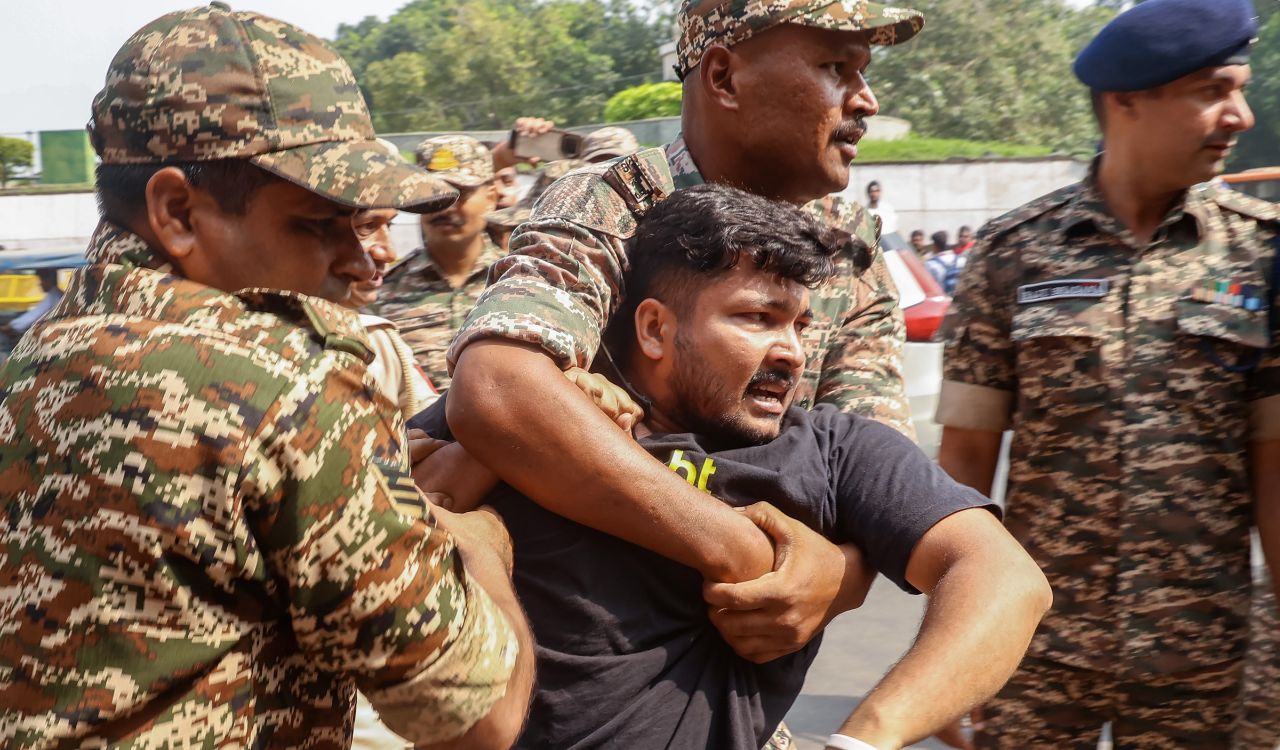
Referring to his visit to Jantar Mantar at around 8.30 p.m., the petitioner claimed that only police and paramilitary personnel were present at the protest site and that no protesters were there at the time.
The plea contended that the alleged non-compliance with the apex court’s directions had disrupted public life in the national capital. It sought the immediate withdrawal of blanket restrictions on Metro and other railway services.
The contempt petition follows the Supreme Court’s order on Friday, in which a Bench comprising Chief Justice of India Surya Kant and Justices Joymalya Bagchi and V. Mohana directed that Metro train services should not be completely stopped ahead of the proposed protest.
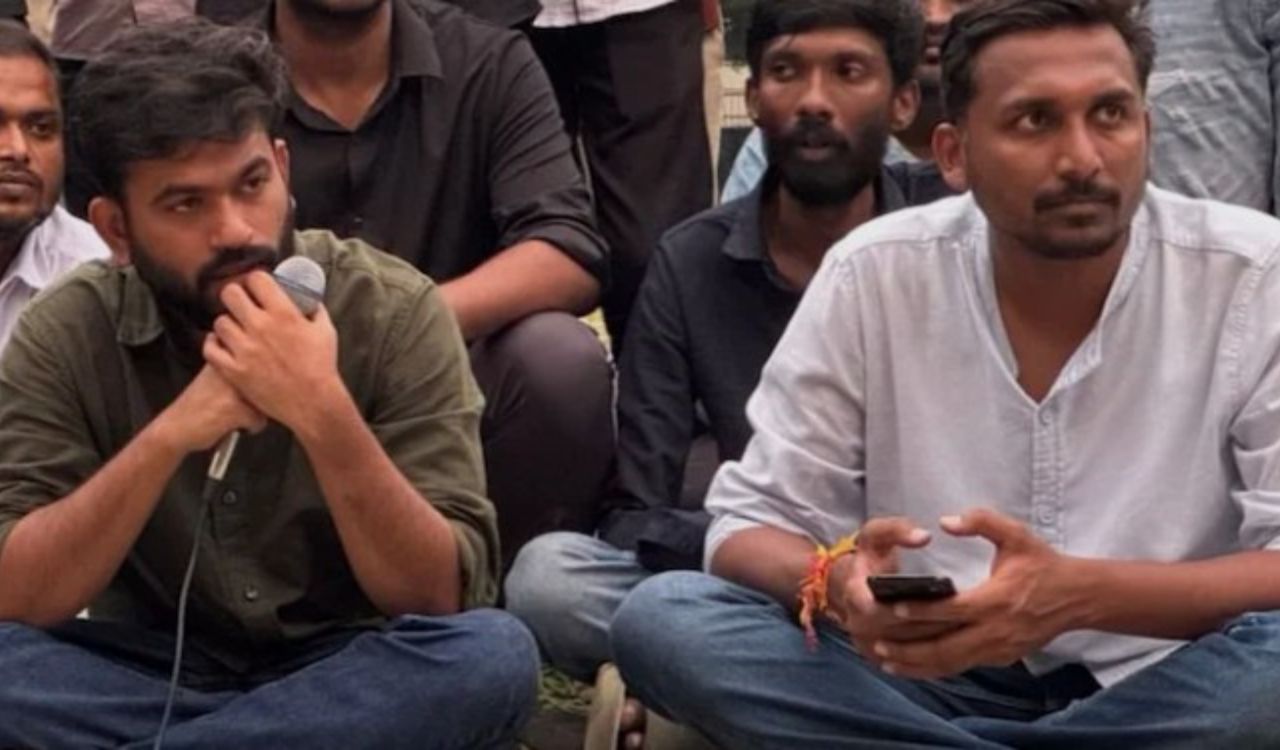
The court passed the order after taking note of restrictions imposed on Metro and railway services in view of the proposed demonstration by the Cockroach Janta Party (CJP), which is seeking accountability from Chief Election Commissioner Gyanesh Kumar.
The Bench observed that there was a distinction between completely prohibiting the movement of trains and regulating their operations, stressing that preventive measures must be proportionate to the anticipated law-and-order situation.
“In terms of that assurance, we make it clear that there shall be no complete prohibition on the movement of Metro trains,” the Supreme Court said, recording the assurance given by Solicitor General Tushar Mehta that the authorities would reconsider the restrictions and allow services to operate in a regulated manner.
The apex court also directed the authorities to publicise their decision on the regulated operation of Metro and other railway services widely and issue a traffic advisory to ensure that commuters did not face unnecessary hardship.
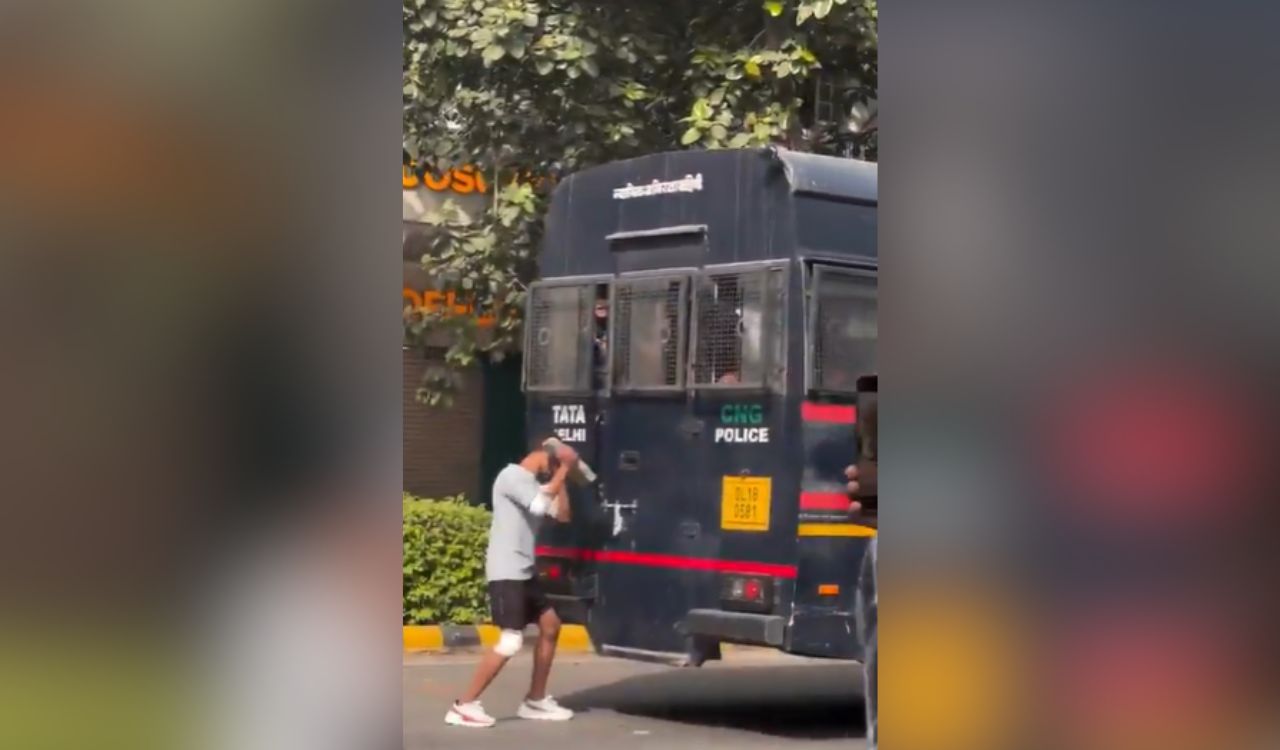
The restrictions included reduced train frequency at 57 Metro stations and the closure of entry and exit gates at those stations from 9 p.m. on October 9. The measures were to continue on October 10 until the situation normalised.
The restrictions were imposed amid concerns over the proposed protest and the potential movement of crowds towards sensitive locations.
The Supreme Court also directed the DMRC, the railway authorities concerned and Delhi Police (Traffic) to file compliance reports within four days.
During the hearing, the Bench asked the competent authorities to consider identifying and designating suitable alternative sites equipped with basic amenities and infrastructure to facilitate peaceful and lawful protests.
The Delhi Police had denied permission for the proposed demonstration, citing public safety, traffic regulation and law-and-order concerns. It also said prohibitory orders under Section 163 of the Bharatiya Nagarik Suraksha Sanhita (BNSS) were in force in the New Delhi area.

Related News