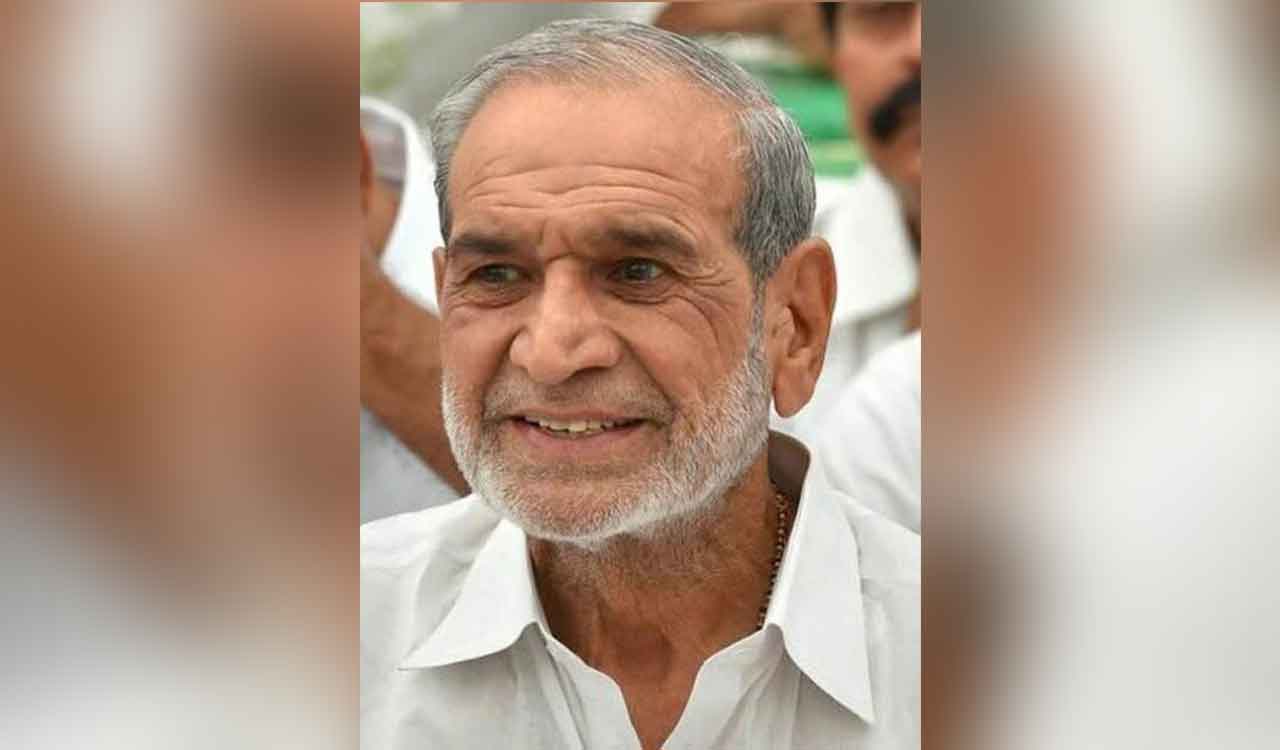
1984 riots: Sajjan Kumar cleared in Janakpuri violence case
A Delhi court acquitted former Congress MP Sajjan Kumar in a Janakpuri case linked to the 1984 anti-Sikh riots, ruling that the prosecution failed to prove his presence or role beyond reasonable doubt despite acknowledging victims’ trauma
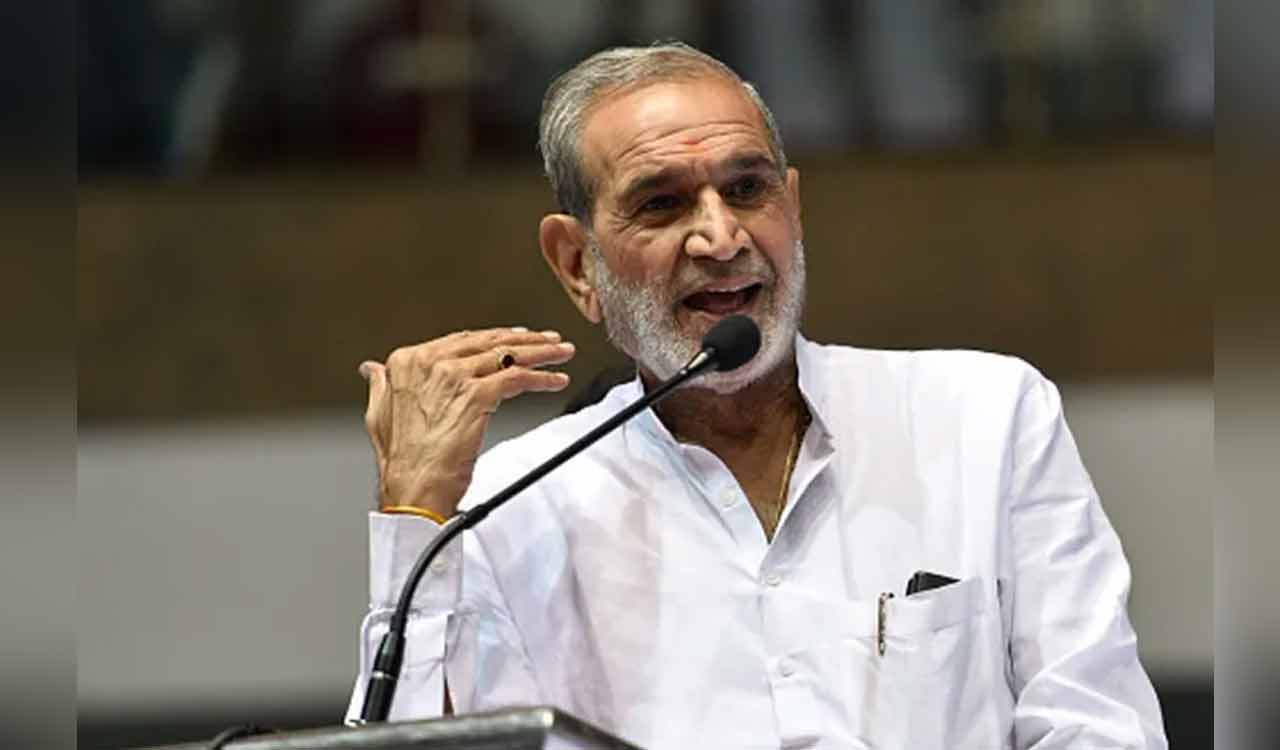


New Delhi: A Delhi court on Thursday acquitted former Congress MP Sajjan Kumar in a case related to inciting violence in the Janakpuri area of the national capital during the 1984 anti-Sikh riots, holding that the prosecution failed to prove the charges beyond a reasonable doubt.
Special Judge Dig Vinay Singh said that while the court understood the trauma suffered by the victims and their families, its decision had to be “sans emotions”.
“The finding of guilt of the accused in this case must be solely judged based on the evidence led in the present matter. Unfortunately, most of the witnesses examined by the prosecution in this case are hearsay, and/or those who failed to name the accused for three long decades,” the judge said.
Relying on identification by such witnesses would be “risky and may lead to a travesty”, the court observed.
The judge said there was no reliable evidence to establish that Kumar was present at the crime scene or that he was seen there by anyone. There was also no evidence of him instigating a riotous mob or of any conspiracy in relation to the alleged incident, he added.
In the 60-page order, the court said, “The sum and substance is that the prosecution has not met its burden of proof against the accused beyond a reasonable doubt, which is essential for conviction in a criminal trial.”
“Resultantly, because of a lack of credible evidence as to the presence of the accused at the scene of the crime or his participation in the unlawful assembly or his involvement in any manner—through instigation, conspiracy or abetment—he is acquitted of the charges,” it said.
Rejecting the prosecution’s argument that Kumar had been found guilty in similar cases, the court said that even if a person had been convicted of multiple crimes earlier, proof beyond reasonable doubt was still required for every separate offence.
“One cannot be found guilty merely because in the past he was involved in similar offences. Past criminal background may have relevance at the stage of sentencing, but it cannot be considered while determining guilt in another case,” the court said.
The court emphasised that conviction could only follow when there was no reasonable doubt regarding the accused’s involvement, and that suspicion could not take the place of proof.
“Merely because the accused is an ex-member of Parliament or was allegedly involved in similar incidents elsewhere, this court cannot lower the standard of proof. The law remains the same for all, whether ordinary citizens or influential persons,” it said.
The court noted the prosecution’s argument that the evidence should be appreciated in the context of the large-scale violence, including deaths, injuries, destruction of property and alleged police inaction. However, it said that even after considering these factors, there was no satisfactory explanation for the witnesses’ failure to name the accused for three decades.
It observed that victims or their families would ordinarily identify the perpetrator at the earliest opportunity and that the prolonged silence weakened the prosecution’s case.
The court added that while there may not have been prior enmity between the accused and the victims, false implication could not be ruled out, given the accused’s alleged involvement in similar incidents during that period.
“The trauma suffered by the victims and their families is well understood, but that trauma cannot come in the way of this court’s decision, which has to be sans emotions,” the order said.
Once the prosecution failed to establish the accused’s presence, instigation, conspiracy or membership of an unlawful assembly, other arguments became merely academic, the court added.
In February 2015, a special investigation team (SIT) re-investigated two FIRs registered against Kumar at the Janakpuri and Vikaspuri police stations in connection with the 1984 riots. The Delhi Police had earlier filed closure reports in both cases.
Based on fresh statements, the SIT filed a chargesheet alleging that Kumar, then an MP from Outer Delhi, had conspired to spread disharmony and was involved in rioting, arson, murder and destruction of Sikh property, including the burning of a gurdwara.
A common chargesheet was filed in both cases as the alleged incidents were treated as part of the same conspiracy and unlawful assembly, based on the affidavit of an alleged victim, Harvinder Singh.
Kumar was later discharged in the Vikaspuri case relating to the alleged murder of Sohan Singh and Avtaar Singh and grievous injuries to the complainant.
Charges were, however, framed against him in the Janakpuri case for offences including rioting, unlawful assembly, arson, promoting enmity between groups, attempt to murder, defiling a place of worship and abetment.
Kumar, who is currently in jail, was sentenced to life imprisonment by a trial court on February 25 last year in a separate case related to the killing of Jaswant Singh and his son Tarundeep Singh in the Saraswati Vihar area on November 1, 1984.

Related News