2026: The year in games when nostalgia took over?
AC Black Flag, Dragon Quest 7, and Ocarina of Time show that remakes are the way


Building a new game and a new franchise is one of the most difficult aspects of game design, as developers struggle to identify who their fans are and whose ideas of fun, design, and aesthetics will resonate with them.
So much so that building a new gaming title or franchise is often likened to shooting darts in the dark. Despite the uncertainty, year after year, game makers of various scales and sizes have tried to make sense of the unpredictable by designing new playable experiences, irrespective of their financial and critical reception.
2026 seems to be the year that things are changing, though, as more and more large studios and gaming corporations are beginning to speak a similar language, one that champions their most popular intellectual properties and commits to protecting their legacy.
2026: The year remakes went mainstream?
If 2026 is anything to go by, remakes are everywhere. This is the year when remaking a game from the ground up became fashionable, and pricing it on par with a brand-new title became justifiable.
We saw it first with the reimagined Dragon Quest VII, and then Ubisoft’s Assassin’s Creed: Black Flag Resynced, both games much loved and very well received in their remade avatars. The former sold half a million copies in its launch week, and the latter 3.5 million in its first two weeks.
Remakes for nostalgia but also other reasons?
The answer is no, and the reason is risk. A remake is a safer choice because the fans are already identified and the nostalgia is significant.
With “ground-up” remakes, the significant additions and changes almost show that the effort put in is on par with a new game, but the degree of risk is far lower.
Each game maker produces a remake for their own unique reasons, and the timing of it is just as important as the scale of the remake. Sony does it whenever it launches a new console; we saw it with The Last of Us Part I and Part II. In the case of Dragon Quest, the reimagined VII allows the once-iconic franchise to become relevant again.
In the case of Black Flag, the reasons are several: it allowed Ubisoft to mark its 40th anniversary, reuse mechanics developed for Skull and Bones, and, by remaking its most popular Assassin’s Creed, overcome the vitriol and hate received during the launch of Shadows.
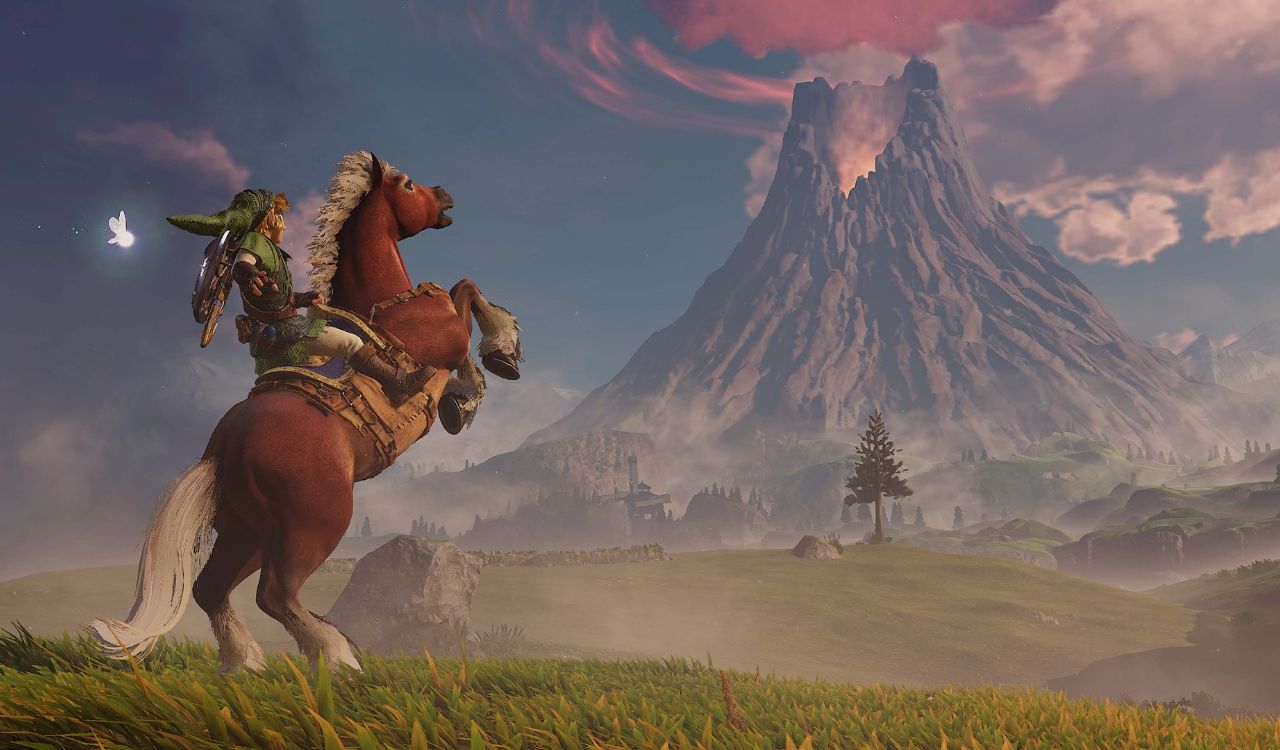
The same questions must also be asked of the just-announced Ocarina of Time remake from Nintendo. A game that most players consider the most replayed of all time, and one with such a large fanbase that its nostalgia alone allows Nintendo to take GTA VI head-on.
By launching on November 5, not only is the game offering players an alternative option, but it is also asking them to consider purchasing the Switch 2. So much so that Nintendo used the opportunity to launch a unique Ocarina of Time variant of the Switch 2 that sold out instantaneously. Now retailing for over three times the price, the effect of nostalgia is undeniable.
If these cases are anything to go by, nostalgia and remakes are likely to become larger trends in gaming culture going forward. Understanding their pull as fans and players is essential to ensure that gamers aren’t taken advantage of and the industry doesn’t remain static.

Related News