Are zero-sugar sodas really healthy? Experts explain the risks
Health experts say zero-sugar sodas may help reduce calorie and sugar intake temporarily, but frequent consumption could affect gut health, metabolism and cravings. Doctors caution that artificial sweeteners are not entirely harmless and should not replace nutritious and hydrating beverages
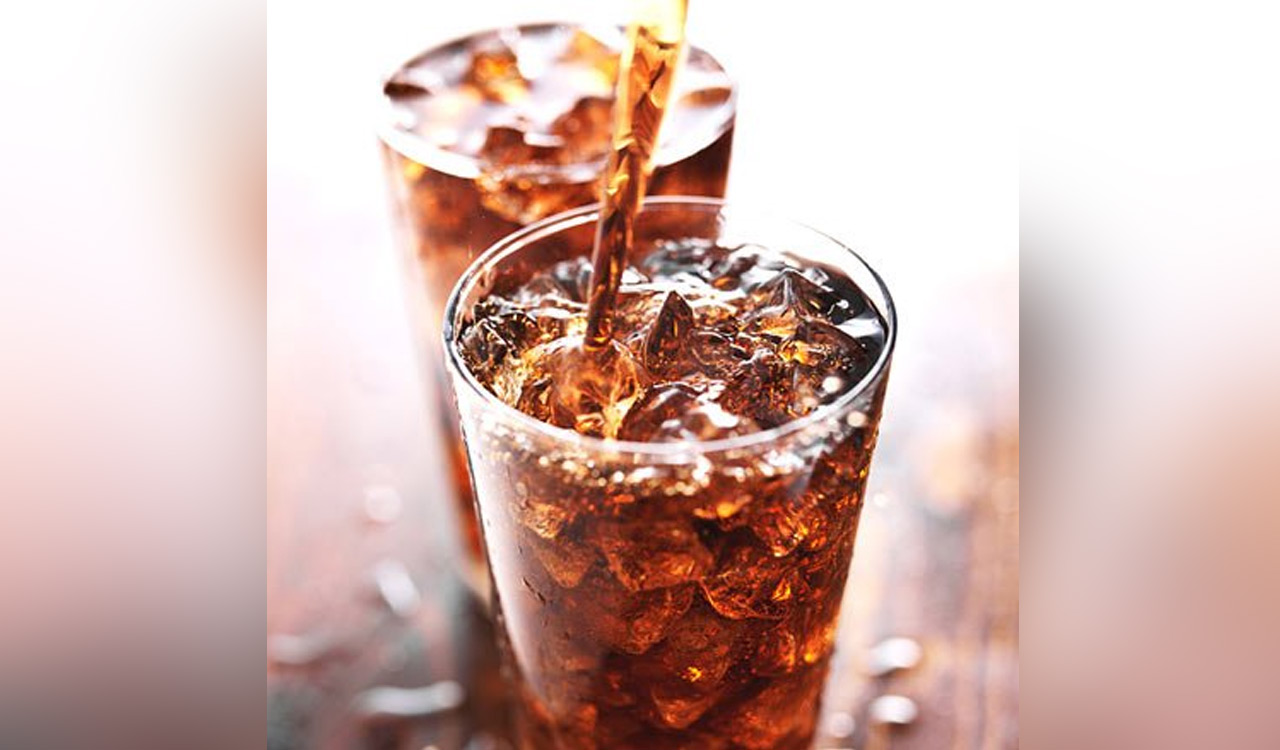


Hyderabad: For the last few years, there has been a concerted effort by health enthusiasts to reduce sugar and calorie intake, fuelling the popularity of zero-sugar sodas.
While often viewed as a ‘healthier’ alternative by people focussed on achieving their fitness goals, it is vital for the general public to understand the true composition and long-term impact of such beverages on wellness.
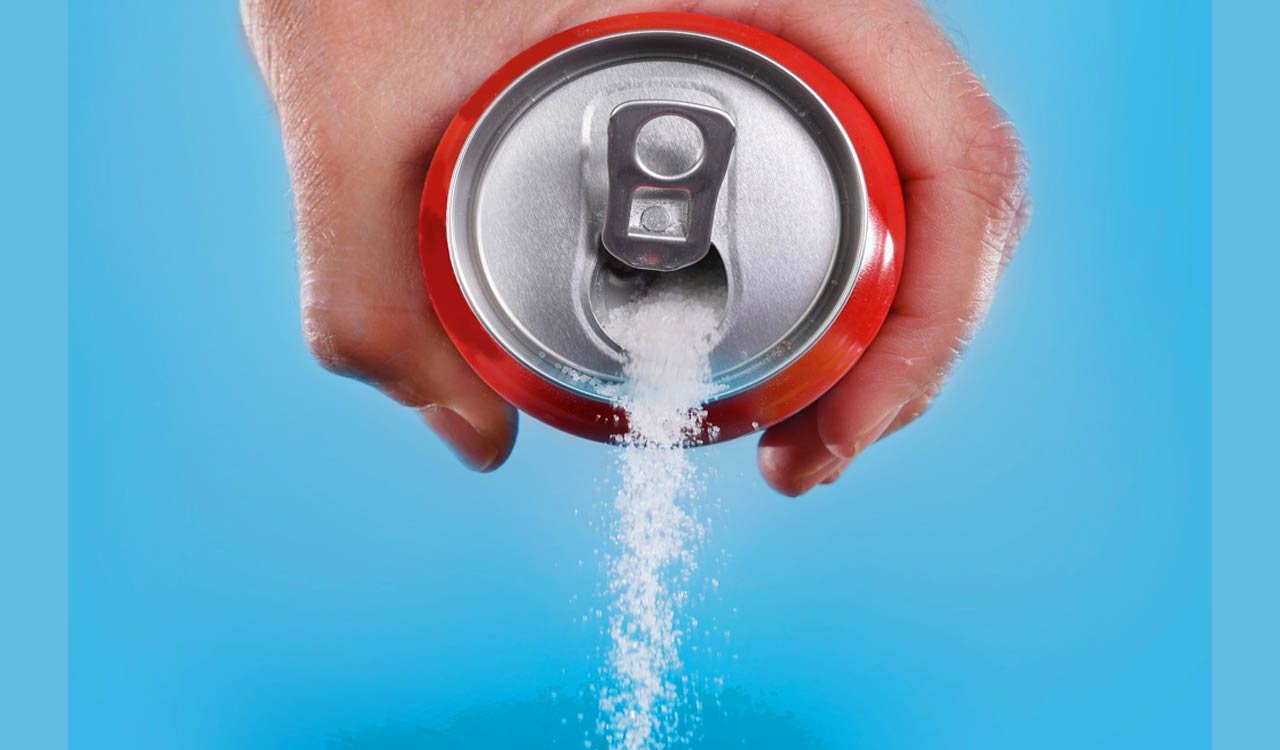
Regular sugary soft drinks are well known for contributing to weight gain, blood pressure and sugar spikes. For instance, a 330 ml can of sugar-sweetened soda contains about 39 grams of sugar, which amounts to 139 calories.
Dr Ankit Vijay Agarwal, senior medical gastroenterologist at Apollo Hospitals, points out that since zero-sugar options avoid such spikes and calories, they can be temporary tools for weight management or avoiding sugar spikes. However, he hastens to add that a better alternative does not mean they are inherently healthy.
Instead of sugar, these diet beverages use artificial sweeteners such as aspartame and acesulfame potassium. While they do not cause blood glucose spikes, they are not without potential downsides. Frequent consumption of such products may lead to digestive issues such as bloating, gas and headaches.
“Artificial sweeteners can definitely influence our cravings, gut health and metabolism, more so with frequent consumption. The sweet taste without the calories may lead to a continued preference for very sweet foods, increase cravings in some people and make it difficult to manage their diet,” explained Dr Ankit.
While an occasional diet soda is unlikely to harm most healthy adults, risks increase when these beverages become a daily staple or replace more hydrating and nutritious fluids.

Related News