Centre launches CCMB-led guidelines to detect disease-causing pathogens in wastewater
The Union Health Ministry has launched wastewater surveillance guidelines developed by a CSIR-CCMB-led consortium. The framework will help public health authorities detect pathogens, monitor infectious diseases, assess disease burdens and identify potential outbreaks, including threats from emerging pathogens.


Hyderabad: The union Ministry of Health and Family Welfare has launched ‘National Guidelines on Wastewater Surveillance for Pathogens of Public Health Importance” developed by Hyderabad-based Centre for Cellular and Molecular Biology (CSIR-CCMB) led consortium of research institutions.
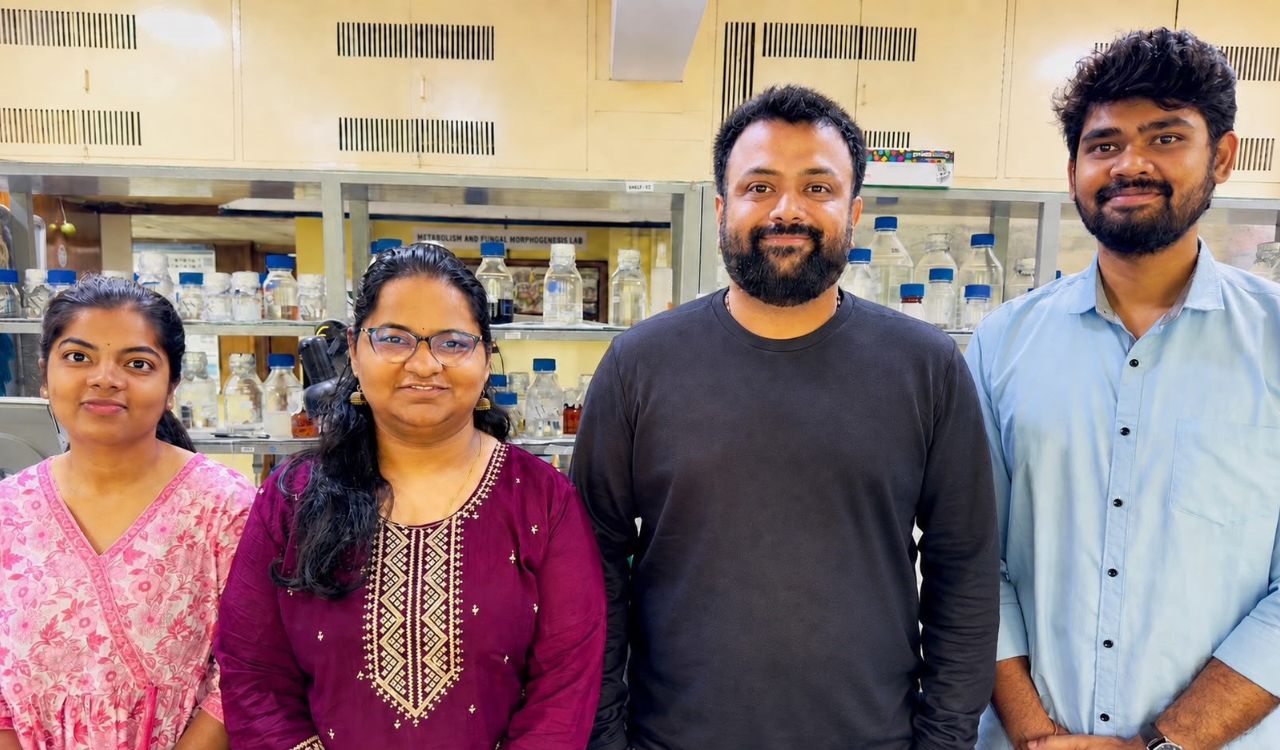
For the past five years, the CCMB, which formed the Alliance for Pathogen Surveillance and Innovations (APSI) with multiple other research and clinical institutions from various parts of the country, had developed protocols to detect pathogens such as SARS CoV-2 and influenza viruses as well as bacteria contributing to antimicrobial resistance, in wastewater.
In fact, during the peak Covid-19 pandemic, the CCMB has initiated the wastewater environmental surveillance programme to check for pathogens in the environment using wastewater from sewage treatment plants or open drains as sample sources.
The protocols formed by CCMB offer a foundation for providing early warning signs for known and emerging infectious disease agents via cost-effective measures of health. The protocols provide a comprehensive disease burden assessment and help in early prediction of outbreaks.
Its significance has been reported globally during the COVID-19 pandemic where it proved to be an invaluable tool in detection of the circulating SARS CoV-2 variants worldwide, a CCMB press release said.
The guideline document is a resource for public health authorities to expand the wastewater environmental surveillance programmes to detect several priority pathogens such as influenza, monkeypox, hepatitis A & E, rota, adeno and respiratory syncytial viruses, bacteria including Vibrio cholerae, Salmonella typhi and paratyphi as well as novel pathogens which may serve as potential pandemic threats.
“We hope that expanding the wastewater environmental surveillance programmes to these different pathogens will help in their effective management as has been possible for COVID-19,” said Dr. Vinay K Nandicoori, Director, CSIR-CCMB.

Related News