Climate Change: Key points of the UN assessment
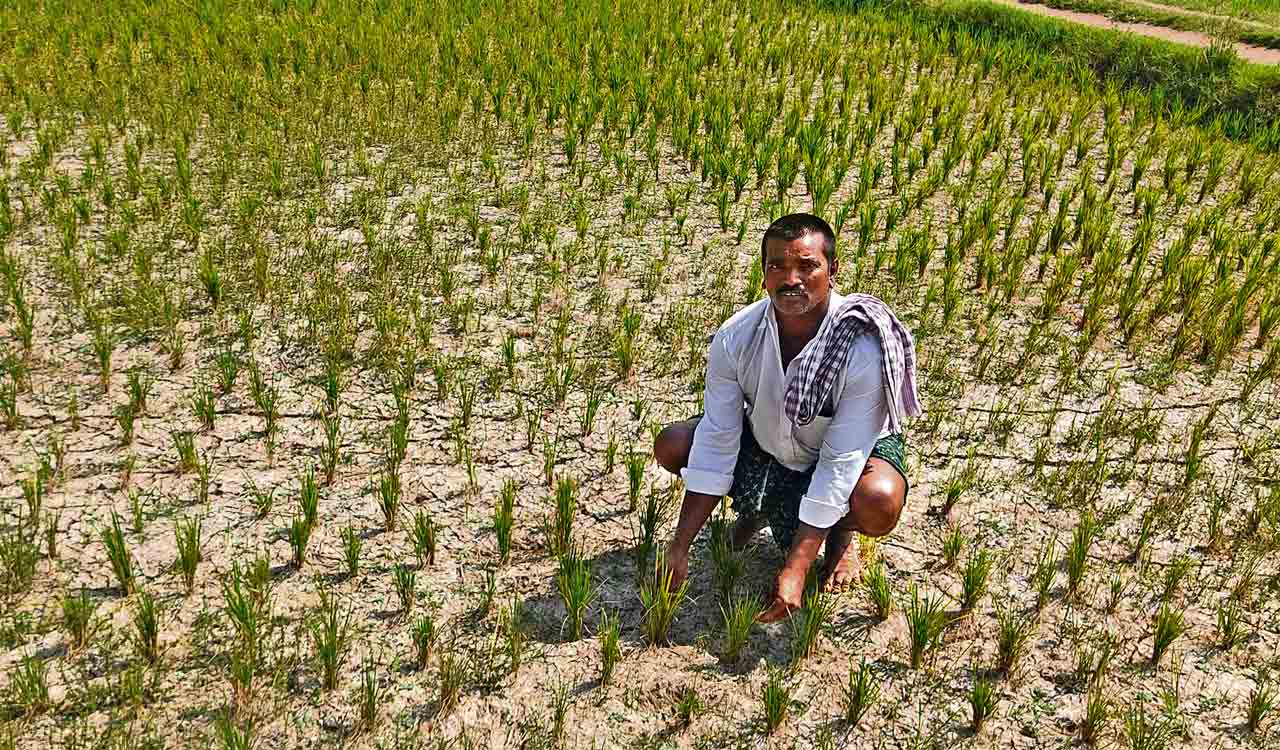
Of all the troubling news in the Intergovernmental Panel on Climate Change (IPCC) report released recently, one warning will surely generate the most discussion: under all scenarios examined, Earth is likely to reach the crucial 1.5℃ warming limit in the early 2030s. As the report makes clear, global warming of 1.5℃, and then 2℃, will be exceeded […]
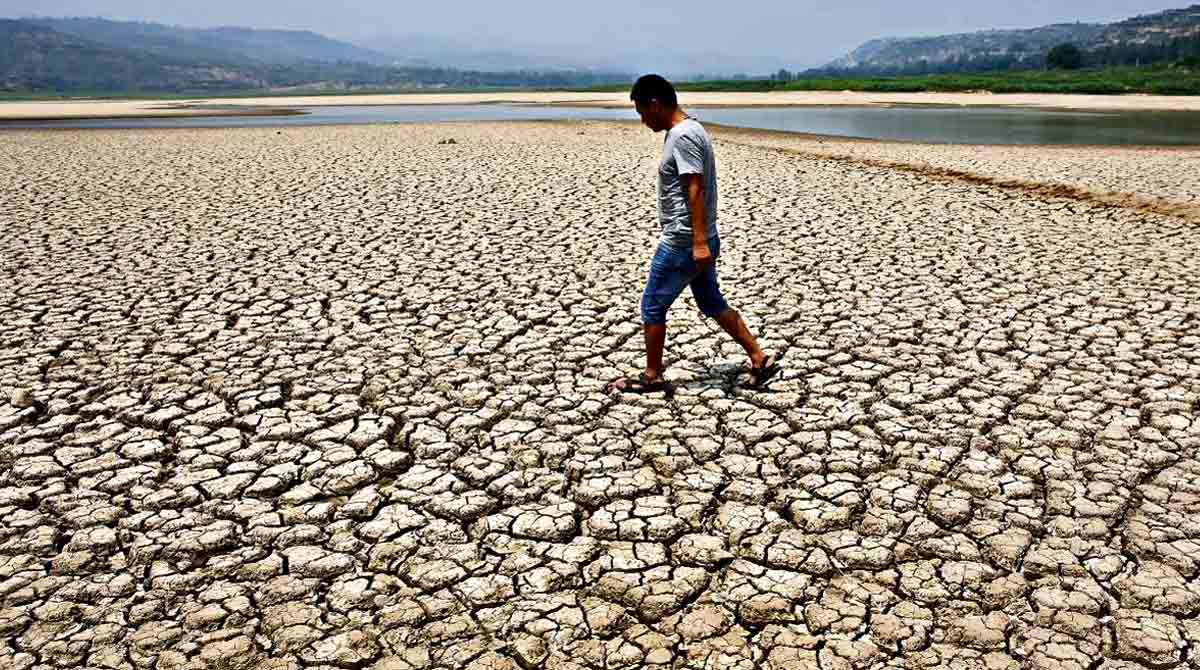


Of all the troubling news in the Intergovernmental Panel on Climate Change (IPCC) report released recently, one warning will surely generate the most discussion: under all scenarios examined, Earth is likely to reach the crucial 1.5℃ warming limit in the early 2030s.
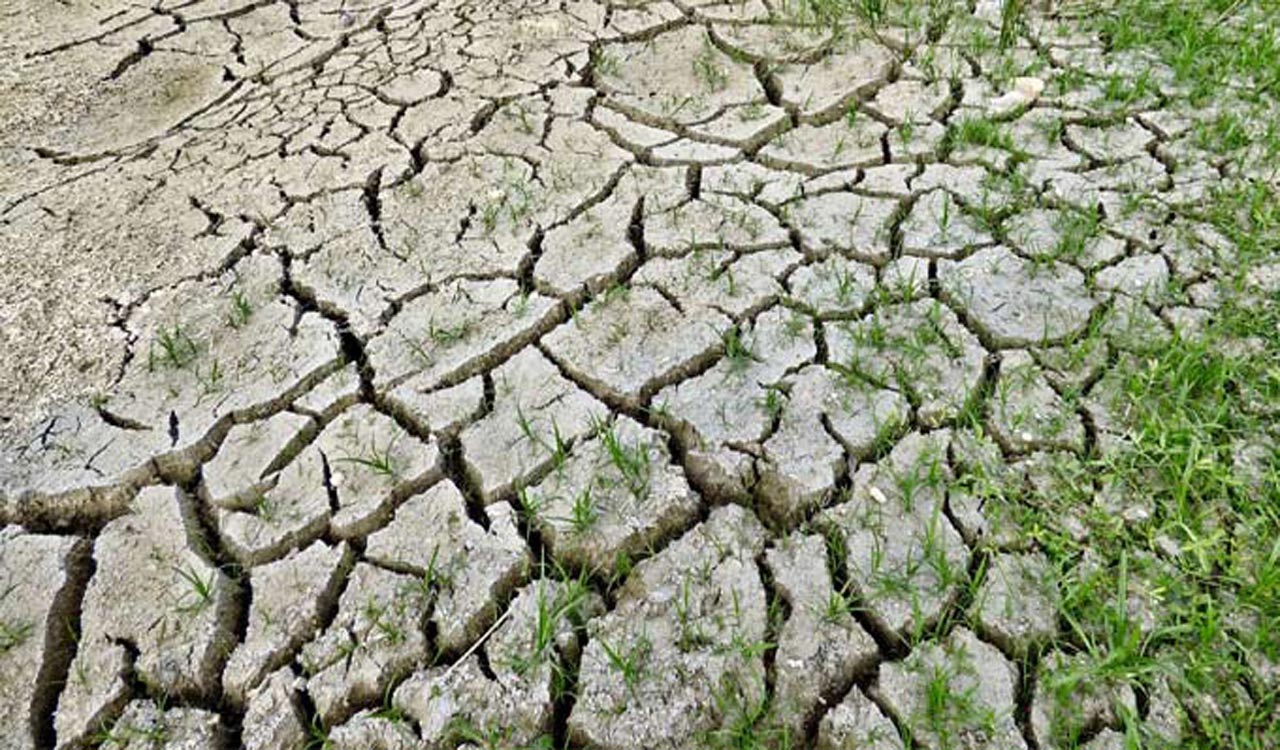
As the report makes clear, global warming of 1.5℃, and then 2℃, will be exceeded this century unless we make deep cuts to CO₂ and other greenhouse gas emissions in coming decades. Climate change and its consequences are already being felt. Beyond 1.5℃, the situation is likely to rapidly deteriorate
How 1.5℃ warming is measured
The warming is measured as a global average over 20 years, to account for natural variability in the system.
Before global average temperatures officially reach 1.5℃ warming, we can expect quite a few years will exceed that limit. In fact, global temperatures exceeded 1.5℃ warming during individual months at the peak of the 2015-16 El Niño.
The industrial era – and associated greenhouse gas emissions – started in the 1700s. But there is almost no observed climate data on land outside Europe before the mid-19th century.
According to the latest IPCC findings, Earth’s average temperature in the last decade was 1.09℃ warmer than the pre-industrial baseline. Obviously, this goes most of the way to 1.5℃ of warming. The IPCC says this warming is unequivocally the result of human influence.
The Arctic is warming up faster:
In the Arctic, the average temperature on the coldest days is expected to increase at about triple the rate of global warming across the planet as a whole
—
Carbon sinks are saturated:
The capacity of forests, soil and oceans to absorb CO2 produced by humans is likely to weaken with the continuation of greenhouse gas emissions
—
Extreme weather events:
There will be an unprecedented rise in heatwaves and torrential rains. The ashphalt-melting heatwaves in Canada (near 50°C) would be “virtually impossible” if not for climate change.
—
Rising seas and “irreversible” ice melting:
The changes could be irreversible “for centuries to millennia”, while the sea level could rise by up to 1 metre by 2100
Danger of methane:
The concentrations of CH4 ( Methane, the second greenhouse gas after CO2 with a greater warming power) in the atmosphere are at their highest level in 8,00,000 years
Breaking point: unknown
So-called turning points, such as the collapse of ice shelves, thawing of permafrost or transformation of the Amazon into savannah “cannot be excluded”
—
There might be some hope
While many of the report’s predictions paint a grim picture of humans’ impact on the planet and the consequences that will have going forward, the IPCC also found that so-called tipping points, like catastrophic ice sheet collapses and the abrupt slowdown of ocean currents, are low likelihood, though they cannot be ruled out.
Now you can get handpicked stories from Telangana Today on Telegram everyday. Click the link to subscribe.
Click to follow Telangana Today Facebook page and Twitter .

Related News