Congress designing Pharma City land into irreversible project
The Bharat Future City project, evolving from the erstwhile Pharma City plan, has sparked debate over its feasibility and long-term implications. Officials suggest its contractual and financial structure could make it difficult for future governments to scrap or alter it.


Hyderabad: The Congress government appears determined to transform the erstwhile Pharma City proposal into its ambitious Bharat Future City project, even as questions continue to be raised over the project’s feasibility, financial viability and long-term execution.
Amid the BRS declaring to scrap the project upon returning to power, officials indicated that the government is structuring the project in a manner that could make any future reversal practically impossible.
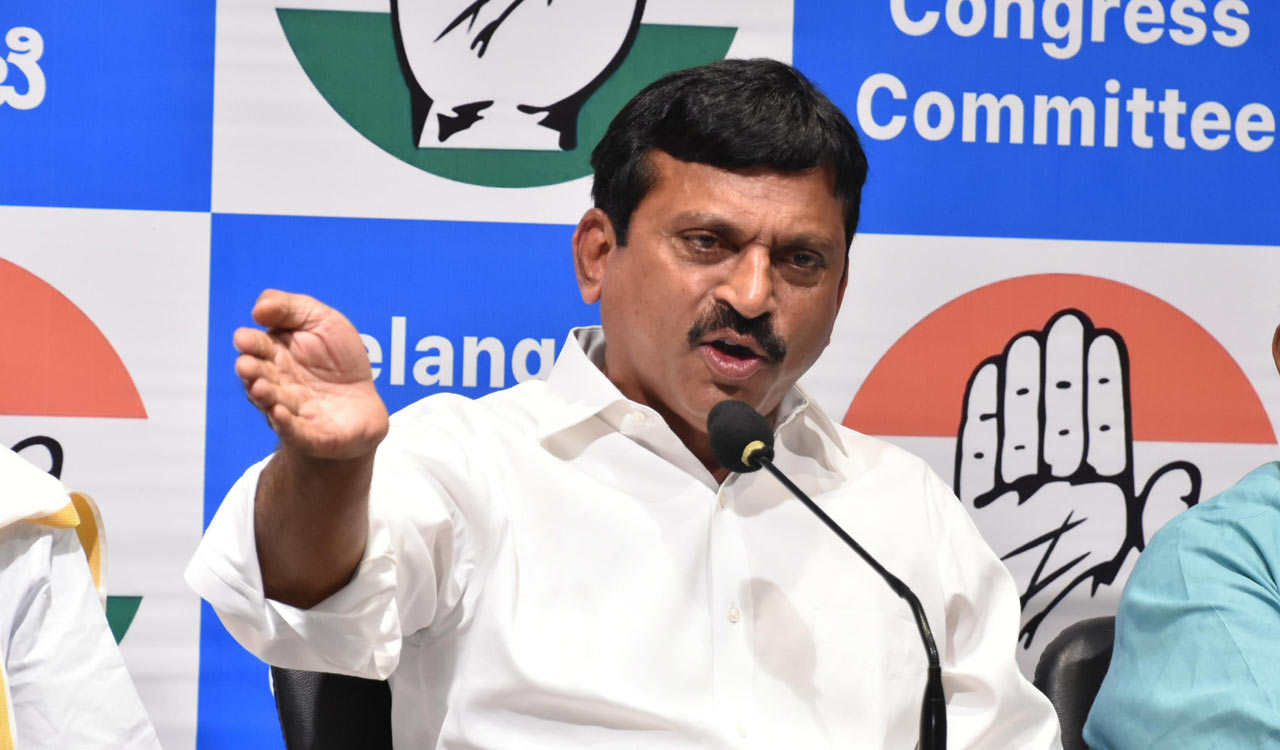
Revenue Minister Ponguleti Srinivasa Reddy recently made this position explicit, stating that cancelling Bharat Future City was not possible as lands were not being allotted free of cost and any rollback would require the government to refund the amounts collected.
His remarks have triggered fresh debate over whether the government is creating legal and financial obligations that would bind successive administrations. While the modalities are yet to be finalised, the political top brass is learnt to have given clear instructions to the official concerned in this regard and asked them to formulate rules accordingly.
The master plan for Bharat Future City is still under preparation, with six consultancy firms, including three from Singapore, competing to prepare the Vision and Comprehensive Master Plan 2047. The consultant selected by the government is expected to submit the blueprint within nine months for the 765 sq km project spread across seven mandals and 56 villages.
Officials familiar with the planning process said the government intends to allot land parcels to companies and institutions at prescribed rates. Accordingly, the officials concerned were reportedly asked to prepare agreements containing clauses that would require any future government cancelling such allotments to refund the consideration amount along with compensation if possible.
Given Telangana’s strained financial position, senior officials privately admitted that repaying such large sums, coupled with compensation liabilities, would become a massive financial burden on the State government. According to them, administrative rules are being framed to ensure that once allotments are made and development begins, the project cannot be scrapped in its entirety.
“Once the master plan is finalised and allotments are completed, the project itself cannot be rolled back. At best, individual allotments can be cancelled if companies fail to establish their units, and those parcels can only be reallocated to other investors. Even it could be difficult without legal intervention as the land is already sold but not leased or allotted at less price,” a senior TGIIC official said.
While governments routinely revise policies, Bharat Future City is being designed around contractual and financial commitments that could effectively outlive the present administration, making any future attempt to scrap or substantially alter the project both legally and fiscally challenging.

Related News