Critical minerals must drive sustainable development, India tells UN
India told the United Nations that critical energy transition minerals should promote sustainable development rather than inequality. It stressed national ownership, stronger global cooperation, resilient supply chains and support for developing countries through technology sharing, value addition and institutional capacity-building
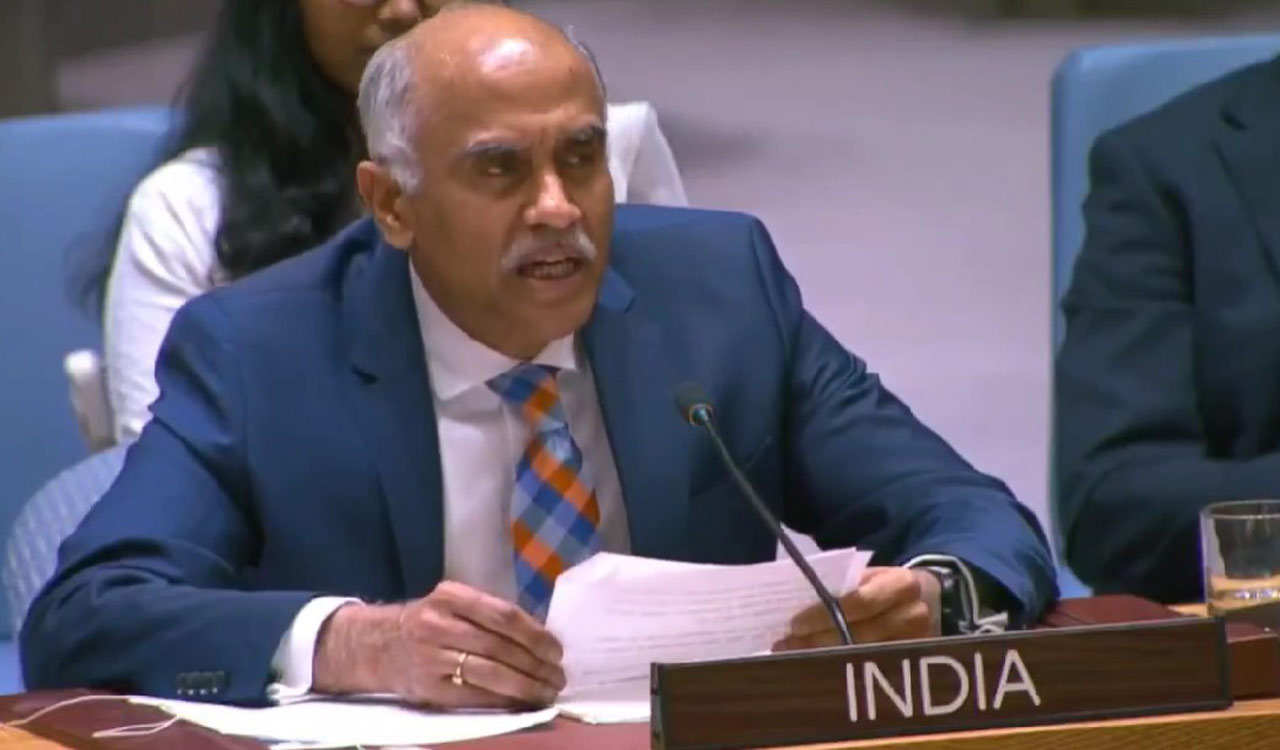


United Nations: India has said that critical energy transition minerals should become an engine for sustainable development, not another source of inequality, while emphasising that national ownership and resource sovereignty remain the foundation of global cooperation.
India’s Permanent Representative to the United Nations (UN), Ambassador Harish Parvathaneni, made these remarks on Tuesday while addressing the plenary segment of the High-Level Meeting on Critical Energy Transition Minerals.
India also called for the UN to support member states by strengthening technical cooperation, facilitating knowledge-sharing and leveraging existing institutional arrangements, while avoiding duplication of mandates.
“Critical minerals are indispensable for the clean energy transition, but for many developing countries, they are also an opportunity to accelerate industrialisation, create quality employment and strengthen domestic manufacturing,” said Parvathaneni.
“International cooperation must therefore enable countries to move towards greater value addition and resilient participation across global value chains,” he added.
He said that partnerships must foster mutually beneficial investment, technology sharing and skill-building to help developing nations scale up their processing, refining and manufacturing sectors.
“Critical energy transition minerals should become an engine for sustainable development, not another source of inequality,” Parvathaneni added.
He emphasised that India is prepared to collaborate with global partners to create resilient, transparent and diverse supply chains that foster shared prosperity and ensure a fair distribution of the transition’s benefits.
As a rapidly growing renewable energy market, India is securing its critical mineral supply chains through the National Critical Mineral Mission and international partnerships via Khanij Bidesh India Limited (KABIL), he said.
KABIL is a joint venture company formed by the Government of India to ensure the country’s mineral security and supply-side assurance of critical and strategic minerals.
Parvathaneni also said India’s active role in the UN Secretary-General’s Initiative on Critical Energy Transition Minerals underscores its commitment to global cooperation for a secure, sustainable and equitable energy transition.

Related News