CWC calls crucial Telangana-Maharashtra meeting on Tummidihatti barrage on September 1
The Central Water Commission will hold a meeting on September 1 to review technical and inter-State issues concerning the proposed Tummidihatti Barrage. Telangana seeks a height of 152 metres, citing water availability and power costs associated with pumping.


Hyderabad: The Central Water Commission (CWC) has convened a crucial meeting on September 1 in New Delhi to review technical and inter-State issues related to the proposed Tummidihatti Barrage on the River Pranahita. Senior officials from the Water Resources Departments of Telangana and Maharashtra have been invited to attend the meeting, which will be chaired by the CWC Chairman at Sewa Bhawan.
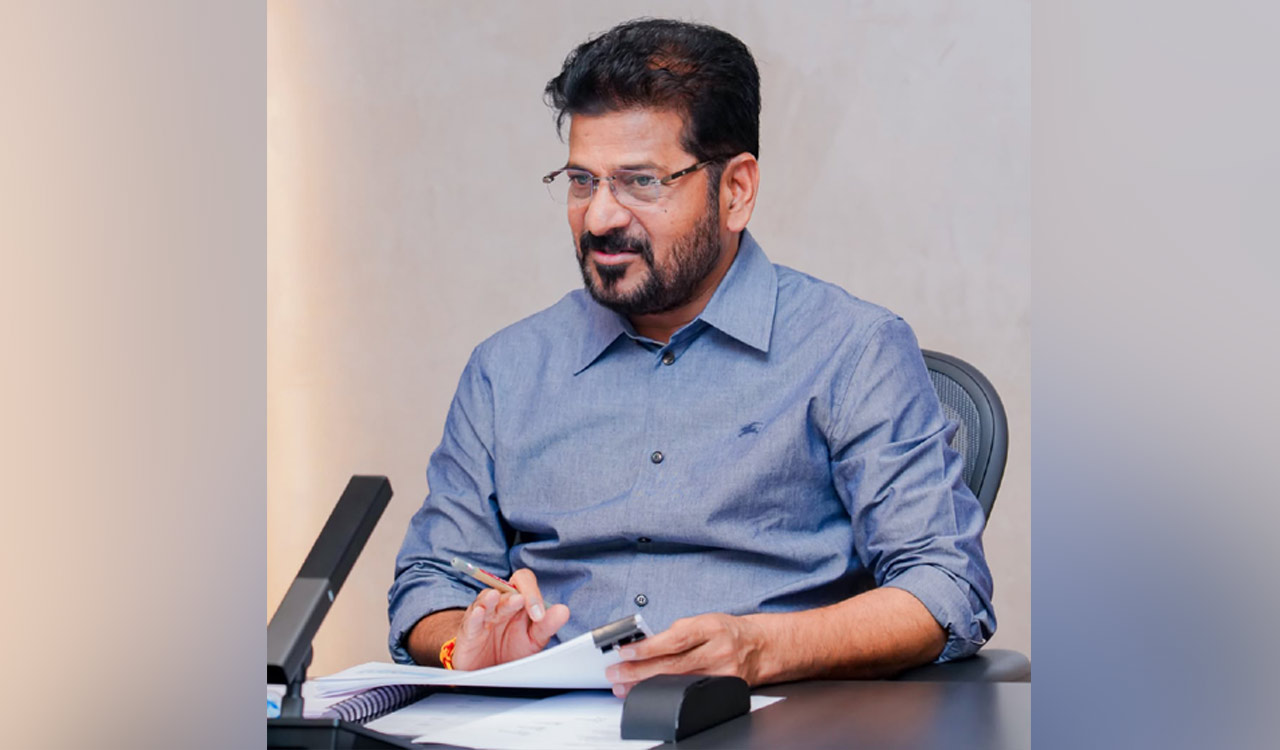
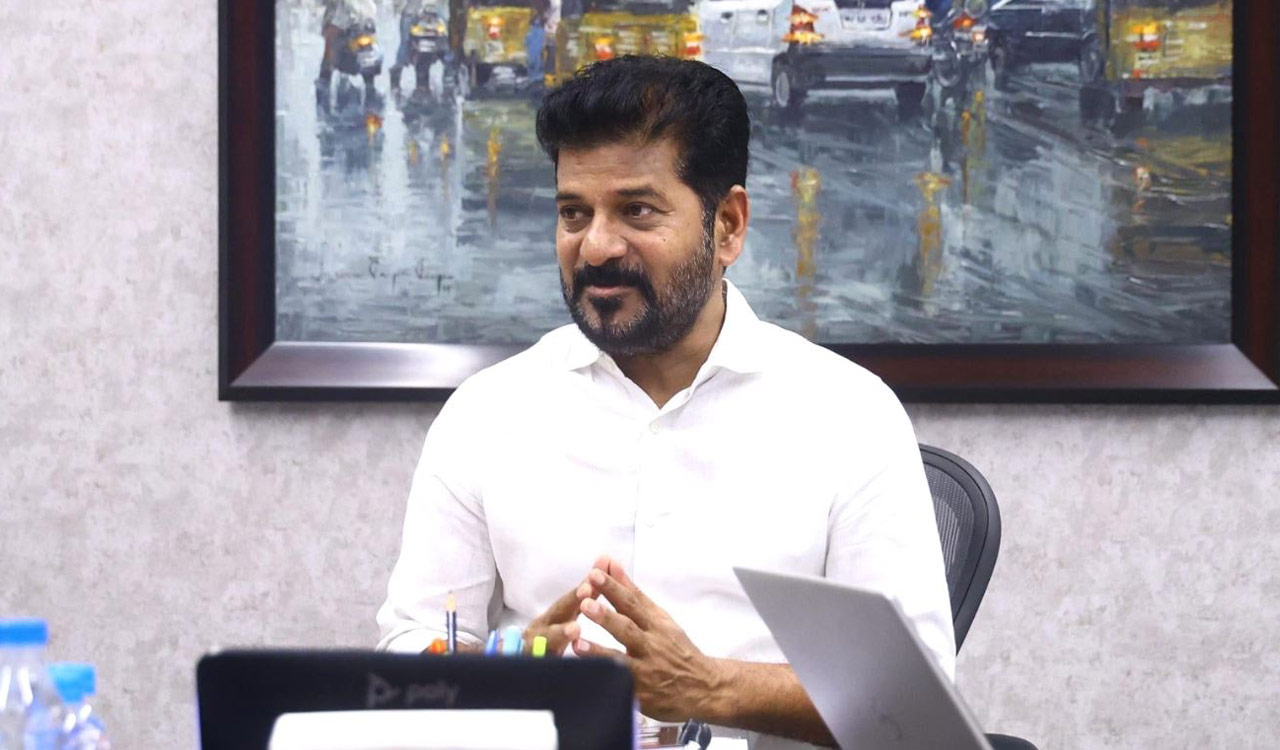
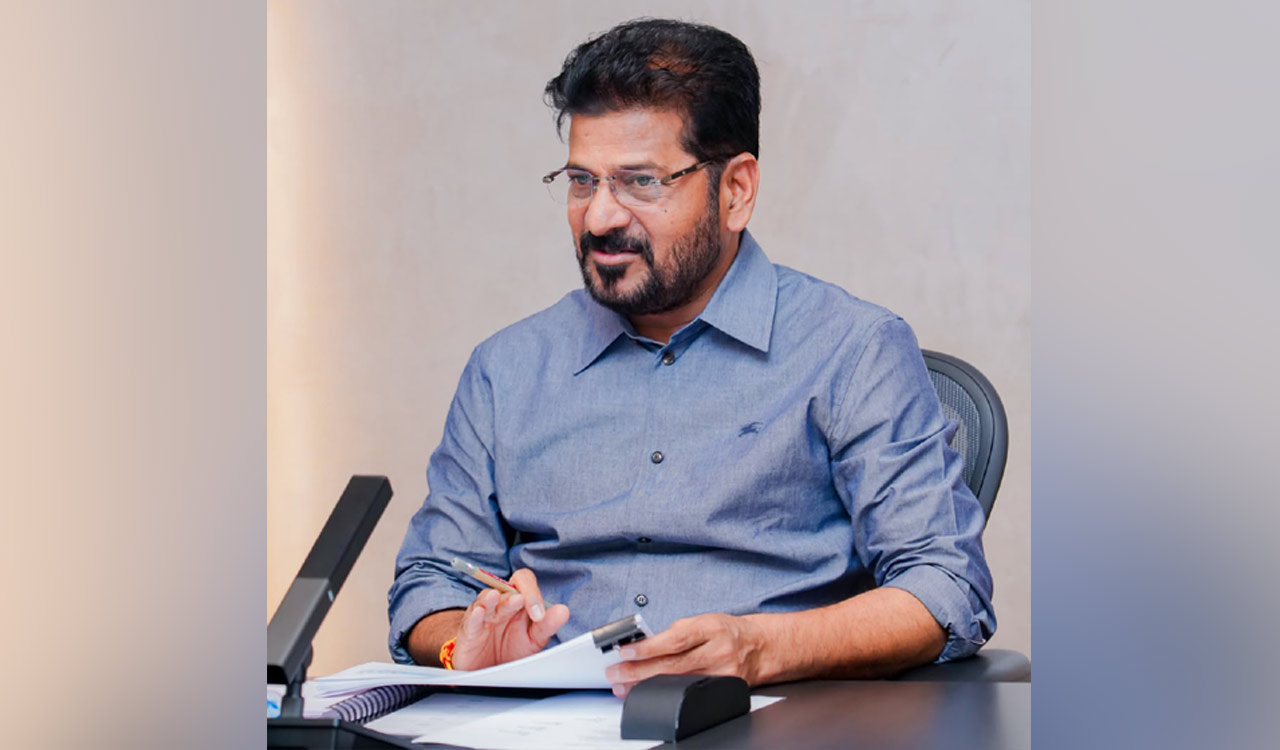
Chief Minister A Revanth Reddy had written to Maharashtra Chief Minister Devendra Fadnavis on May 26, requesting a meeting between the two States to arrive at a mutually acceptable solution on the Tummidihatti Barrage. He had also brought the issue to the attention of Prime Minister Narendra Modi.
The Prime Minister’s Office (PMO) forwarded the Chief Minister’s letter to the Ministry of Jal Shakti. Subsequently, Revanth Reddy wrote to Jal Shakti Minister CR Patil on August 5, seeking the Centre’s active intervention.
The Telangana government is seeking an agreement to construct the barrage at a height of 152 metres, instead of the 148 metres previously agreed upon by Maharashtra. The State has already informed the Centre that drawing the required volume of water through gravity would not be feasible at a height of 148 metres and that using large pumps would increase electricity costs. Telangana has argued that the barrage should be constructed in a manner that ensures long-term benefits without imposing an additional power cost on the State.
The government had earlier also brought to the Centre’s attention that, according to studies by the Central Water and Power Research Station (CWPRS), the additional submergence resulting from raising the water level would be mitigated.

Related News