Drowning: A forgotten epidemic
Drowning prevention should not be viewed solely as the responsibility of emergency responders but as a shared societal commitment


By Dr Kattamreddy Ananth Rupesh, Dr Anju Gopi
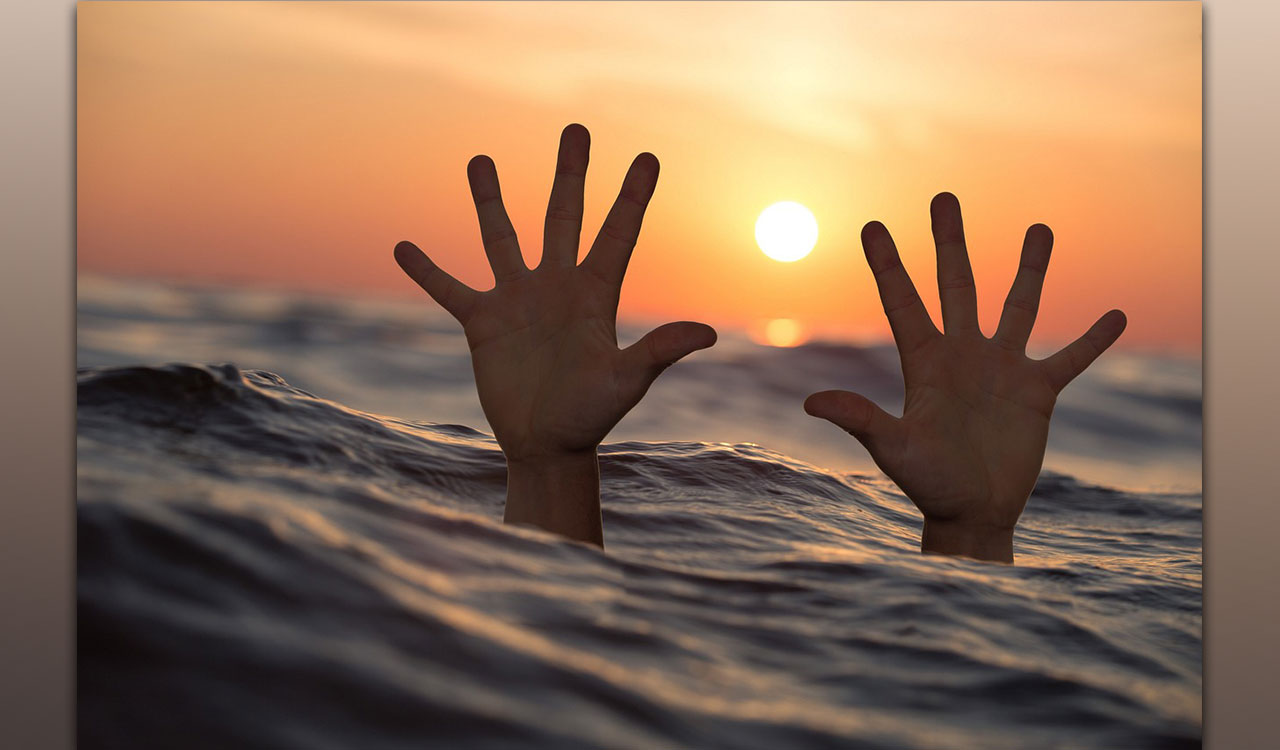
It is not uncommon to hear of people drowning in rivers, lakes, ponds, canals, wells, reservoirs, or other water bodies. News reports frequently describe children who wander away from home and are later found in nearby ponds or canals, individuals swept away during the monsoon or flash floods, and victims of boat capsizes. Every rainy season brings a predictable increase in drowning incidents across India. Drowning also occurs as a means of intentional self-harm, making it an important concern not only for public health but also for medico-legal practice. Yet, despite its frequency and devastating consequences, drowning remains one of the most overlooked and underestimated public health challenges.
Also Read
Globally, an estimated 300,000 people die from drowning each year, making it one of the leading causes of injury-related mortality worldwide. More than 90% of these deaths occur in low- and middle-income countries, disproportionately affecting children, young adults, and socioeconomically disadvantaged communities. Beyond its human toll, drowning is also a development issue, with some countries losing up to 3% of their GDP annually due to its impact. NCRB data shows that India records approximately 40,000–50,000 drowning deaths each year, including both accidental and suicidal drownings. This data indicates the immense but largely preventable burden of drowning in the country and its importance as both a public health and medico-legal issue.
Drowning Prevention Day
This year’s World Drowning Prevention Day, observed on 25 July, is being marked under the theme “Unite to Turn the Tide.” The theme is a powerful reminder that drowning prevention is not the responsibility of any single individual or agency but requires coordinated action from governments, healthcare professionals, educators, community leaders, parents, first responders, and civil society. It aligns with the WHO’s Global Strategy for Drowning Prevention, which calls for collective efforts to reduce global drowning deaths by 35% by 2035 through evidence-based interventions, stronger policies, safer aquatic environments, swimming and water-safety education, and improved rescue and resuscitation services. Every life saved is the result of many small actions taken together, reinforcing the message that while anyone can drown, no one should.
Indian Scenario
The epidemiology of drowning in India reflects the country’s unique geography, climate, occupational patterns, and socioeconomic realities. Unlike many high-income countries where recreational water activities account for a substantial proportion of drowning deaths, exposure to water in India is often an unavoidable part of daily life. Millions of people live in close proximity to rivers, ponds, canals, irrigation tanks, wells, reservoirs, and coastal waters, using them for bathing, washing, fishing, agriculture, transportation, and livelihood. Seasonal monsoon rains, flash floods, cyclones, and overflowing water bodies further amplify the risk, leading to predictable spikes in drowning deaths every year. Occupational groups such as fishermen, boat operators, sand miners, and disaster response personnel also face an increased risk because of prolonged exposure to hazardous aquatic environments.
Globally, an estimated 300,000 people die from drowning each year, making it one of the leading causes of injury-related mortality worldwide
Alongside these unavoidable exposures, a large proportion of drowning deaths arise from preventable environmental and systemic failures. Unprotected wells or open borewells, abandoned quarry pits, water-filled construction sites, and unfenced irrigation canals continue to pose hazards, particularly for children. Tourist destinations, beaches, waterfalls, rivers, and reservoirs frequently witness fatal incidents due to inadequate risk assessment, poor signage, the absence of trained lifeguards, overcrowding, alcohol use, and disregard for warning systems. Boat and ferry capsizing, especially during adverse weather or when vessels are overcrowded and safety regulations are poorly enforced, remains another important cause of mass drowning.
Rapid and unplanned urbanisation has created new drowning hazards in Indian cities. Poorly planned infrastructure, unprotected water bodies, waterlogged underpasses, open storm-water drains, and inadequately barricaded construction sites have led to preventable fatalities. Recent incidents in the National Capital Region, where vehicles plunged into inundated underpasses and water bodies following heavy rains, illustrate how deficiencies in urban planning and civic infrastructure can contribute to drowning deaths. These tragedies reinforce the need to integrate water safety into urban planning, disaster preparedness, and infrastructure development.
Preventive Paradigm
The risk of drowning varies according to the nature of the water hazard, the circumstances of exposure—whether occupational, recreational, domestic, or disaster-related—and individual vulnerabilities such as age, swimming ability, health status, socioeconomic conditions, and access to timely rescue. Recognising these diverse contexts is essential, as effective prevention strategies must be tailored to the specific risks faced by different populations rather than relying on a one-size-fits-all approach.
The recently launched WHO Global Strategy for Drowning Prevention marks a significant shift from reacting to drowning incidents to preventing them before they occur. The strategy outlines ten evidence-informed, scalable interventions that can be adapted to different countries and communities. These include promoting close supervision and safe play areas for children, expanding protective infrastructure such as barriers around water hazards, improving swimming, water-safety and self-rescue skills, training bystanders in safe rescue and cardiopulmonary resuscitation (CPR), reducing occupational exposure to drowning, integrating drowning prevention into disaster risk reduction, enforcing maritime and boating safety regulations, strengthening search and rescue and lifeguard services, and raising public awareness to encourage safer behaviours.
For India, where the circumstances surrounding drowning vary widely across regions, these interventions must be tailored to local needs. Ensuring barriers around wells, ponds and irrigation canals, providing swimming and water-safety education in schools, deploying trained lifeguards at beaches and tourist destinations, enforcing the use of life jackets on boats and ferries, and identifying and mitigating drowning “black spots” can substantially reduce mortality. Equally important are intersectoral collaboration involving the health, education, disaster management, tourism, transport, urban development and local government sectors, together with active community participation. Drowning prevention should not be viewed solely as the responsibility of emergency responders but as a shared societal commitment.
Every drowning death represents a preventable loss of life. India has taken an important step in the right direction with the Strategic Framework for Drowning Prevention, released by the Ministry of Health and Family Welfare in 2023, which advocates multisectoral collaboration, evidence-based interventions, stronger surveillance, public awareness, and national and state action plans. However, translating this vision into meaningful reductions in mortality requires action at the grassroots. Every State, district, municipality, panchayat, and civic administration should develop a context-specific drowning prevention plan based on local hazards. World Drowning Prevention Day is not merely an occasion for raising awareness—it is a call to action. Anyone can drown, but with coordinated and sustained efforts, no one should.
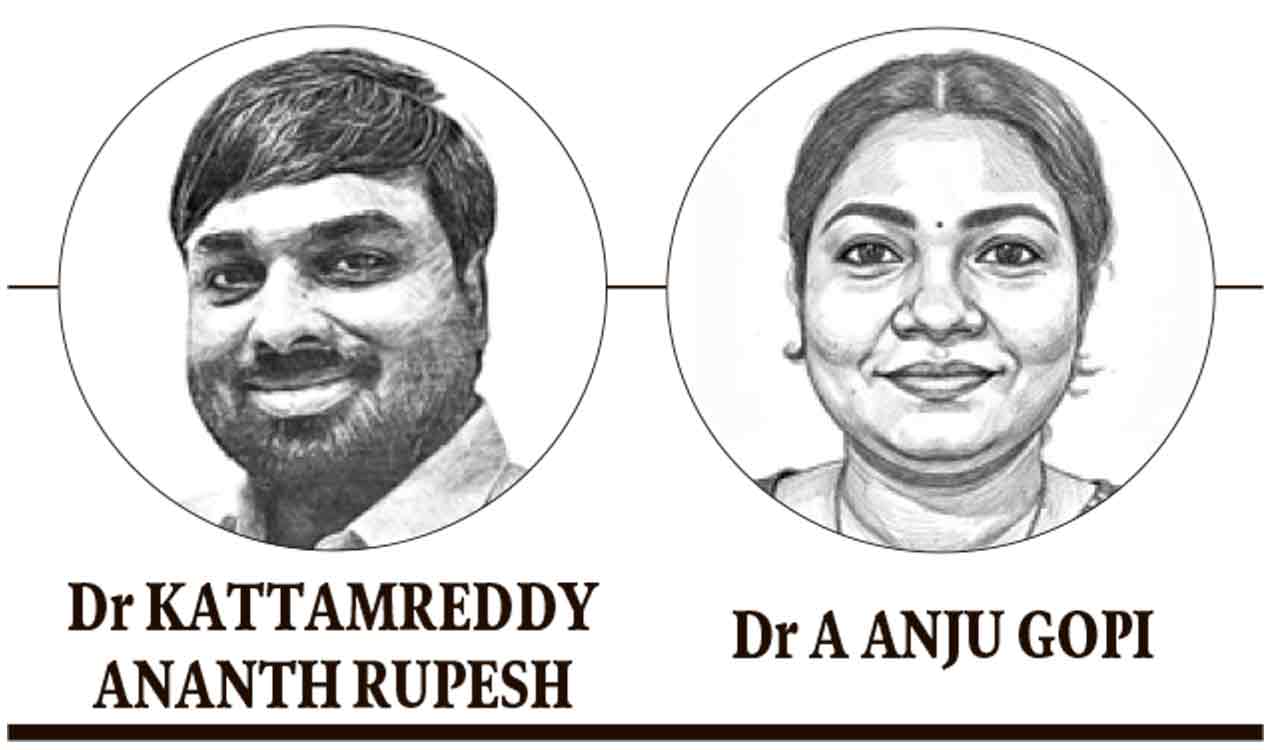
(The authors are faculty members, Department of Forensic Medicine, Siddhartha Medical College, Vijayawada)

Related News