Editorial: 18th BRICS summit—diplomatic challenges ahead for India
India faces a diplomatic paradox: it wants BRICS to become a stronger voice for the Global South without allowing it to become an anti-US/anti-Western bloc dominated by China and Russia
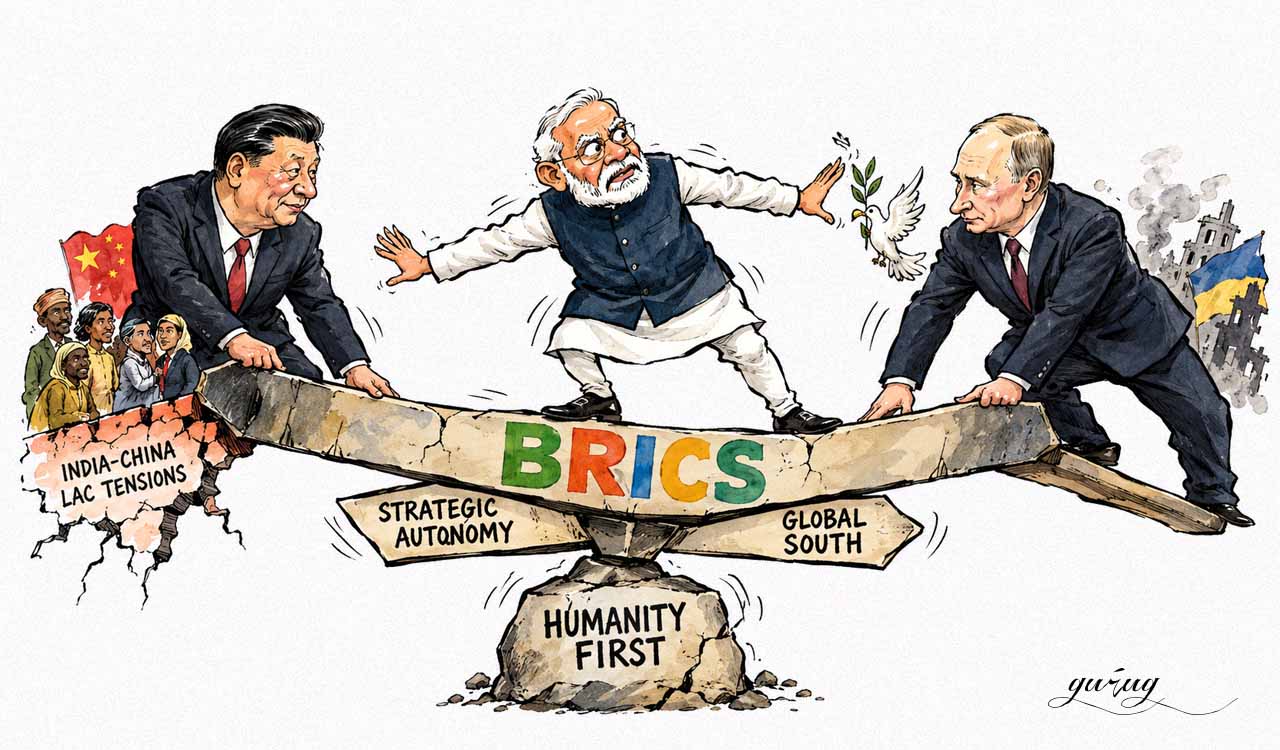


India is hosting the 18th BRICS summit in New Delhi over the weekend at a time when the global geopolitical environment is turbulent and unpredictable. A set of competing objectives will test the country’s diplomatic skills amid the extraordinary buzz surrounding the potential bilateral meetings that Prime Minister Narendra Modi is scheduled to have with Chinese President Xi Jinping and Russian President Vladimir Putin on the sidelines of the two-day Summit. This will be Xi’s first trip to India in seven years and comes against the backdrop of a gradual thaw in ties between the two countries after tensions along the Line of Actual Control (LAC) erupted in 2020. India and China have recently tried to stabilise their relationship, as military tensions eased following the 2024 patrolling agreement and economic contacts began to recover. Yet mutual distrust remains substantial. Investment curbs, technology restrictions and customs frictions still shadow the relationship. For Beijing, BRICS is an important vehicle for increasing the influence of the Global South and challenging what it sees as excessive Western dominance. For India, the grouping is useful because it lets New Delhi maintain strategic autonomy without joining a China-led bloc. These two objectives overlap. Another important task before India is to keep the Ukraine peace process moving. Modi is expected to reiterate his by-now-familiar peace message during his meeting with Putin. India has been pushing for a negotiated settlement to end the war.
When Modi met Putin in Bishkek on the sidelines of the Shanghai Cooperation Organisation (SCO) summit recently, he publicly repeated the counsel he has long offered Russia’s leader. Presiding over the 18th summit, India faces a diplomatic paradox: it wants BRICS to become a stronger voice for the Global South without allowing it to become an anti-US/anti-Western bloc dominated by China and Russia. India’s official theme—“Building for Resilience, Innovation, Cooperation and Sustainability”, under the broader rubric of “Humanity First”—is significant because it attempts to pull BRICS back towards development and away from geopolitical confrontation. The heterogeneous nature of the grouping poses another big challenge. The organisation now has 11 full members and an expanding roster of partner countries —with very different strategic interests, including China, India, Russia, Iran, Saudi Arabia, the UAE, Egypt, Ethiopia, and Indonesia. The result is that agreement on geopolitical questions is becoming increasingly difficult. India needs China inside BRICS for the organisation to have global weight. Yet China is simultaneously India’s principal strategic competitor in Asia. The border remains unresolved. There are continuing questions about Chinese economic and strategic influence in India’s neighbourhood. New Delhi also has concerns about Chinese dominance of critical supply chains and manufacturing. India, therefore, has to pursue two apparently contradictory objectives simultaneously: prevent another border crisis and expand economic engagement where it serves Indian interests.
Also Read

Related News