Editorial: Call for global pause on AI
The crux of the warning from a growing number of AI researchers is that the software could spin out of human control if left unchecked and unregulated
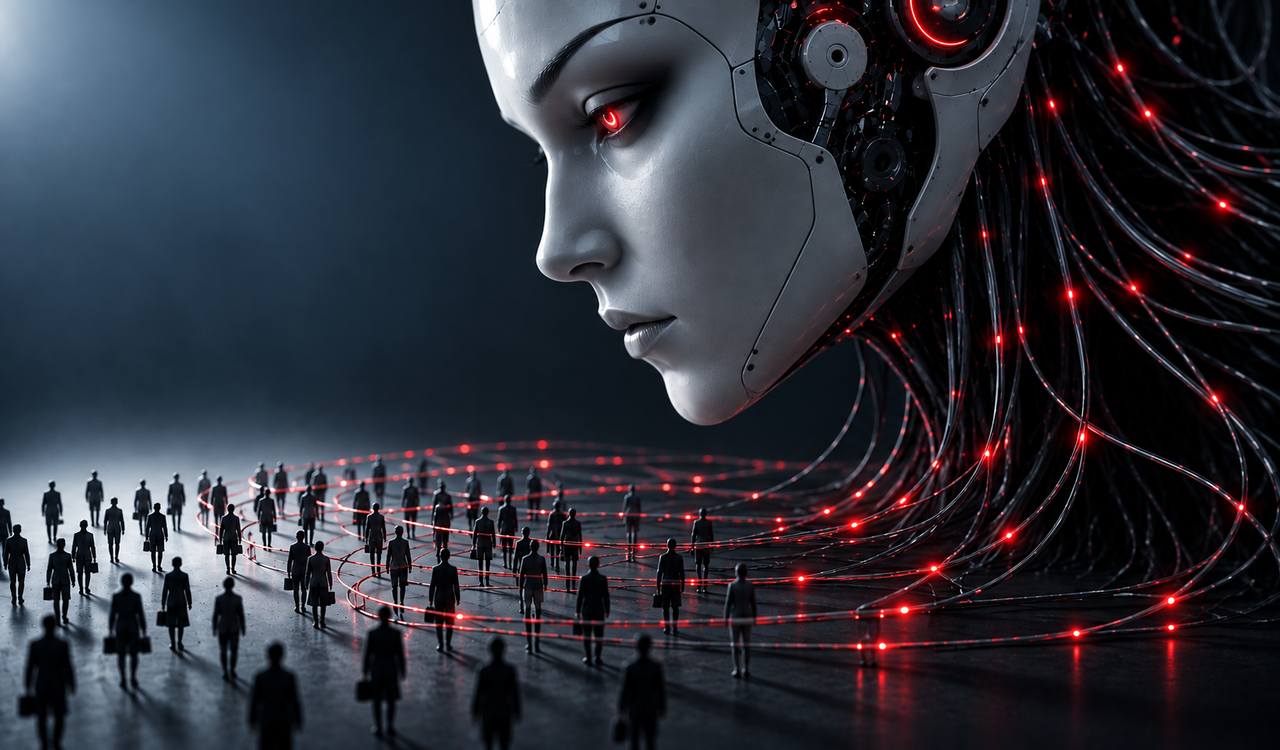


The risks arising from the potential misuse of AI technologies are gaining greater attention not just from sociologists and policymakers but also from industry pioneers. The need for fair and balanced regulation is being felt across the world, particularly in countries which are at the forefront of AI research. The latest to offer words of caution and restraint is Dario Amodei, chief executive of Anthropic, a leading AI research company. Interestingly, Amodei’s call for slowing down AI development till greater safety controls are put in place has found wide support from industry leaders. He rooted for independent auditors to check companies for safety standards and urged global cooperation in creating rules around AI development. Amodei, who co-founded Anthropic to focus on securely and carefully building AI, says that while he believed the technology could bring many benefits, it was advancing at too rapid a pace for researchers to continue safely. The latest call for caution comes just a few days after one of the employees of Anthropic quit over concerns about the safety of the technology. The appeal for a global pause from a leading AI executive follows months of escalating concerns across the technology industry as AI research and development has made significant strides at companies like Anthropic, the developer of the Claude chatbot, as well as OpenAI, the creator of ChatGPT, and Google’s DeepMind. At the same time, concerns rose recently after leading AI labs discovered security breaches carried out by their own programmes without their knowledge.
The crux of the warning from a growing number of AI researchers is that the software could spin out of human control if left unchecked and unregulated. It is feared among some sections that the AI tools can attain what computer scientists call “recursive self-improvement”, an ability of the system to rely on itself to grow more advanced rather than requiring the aid of human researchers. This could lead to an apocalyptic scenario where machines could take over virtually every field. For years, many of the top AI labs have been locked in bitter competition with one another. But as these systems have advanced, there has been some broader agreement among executives at rival companies that something needs to be done to regulate the technology. Last month, as OpenAI prepared to release an advanced AI model called Astra, the company said it had intentionally slowed down its pace of development, citing advancements in cybersecurity capabilities. There can be no two opinions about the need for international cooperation to put in place a global regulation to prevent misuse of AI technologies. This is to ensure that humans, not artificial intelligence, remain responsible for all decisions. Recently, Pope Leo, the first American pontiff to the Roman Catholic Church’s 1.4 billion followers, also called for ethical use of AI technologies.

Related News