Editorial: Crossing the danger mark
Extreme weather events have been playing havoc across the world. Sea surface temperatures have hit record highs. Extreme temperatures during the year fuelled widespread heatwaves, wildfires and floods



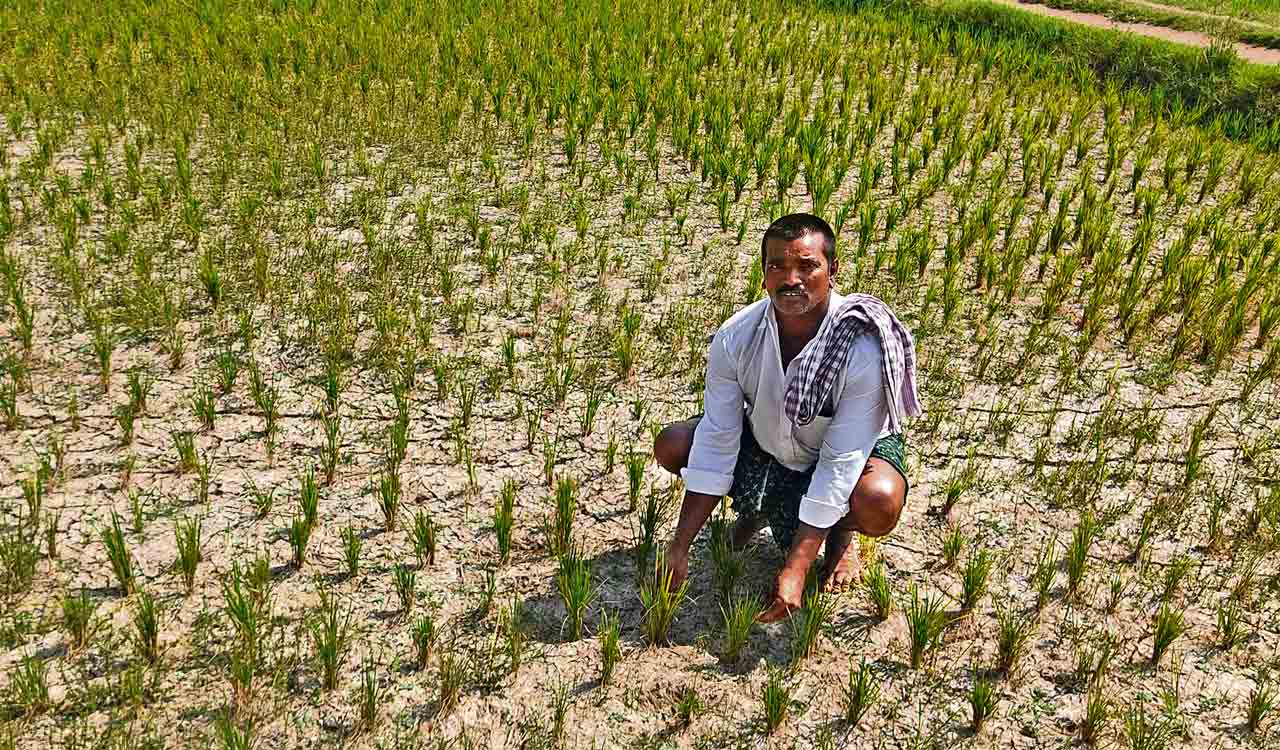
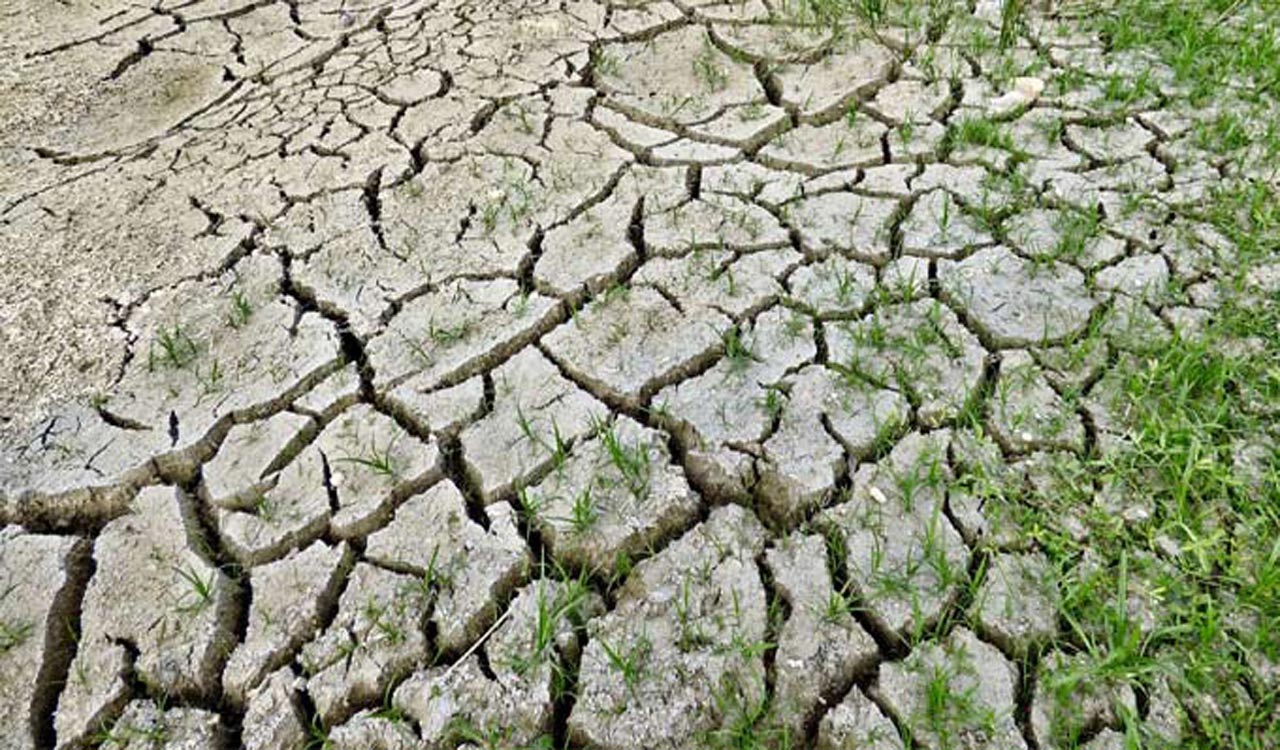
It’s a wake-up call for the world. For the first time, the year 2024 saw global temperatures cross the 1.5 degrees Celsius threshold — a key marker in the Paris Agreement aimed at limiting global warming. When the average temperatures exceed 1.5 degrees Celsius above pre-industrial levels, it spells danger for the planet. The signs are there for everyone to see. Extreme weather events have been playing havoc across the world. Sea surface temperatures have hit record highs, while melting of sea ice in both the Arctic and Antarctic have added to the alarming trends. Extreme temperatures during the year fuelled widespread heatwaves, wildfires and floods, particularly in Southern Europe. Countries like Italy, France and Spain endured prolonged heat waves, while Greece battled nearly 9,500 wildfires. These extreme conditions significantly strained public health systems and prompted large-scale evacuations. Flooding in Spain and Germany caused extensive economic damage and displaced thousands. In India too, the intensity of heat waves, increasing year after year, is a grim reminder of the dangers of climate change, a result of the unbridled exploitation of natural resources like coal and other fossil fuels. According to the World Weather Attribution’s (WWA’s) annual report, the record global temperatures of 2024 directly intensified rainfall events, with 15 out of 16 floods studied linked to climate change. The report also revealed that climate-related disasters during the year claimed at least 3,700 lives, displaced millions, and caused catastrophic damage to ecosystems. This underscores the urgent need for decisive and immediate action to reduce emissions.
The days of mere rhetoric are over. Global leaders must now deliver on pledges made over the past decade. Nations cannot afford to remain complacent about targets on transitioning to renewable energy and phasing out fossil fuels. While the path forward is undoubtedly challenging, it is also an opportunity to build a more resilient, equitable and sustainable world. Developed nations, in particular, bear a historical responsibility to lead the charge, both through their own transitions and by supporting vulnerable countries in adapting to climate impacts. Critically, the private sector also has a pivotal role to play. Industries must invest in green technologies, and financial institutions must align their portfolios with sustainable practices. By acting collectively and with urgency, we can mitigate the worst impacts of climate change. However, the recent global climate summit — Conference of Parties (COP29) held at Baku — came as a disappointment because of the inadequate response of the wealthy nations to the pressing issue of climate finance. The developed countries’ offer of $300 billion in annual climate aid for developing countries by 2035 was too little and too late. The events of 2024 should serve as a wake-up call for governments, businesses and individuals alike. The window to secure a safe future is rapidly closing. The choices we make today will decide the fate of the planet tomorrow.
Also Read

Related News