Editorial: Europe’s autumn of unrest
While triggers vary across Italy, Spain, Portugal and Albania, high fuel and energy costs are fuelling unrest, with upcoming elections adding to political tensions
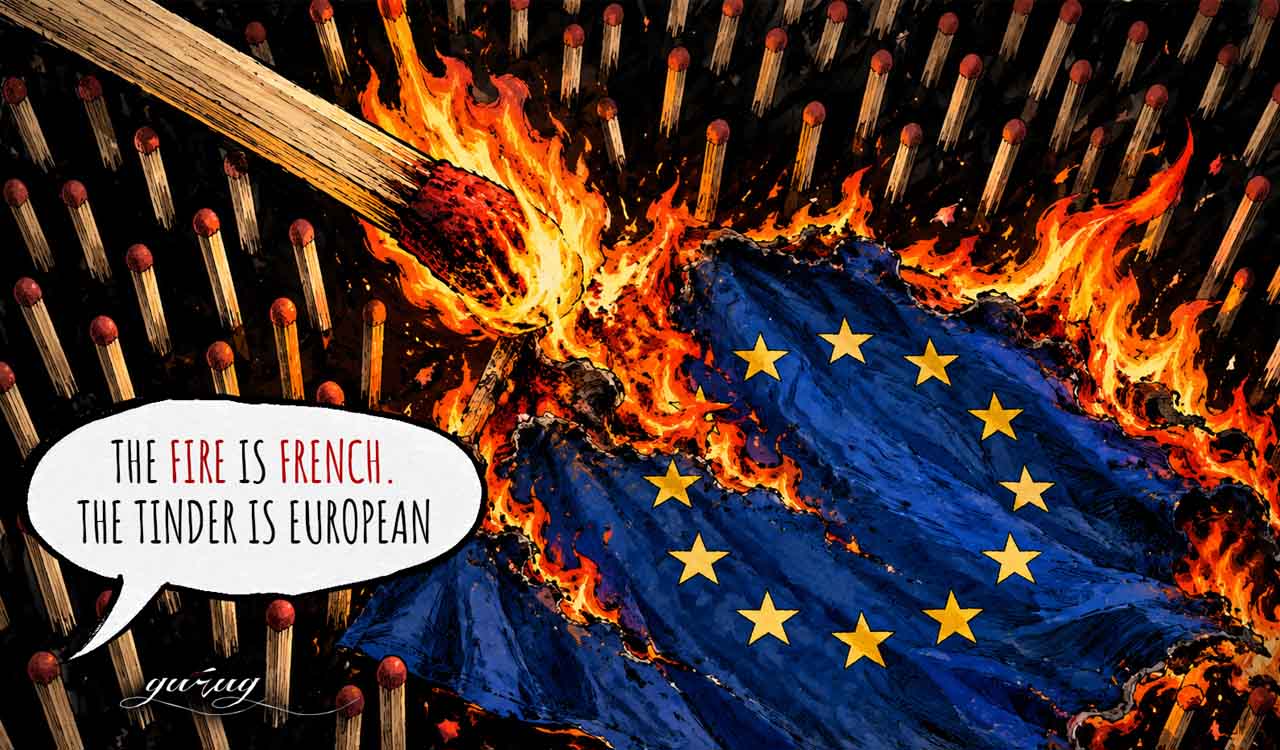


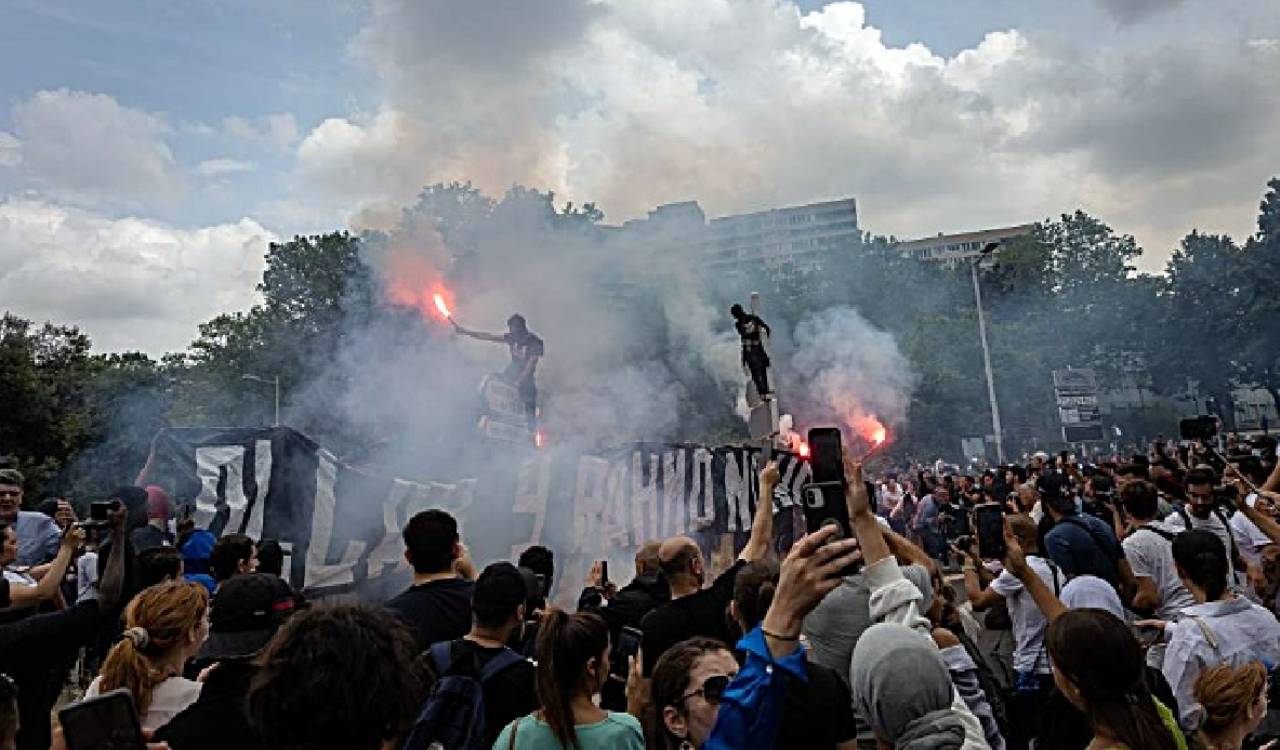
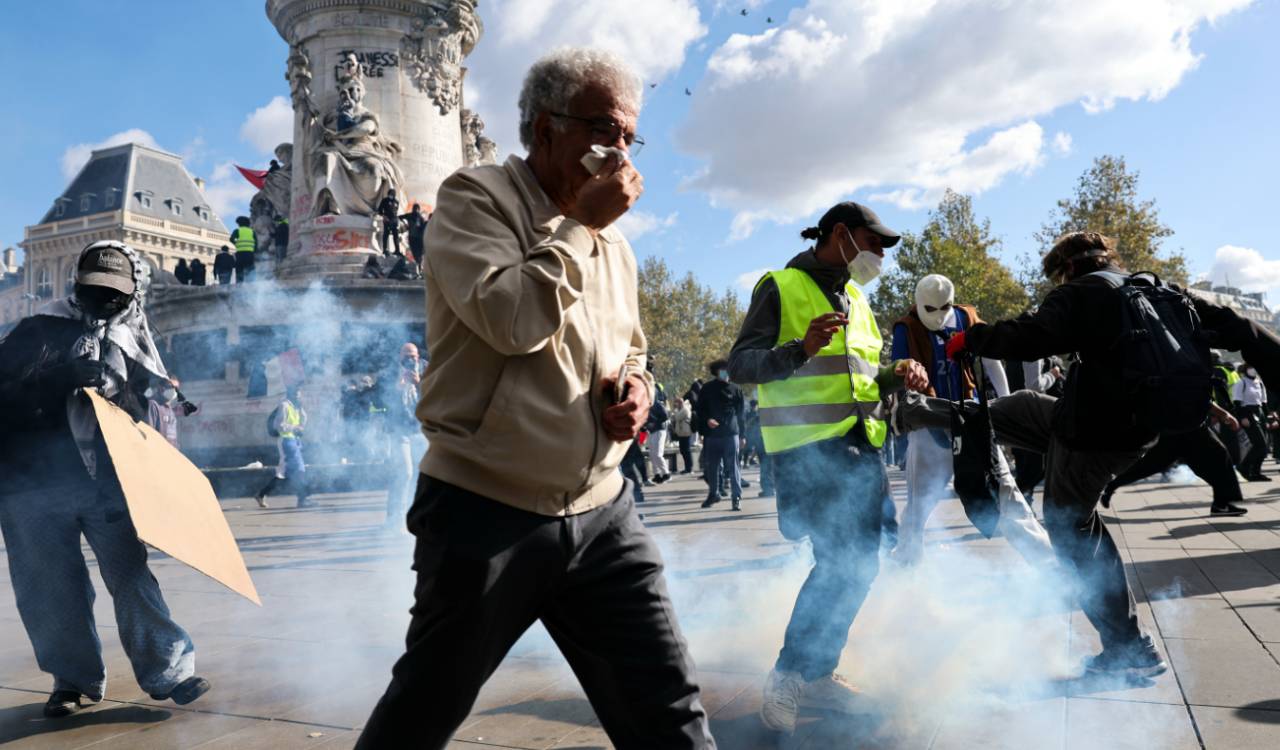
Across Europe, particularly in France, there is a clear pattern of economic anxiety turning into a mass upsurge that is fast spinning out of control. France is at the epicentre of the most widespread social unrest seen in decades. What began in late September as localised blockades by high school students in the Paris region over crumbling infrastructure and teacher shortages soon snowballed into a national crisis. Public resentment over rising cost of living, declining public services and massive unemployment has created a perfect storm in a country that is steeped in debt and stagnant economic growth. Waves of mass protests are sweeping other European countries too. Spain, Portugal, Belgium, Italy, Albania, Greece and Ireland are facing unrest to varying degrees. France, Europe’s second largest economy and one of the five permanent members of the United Nations Security Council, is virtually burning as violent protesters unleash some of the worst episodes of vandalism in French history. Against a backdrop of economic stagnation and a tradition of popular protest, it has witnessed escalating violence and looting. Violent fringe groups targeted public buildings, looted luxury boutiques and supermarkets and attacked police vehicles and officers. Luxury retail stores, including outlets of Apple, Louis Vuitton, Hermès and Rolex, have been targeted by looters as violent protests over the cost of living and government spending have erupted across France. Demonstrators have torched cars, vandalised buildings and clashed with riot police, leaving several cities grappling with disorder. In Paris, masked demonstrators have vandalised shops and restaurants, while burning barricades and clashes with security forces added to the unrest.
Against the backdrop of a fragmented parliament and mounting pressure ahead of the upcoming presidential election cycle, the protests have also become a vehicle for challenging President Emmanuel Macron’s administration. The scale of the violence has left both policymakers and observers around the world stunned. With the next presidential elections just six months away, and the country deeply divided between the far right and the far left, there are fears that the protests and violence could recur. The country is already in campaign mode ahead of the April elections, with far-right candidate Marine Le Pen leading the polls. She has positioned herself as a staunch law-and-order candidate while blaming the left for the chaos. Labour unions have already called for mass demonstrations on November 5 to protest the proposed budget cuts and tax measures. This is an acid test for the ruling dispensation. Although the triggers may vary across Italy, Spain, Portugal and Albania, high fuel and energy costs underpin the unrest in each case. Adding fuel to the fire is the intense election cycle in the coming months. High-stakes elections are scheduled in Spain, France, Italy, Poland and Greece amid the growing influence of far-right and anti-immigrant movements. If France cannot contain the unrest soon, the instability risks spilling across borders.
Also Read

Related News