Editorial: Warning labels: SC’s timely intervention
Warning labels on packaged foods can empower consumers, protect children and push manufacturers towards healthier products
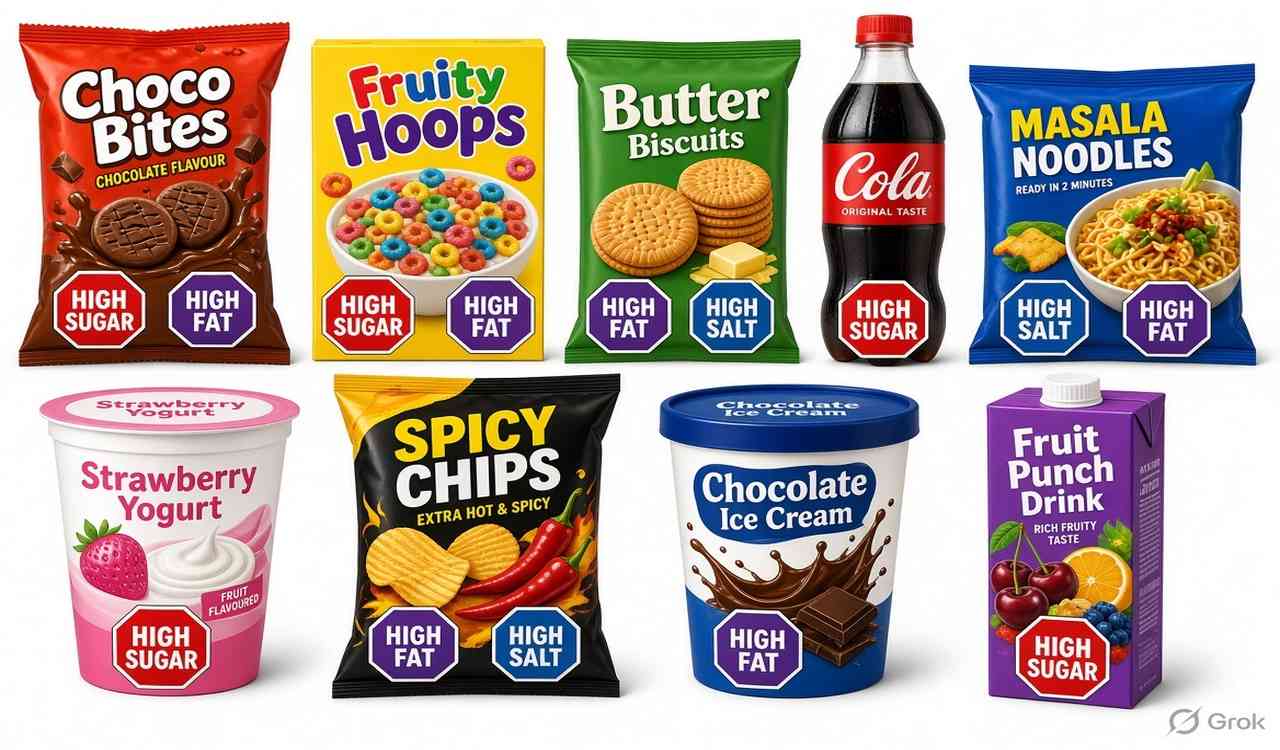


An alarming rise in non-communicable diseases in India, such as diabetes and cardiovascular diseases, is mainly attributed to growing consumption of highly processed foods that contain sugars and fats. Of particular concern are the growing instances of childhood obesity and diabetes because of the easy availability of sugary snacks and soft drinks. Packaged and ultra-processed foods have become increasingly embedded in the diets of children and young adults. Their ready availability and easy access make the problem even more alarming. Against this backdrop, the Supreme Court’s push for prominent warning labels on packaged foods is a welcome intervention that could go a long way toward raising public health awareness. By directing the Food Safety and Standards Authority of India (FSSAI) to introduce separate red warnings for products high in sugar, salt and saturated fat, the apex court has put consumers’ right to know ahead of corporate convenience. It has also exposed the regulator’s prolonged failure to act decisively. For years, the FSSAI has vacillated between different labelling proposals, including a star-rating system that critics maintained could confuse consumers rather than alert them to health risks. Today, the information consumers need most is often buried in the nutrition table on the back of a packet. It assumes consumers will read small print, understand serving sizes, and calculate how much sugar, sodium, or saturated fat they actually consume. Most do not. The proposed red warning symbols are a sensible step because they make nutritional risks immediately visible instead of burying them in fine print.
Consumers should not need specialist knowledge or time to decipher complicated nutritional tables before making everyday food choices. A sustained nutrition-literacy campaign through schools, healthcare institutions, and social media is needed, with simple explanations in regional languages. Children, in particular, should be taught to distinguish nutritional information from persuasive marketing. The labelling regime must also guard against industry influence. Scientific evidence should determine thresholds and exemptions, while misleading health claims and aggressive marketing of unhealthy foods to children require stricter scrutiny. The country’s growing burden of obesity, diabetes, hypertension and cardiovascular disease makes prevention imperative. Front-of-pack warnings can help consumers make better choices and encourage manufacturers to reformulate products. Warning labels must convey complex nutritional information through a simple visual signal at the point of purchase. Meanwhile, consumption of ultra-processed foods has risen sharply. Children and young adults are particularly vulnerable to aggressive marketing of sugary drinks, packaged snacks and ready-to-eat products. The industry’s commercial interests cannot take precedence over public health. However, the FSSAI must set scientifically sound thresholds for sugar, saturated fat, and salt, resist industry pressure, and ensure strict compliance. Manufacturers should not be allowed to exploit exemptions, dilute warnings, or replace harmful ingredients with equally questionable additives. Advertising aimed at children also needs closer scrutiny. India cannot afford another round of regulatory procrastination. Warning labels can empower consumers to make informed choices.
Also Read

Related News